






























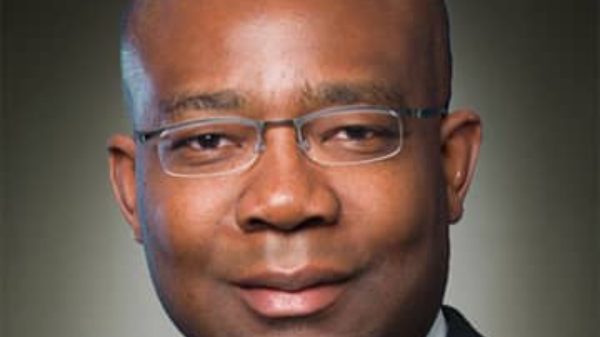





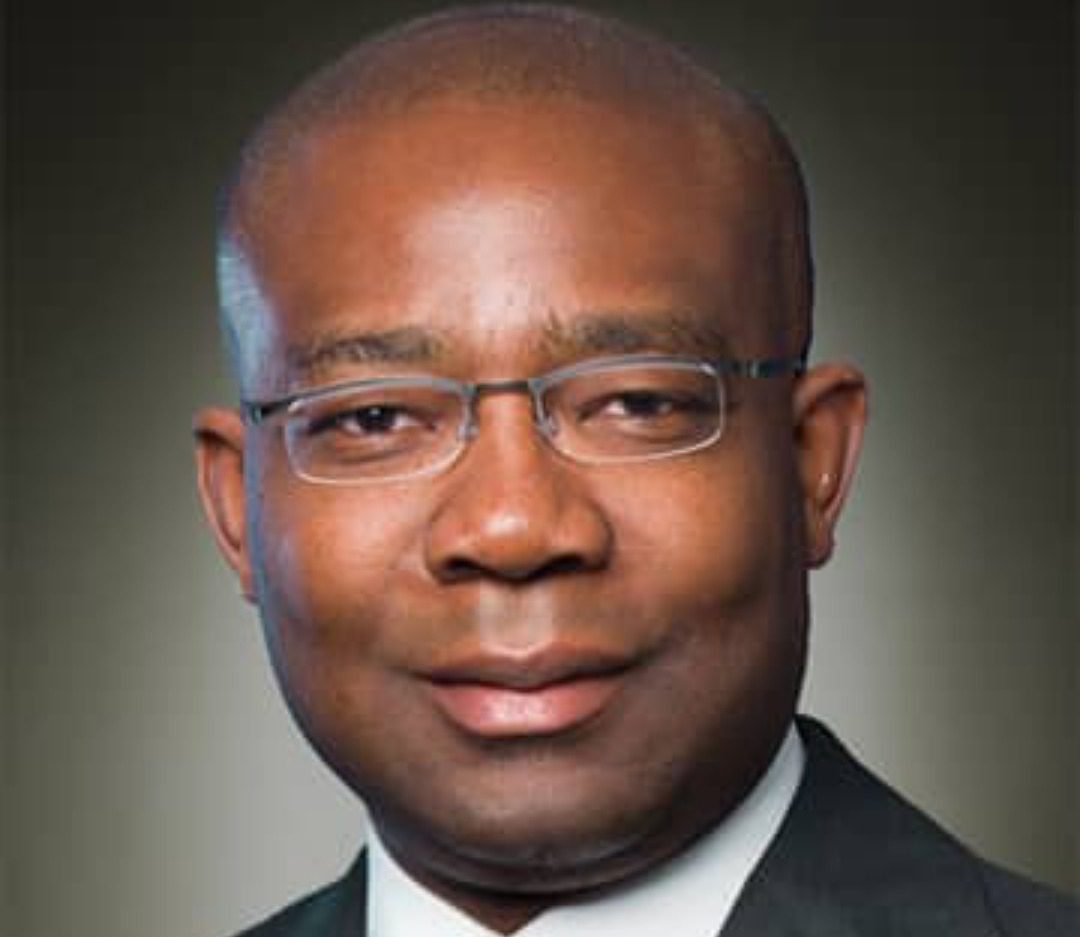
The Chairman of Access Holdings Plc, Aigboje Aig-Imoukhuede, has called on African banks to play a more active role in driving economic growth, warning that financial institutions cannot continue to focus mainly on profitability and stability while businesses struggle to secure funding and millions of people lack economic opportunities.
He said Africa needs banks that can provide the capital required to expand businesses, develop infrastructure and create jobs. He also advocated easier access to credit, stronger financial institutions capable of competing globally and deeper economic integration across the continent before any move towards a common currency.
Aig-Imoukhuede made the remarks at the closing session of the 2026 Africa Financial Summit (AFIS) in Luanda, Angola, where he addressed the theme, “Making Capital Count: Unlocking Growth Through African Finance.”
He argued that the strength of a banking system should not be judged solely by its financial performance, but also by how effectively it supports the wider economy and improves people’s living conditions.
“A banking system can be well, can be as safe as you want it to be, it can be profitable, but then it can still serve an economy that is very underperforming,” he said.
One of the major challenges he identified was the difficulty small and medium sized enterprises face in obtaining working capital. He noted that many small businesses supply goods and services to financially strong companies but are still unable to secure affordable financing.
According to him, businesses should be able to use the creditworthiness of their customers to access funding at more favourable rates, rather than being treated as high risk borrowers simply because of their size.
“When an SME supplies goods to a creditworthy buyer, that SME should be able to attract capital and financing at the same cost of the credit rating of that buyer immediately,” he said.
He pointed to India and Brazil as examples of countries where digital invoicing systems could offer useful lessons for African financial institutions and regulators. He said adopting similar systems would make it easier for businesses to access financing and support wider economic activity.
The Access Holdings chairman also called for pension funds and domestic savings to play a bigger role in financing infrastructure projects. However, he cautioned against relying on short term bank deposits to fund projects that require long term investment.
“We can’t use bank deposits, which can be withdrawn tomorrow, to finance long-term projects which require 20-year money,” he said.
He cited the Dangote Refinery as an example of the kind of large scale investment Africa needs, while warning that excessive government borrowing could leave fewer funds available for private businesses.
On the banking sector, Aig-Imoukhuede said the exit of some international banks from African markets had created opportunities for indigenous financial institutions to expand. However, he stressed that local ownership alone would not make African banks globally competitive.
“We must translate the scale we are building into globally competitive value,” he said.
He referred to Access Bank’s operations in Angola, explaining that the group’s ambition was to provide banking services that could compete with those offered by leading international institutions.
He urged African banks to strengthen their payment systems, expand their international operations and improve their connections with global financial markets.
Aig-Imoukhuede also stressed that economic integration must become a priority if Africa hopes to unlock the full potential of its markets. He said restrictions on cross border business activities, trade and movement continued to limit opportunities across the continent.
“Integration must precede monetary union,” he said, arguing that African countries should first remove barriers to trade, investment and the movement of people before considering a common currency.
To illustrate the problem, he recalled that his chief of staff could not travel with him to Angola because of visa difficulties. He questioned how Africa could achieve meaningful financial integration when movement between countries remained so complicated.
He identified compatible financial systems, connected markets and better coordination of economic policies as important steps towards building a more integrated continent.
Aig-Imoukhuede urged African financial leaders to make it easier for businesses to raise funds across national borders and encourage greater investment of pension assets in infrastructure instead of concentrating them in government securities.
He maintained that the real measure of Africa’s financial progress should be the extent to which banks support businesses, create jobs, reduce poverty and improve living standards, rather than simply recording higher profits or expanding their balance sheets.







