




































With the midterms now in the rearview mirror and a decisive victory handing control of both chambers of Congress to the Democrats, the political landscape in Washington is bracing for a dramatic shift. Party leadership is wasting no time preparing a sweeping legislative offensive aimed directly at Donald Trump’s agenda, armed with the authority to launch high-stakes investigations and put a halt to controversial administration nominees.
Riding a wave of momentum fueled by surprising wins deep within traditional Republican strongholds, Democratic leaders are signaling that their immediate focus will be two-fold: tackling everyday living costs and pushing for an end to the ongoing war in Iran, alongside a robust slate of government oversight. House Democratic leader Hakeem Jeffries, positioning himself to take the gavel as speaker when the new Congress convenes in January, has made it clear that accountability will take center stage. Pointing to what he characterizes as deep-seated corruption among those in high office, Jeffries emphasized that the primary mission remains refocusing governance on the daily struggles of ordinary citizens rather than private enrichment.
The opening days of the new congressional session promise a flurry of activity. Jeffries has mapped out an ambitious agenda for the House’s first one hundred hours, targeting affordability concerns that heavily defined the election cycle amid rising tariffs, stubborn inflation, and soaring fuel prices driven by the Iran conflict. Among the chief proposals on the table are restoring expired health insurance subsidies under the Affordable Care Act, rolling back nearly one trillion dollars in Medicaid reductions enacted during the Trump administration, reversing tariffs, and applying pressure to bring the military engagement to a close. Holding majorities in both chambers gives the party crucial leverage in spending negotiations and budget deadlines, though strategists note that such high-stakes brinkmanship always carries the underlying risk of federal government shutdowns.
Beyond legislation, oversight and investigations are set to provide an immediate battleground. Senior lawmakers wasted no time dropping hints on social media immediately following the election results, with incoming committee chairs signaling that subpoenas and legal scrutiny will follow swiftly. Observers anticipate that legislative committees will train their sights on a broad range of potential targets, including the business and cryptocurrency dealings of the Trump family, government contracts involving Elon Musk, sweeping reductions across federal agencies, and the execution of immigration enforcement and military strategy. Investigators have also expressed renewed interest in examining files related to Jeffrey Epstein. While the administration is expected to put up fierce resistance through lengthy court battles, and while talk of a third impeachment circulates among some circles, party leaders recognize the steep arithmetic required for removal in the Senate, where a two-thirds majority remains out of reach.
At the same time, the Senate majority grants the party formidable defensive power, particularly through the confirmation process. By controlling committee agendas and floor votes, Senate Democrats hold the keys to blocking presidential nominees for judicial and cabinet posts, including potential Supreme Court vacancies, thereby checking the administration’s judicial footprint for years to come.
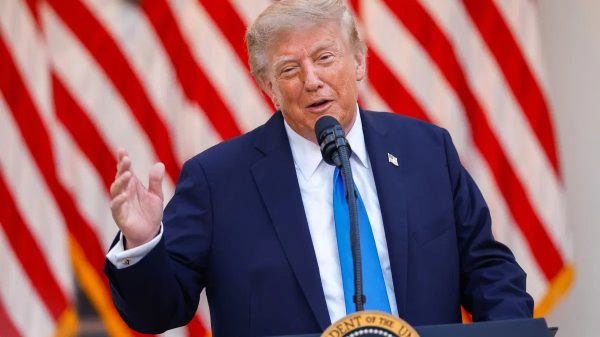
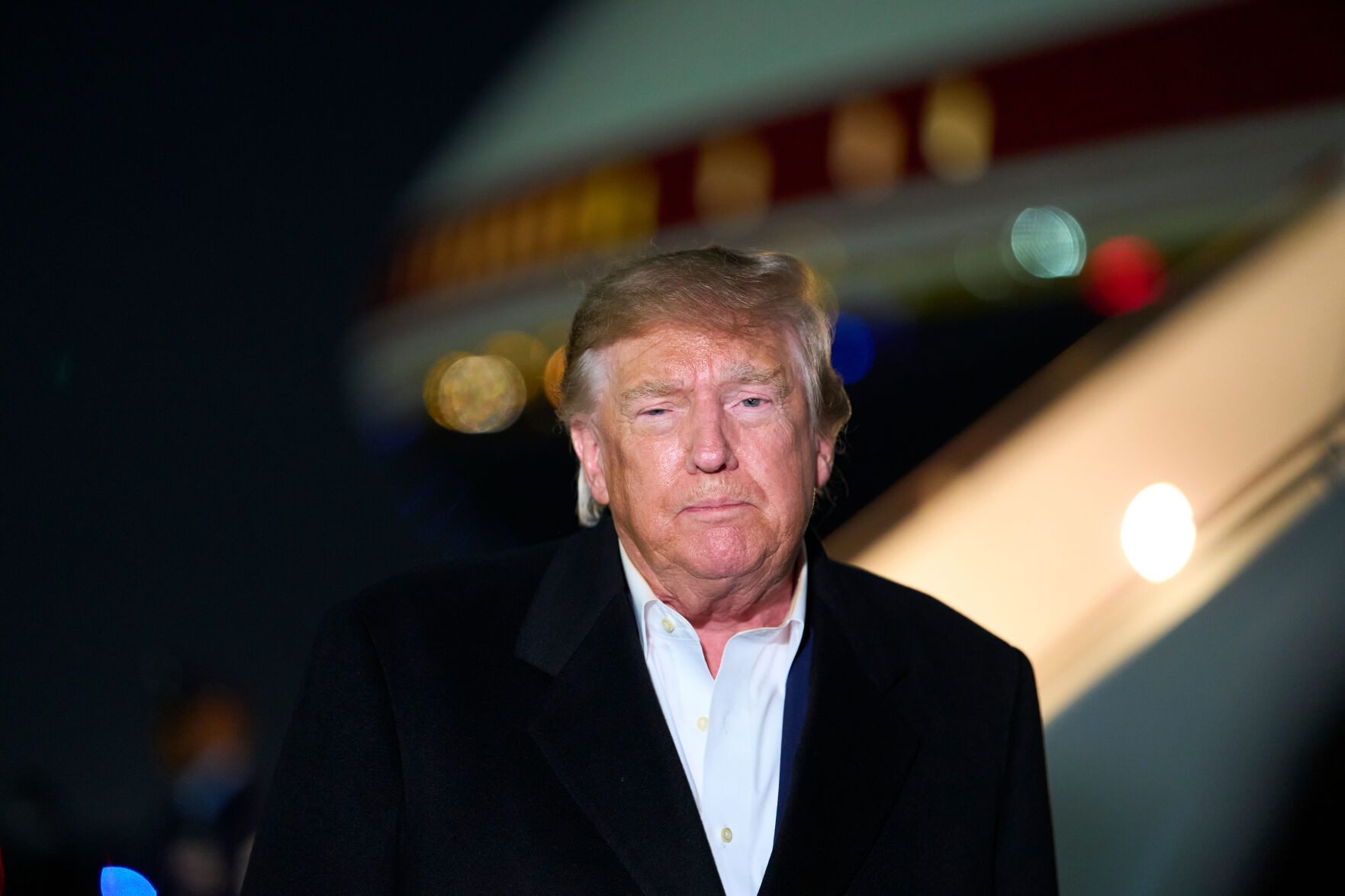
Even so, governing will be far from a cakewalk. Overcoming procedural hurdles in the Senate will require navigating a sixty-vote threshold for most major legislation, and the presidential veto looms large over any bills that manage to pass both houses. Furthermore, the executive branch retains sweeping autonomous authority over trade, immigration, and military actions. Following the electoral rout, Trump adopted a surprisingly conciliatory tone, telling The New York Times that he accepted the outcome, praised the opposition’s efforts, and anticipated potential areas for cooperation—even floating room for compromise on immigration. Yet, with previous warnings that a Democratic Congress would be met with blanket vetoes, the stage is set for a tense, high-stakes dynamic defined equally by the potential for legislative gridlock and hard-fought bipartisan deals.







