







































Following a decisive midterm election victory that handed them control of both chambers of Congress, Democrats are gearing up for a major legislative offensive against President Donald Trump. According to reports from news, the newly empowered party is preparing to challenge the administration’s policies, launch sweeping investigations, and block key nominees.
Riding a wave of momentum that saw them secure victories deep within traditional Republican strongholds, Democratic leaders have pledged immediate action on rising living costs and the ongoing conflict in Iran. At the same time, they are making it clear that investigating alleged corruption and abuses of power will sit firmly at the top of their agenda. Pointing to public frustration over self-enrichment among political elites, party figures argue that officials must refocus their attention on improving the everyday lives of ordinary Americans.
Even with their congressional majorities, Democrats will not have a completely unobstructed path forward. President Trump still holds veto power, and Senate rules provide Republicans with the procedural tools needed to stall most legislation. This dynamic sets the stage for a tense political landscape filled with both opportunities and significant hurdles.
House leaders have already outlined an aggressive legislative agenda for their first one hundred hours in power, centering squarely on affordability. The election itself was heavily influenced by voter concerns over tariffs, soaring prices, and the war in Iran. In response, lawmakers are pushing to restore expired health insurance subsidies under the Affordable Care Act, reverse substantial Medicaid cuts enacted during the Trump administration, roll back tariffs, and pressure the White House to find a resolution to the conflict that has driven fuel costs to new highs.
By holding majorities in both chambers, Democrats can easily bring these proposals to the floor for a vote and take control of upcoming spending negotiations. They could leverage federal budget deadlines to extract policy concessions, though such high-stakes standoffs always carry the inherent risk of government shutdowns.
Beyond passing new laws, congressional oversight provides Democrats with an immediate mechanism to push back against the executive branch. Lawmakers expected to lead key oversight committees have already signaled a sharp shift in tone, advising administration allies to prepare for legal scrutiny while highlighting the power of congressional subpoenas. With committee control secured in both chambers, the party can summon public officials, demand sensitive documents, and hold high-profile hearings that will place the administration under intense public pressure.
Investigators are expected to look closely into a wide range of subjects, including the business and cryptocurrency dealings of the Trump family, government contracts involving Elon Musk, federal agency downsizing, immigration enforcement, and the execution of the Iran war. Additional interest has been expressed regarding government handling of files tied to Jeffrey Epstein. While the administration is likely to resist document requests and witness testimonies through prolonged court battles, Democrats also possess the constitutional power to pursue impeachment. However, party leaders remain cautious, knowing that while a simple House majority is enough to impeach, removing a president requires a two-thirds majority in the Senate—a threshold far beyond their current numbers.
Control of the Senate introduces another formidable tool: the power of confirmation. Democrats now hold the authority to block judicial and cabinet nominees, including any potential vacancy on the Supreme Court. This leverage allows them to influence the judiciary long after the current presidential term ends. Furthermore, Democratic committee chairs will dictate which bills and investigations receive priority attention.
Despite these advantages, enacting new laws will prove far more difficult than launching investigations. Most legislation must clear a sixty-vote threshold in the Senate to overcome procedural roadblocks. Furthermore, any bill that successfully passes Congress can still be rejected by a presidential veto, and overriding a veto requires a two-thirds supermajority in both legislative bodies. President Trump also retains considerable executive authority over trade, immigration, and military decisions, though lawmakers intend to use spending bills and targeted legislation to try to constrain those powers.
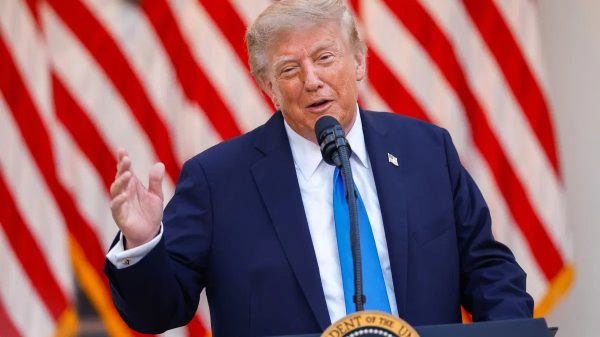
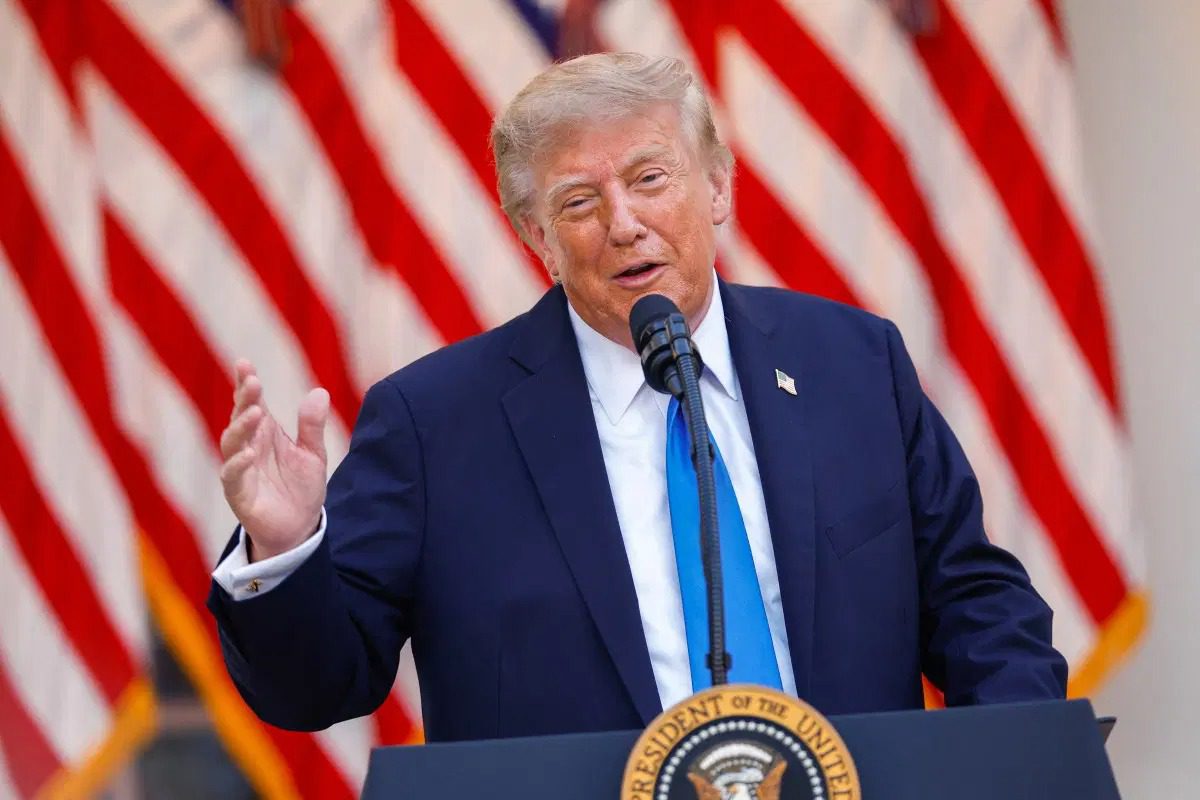
In the wake of the electoral defeat, the president struck a surprisingly conciliatory tone, commending Democrats on a strong campaign and telling Zoyols News that he accepts the election outcome and anticipates working alongside them. He even hinted at potential bipartisan cooperation on immigration reform. Yet, those remarks contrast sharply with his earlier warnings that a Democratic-controlled Congress would face blanket vetoes, serving as a reminder that the upcoming legislative term is likely to be defined by a constant push and pull between fierce confrontation and reluctant compromise.







