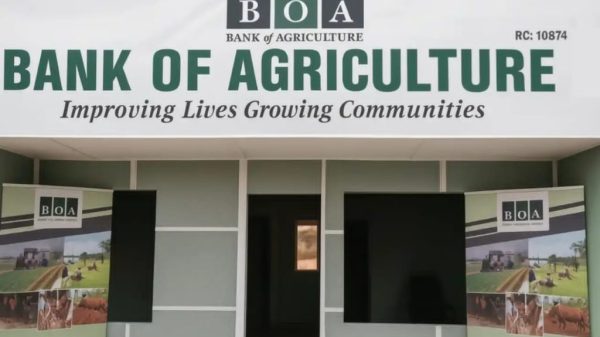







































The Federal Government is taking a fresh approach to poverty alleviation, launching a strategic partnership between the Ministry of Humanitarian Affairs and Poverty Reduction and the Bank of Agriculture. This collaboration aims to move beyond temporary aid by connecting vulnerable Nigerians to agricultural financing, essential tools, and long-term ways to sustain their livelihoods.
By formalizing this agreement through a new Memorandum of Understanding, the government intends to bridge the gap between simple humanitarian assistance and true economic independence. The goal is to use existing social protection data as a foundation for agricultural growth, ultimately strengthening the resilience of households that have historically struggled to gain a foothold in the economy.
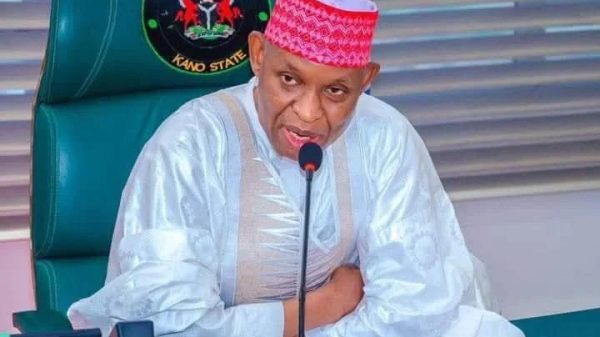
During the signing event in Abuja, the Minister of Humanitarian Affairs and Poverty Reduction, Dr. Bernard M. Doro, highlighted the strength of this union, noting that both institutions bring unique resources to the table. The minister pointed to the national social register as a cornerstone of this effort. This database currently tracks approximately 20 million households—roughly 80 million individuals—making it one of the most comprehensive resources of its kind across the continent.
A significant portion of this data, representing over 10 million people, has already been verified using National Identification Numbers. Dr. Doro emphasized that these individuals are not just randomly selected; they are identified through a rigorous process that includes community-based targeting, localized verification, and deep analysis. Because poverty often manifests differently depending on the region, the minister noted that involving local communities in the identification process is essential for ensuring that support reaches the families who need it most.
The practical side of this partnership focuses on increasing productivity. The bank is prepared to help farmers by creating specific profiles that track their economic activities, which will, in turn, help establish credit scoring mechanisms to improve their access to financial services. Beyond loans, the intervention is expected to provide tangible agricultural support, such as high-quality seeds and fertilizers.
Ultimately, this initiative signals a shift in how the government tackles financial hardship. By moving away from fragmented aid and toward a more data-driven, coordinated strategy, the authorities hope to move the needle on poverty reduction in a way that provides lasting stability rather than short-term relief.