
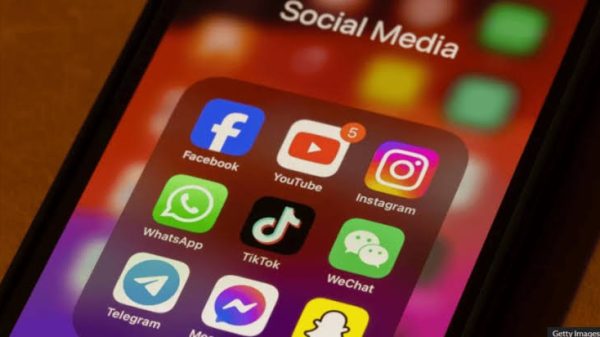













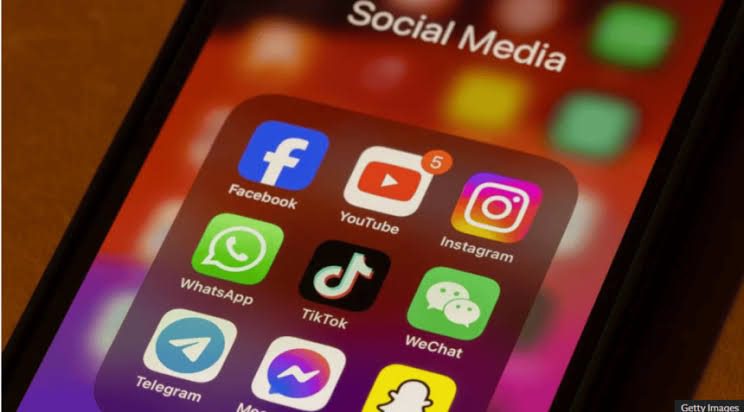
Gabon has officially brought back social media networks after an exhausting eight month blackout that cut off millions from digital spaces like Facebook and TikTok. The High Communication Authority originally pulled the plug on February seventeenth, blaming online content for stoking social conflict and division during a fragile political period for President Brice Oligui Nguema.
Throughout the lengthy shutdown, heavy platforms including Facebook, TikTok, YouTube, and Instagram went completely dark, while messaging services like WhatsApp faced erratic disruptions. Despite the strict controls, tech savvy citizens managed to bypass the firewall by downloading virtual private networks en masse. Reports noted that provider Proton experienced an astronomical surge in tool downloads right after the ban went live, underscoring how deeply embedded these platforms have become in daily life.
Explaining the rationale behind the prolonged suspension, regulatory officials stated that the measure gave the government necessary breathing room to overhaul its legal framework and better regulate online spaces. The new rules now demand that social media users provide formal identification, permanently ending the era of digital anonymity in the country. In addition, officials revealed they have been coordinating directly with tech giants like Meta, TikTok, and YouTube to enhance content moderation protocols.
The sweeping censorship did not go unchallenged, as opposition leaders roundly condemned the policy as a blatant abuse of executive authority. Critics pointed to the social media blackout alongside the imprisonment of former prime minister Alain Claude Bilie By Nze as evidence of a tightening political climate. These events have deeply disappointed citizens who initially hoped that the military overthrow of the long standing Bongo family dynasty in twenty twenty three, followed by Nguema’s election last year, would usher in a lasting democratic spring.







