
































The ruling followed investigations into the deaths of followers who were allegedly encouraged to starve themselves to death in the belief that doing so would help them meet Jesus.
Delivering the judgment in Mombasa, the judge said the prosecution had established its case against all 29 defendants in connection with the deaths of the 190 children and one adult.
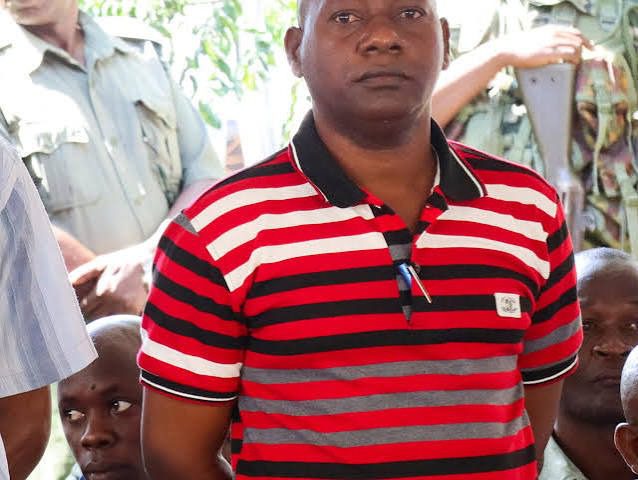
Mackenzie remained impassive in court as the verdict was announced, while relatives of the victims gathered to witness the proceedings. Many had travelled from rural communities along Kenya’s coast to attend the hearing and seek justice for their loved ones.
Among them was 62 year old Francis Wanje, who lost eight members of his family, including his daughter and two grandchildren, in the tragedy.
Speaking before the court session, Wanje described the day as deeply significant, expressing hope that the ruling would serve as a warning to the public and prevent similar incidents in the future. He also voiced anger over what he considered the authorities’ initial failure to act decisively.
The case centres on events at Mackenzie’s 800 acre ranch in Shakahola Forest, near the coastal resort town of Malindi. Prosecutors alleged that he initiated and directed an extreme fasting programme among his followers, operating what they described as a structured system in which children were expected to die first, followed by teenagers, women and men.
According to the prosecution, most of the children died from starvation, while others suffered asphyxia, neck compression and traumatic head injuries. The findings were based on post mortem examinations and police reports.
The shocking scale of the deaths emerged in April 2023, when authorities arrested Mackenzie following information provided by a human rights organisation. Some followers were rescued as police began investigating the religious community.
The operation uncovered numerous shallow mass graves containing the remains of children, women and men. As the death toll continued to rise, excavations were temporarily suspended after local mortuaries ran out of space to accommodate the bodies.
The Kenya National Commission on Human Rights reported in 2024 that the number of deaths had reached 429, although some victims remained unidentified. More bodies have since been discovered, and Mackenzie was charged in January over an additional 52 bodies found in a nearby village.
The case has intensified calls for stricter regulation of religious organisations in Kenya, particularly after it emerged that Mackenzie had previously been arrested but was released on earlier occasions.
He established the Good News International Church in 2003 and opened branches in Nairobi and along the Kenyan coast, attracting thousands of followers. He later claimed that the church had closed in 2019.
Mackenzie was first arrested in 2017 over allegations of radicalisation but was acquitted. He was arrested again in 2019 in connection with the deaths of two children at Shakahola, but was released on bail.
Despite the murder verdict, Mackenzie also faces separate proceedings involving manslaughter and terrorism charges, which he has denied.
The Shakahola tragedy remains one of Kenya’s most disturbing cases involving religious extremism, raising serious questions about the protection of vulnerable followers and the ability of authorities to intervene before such abuses escalate.








