








































Come On Naija, a Nigerian media production company known for its culturally driven projects and creative storytelling, is seeking partnerships with brands, institutions and filmmakers to develop bespoke content and entertainment properties that connect meaningfully with audiences.
The company says its mission is to bring the depth of Nigerian stories, cultural values and artistic expression to a wider audience while contributing to the growth and global visibility of the country’s creative industry.
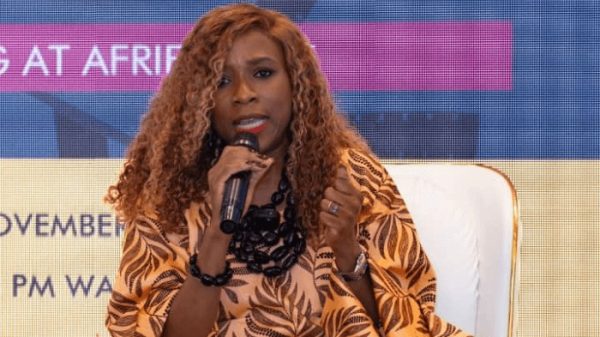
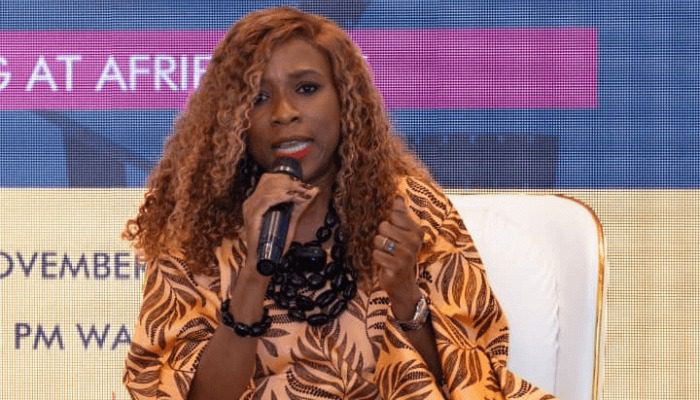
According to its Chief Executive Officer, Mrs. Olawumi Fajemirokun, Come On Naija operates across entertainment, culture, media and the creative economy, turning compelling Nigerian stories and cultural experiences into professionally developed intellectual properties capable of reaching audiences locally, across Africa and internationally.
Fajemirokun said the company’s operations extend beyond conventional filmmaking. Its portfolio includes identifying compelling stories, developing intellectual property, bringing creative and commercial partners together, producing quality content and creating opportunities for brands, investors, distributors, cultural institutions and audiences to participate in the entertainment value chain.
She explained that the company was established partly to address a major gap in the Nigerian entertainment industry, where many important stories remain undocumented or are not developed to the level required to reach wider audiences.
“Nigeria possesses one of the world’s richest reservoirs of human stories, traditions, entrepreneurial experiences, historical events, personalities, communities and cultural expressions. Yet many of these stories remain undocumented, underdeveloped or presented to audiences without the scale and production quality they deserve. Come On Naija exists to close that gap,” she said.
The company’s work has already attracted international recognition, winning three awards at the Toronto International Nollywood Film Festival in Canada. The recognition, according to the company, further strengthens its commitment to authentic storytelling, quality production and content with international appeal.
Among its notable productions are Afamefuna: An Nwa Boi Story, the first feature film centred on the Igbo Apprenticeship System, and Iwe Ala: An Ojude Oba Story. Both productions received strong reactions from audiences and art lovers for their creative approach and cultural authenticity.
Come On Naija says its storytelling philosophy is anchored on authenticity, excellence, entertainment, cultural preservation and global relevance. The company believes Nigerian stories can remain deeply rooted in local identity while still carrying emotions and themes that audiences around the world can understand.
Its work also extends beyond filmmaking into cultural preservation through research, documentation and the development of films that explore Nigeria’s diverse traditions and cultural experiences.
For Fajemirokun, the passion for storytelling goes back to childhood. She recalled growing up in a family of six children where watching television was a shared experience, particularly when her siblings gathered around to watch Tales by Moonlight on NTA.
That early exposure, she said, helped develop her appreciation for storytelling and the power of narratives to bring people together.
Her interest was strengthened by her love for books, particularly stories written by indigenous Nigerian authors. While many of her peers were reading foreign classics such as Enid Blyton’s Famous Five, she was drawn to the works of Mamman Jiya Vatsa because they reflected the environment and experiences she knew.
“Discovering at an early age that our own stories could be beautifully documented and celebrated left an indelible mark on me,” she said, adding that the experience eventually shaped her vision as an executive producer and strengthened her determination to promote authentic Nigerian and African stories.
Her move into filmmaking, however, was not the result of a straightforward career path. Fajemirokun described her defining moment as emerging from disappointment and a lack of support from one of her existing business ventures.
The experience forced her to rethink her direction and revisit an area of interest she had quietly carried since her early twenties. Rather than allowing the setback to define her, she said it became the push she needed to embrace creativity more fully.
For Fajemirokun, creativity is closely connected to the human capacity to build and create. She believes that following genuine creative instincts can lead people towards greater fulfilment, particularly when those instincts are connected to a meaningful purpose.
That personal conviction also coincided with her assessment of Nigeria’s economic and demographic realities. She noted that Nollywood has become one of the country’s most influential and rapidly expanding sectors, while Nigeria’s youthful population represents a huge pool of creative energy that needs productive avenues for expression.
She saw filmmaking as an opportunity to bring those two realities together by creating stories that connect Nigeria’s traditions with contemporary life.
Rather than concentrating exclusively on historical stories, Fajemirokun said her vision is to develop contemporary narratives that remain firmly connected to Nigerian culture and identity. Through such stories, she believes filmmakers can preserve heritage while also creating opportunities for economic and social impact.
One project that remains particularly important to her is Afamefuna: An Nwa Boi Story, which gained significant attention after its release and subsequent availability on Netflix.
Fajemirokun believes the film connected with audiences because it captured a familiar part of the Nigerian experience: the determination to build something through hard work, persistence and enterprise.
She pointed out that Nigerians are exposed to business and entrepreneurship from an early age, whether through informal trading, family businesses or other small ventures. In many homes, children grow up seeing relatives create opportunities for themselves rather than waiting for assistance.
For her, Afamefuna captured that spirit of resilience and the patience required to build a business from the ground up.
The film’s appeal, she said, came from its portrayal of ordinary people pursuing success without necessarily having access to huge amounts of capital. Its depiction of enterprise, sacrifice and self determination reflected experiences familiar to many Nigerians while also presenting a universal story of ambition and perseverance.
Cultural identity remains at the centre of Fajemirokun’s creative philosophy. She believes Nigerian filmmakers should not feel pressured to reshape their stories simply to satisfy foreign expectations of what constitutes modern or globally acceptable content.
According to her, Nigeria’s colonial history has contributed to a tendency to look outward for narratives and standards, sometimes at the expense of indigenous experiences and traditions.
She argued that cultural authenticity and global relevance should not be viewed as opposites. Instead, she believes the strength of Nigerian storytelling lies in its ability to present local experiences confidently while allowing audiences around the world to connect with the emotions and themes contained in those stories.
“Our heritage is our competitive advantage,” she said, stressing that Nigerians do not need to abandon their identity or imitate foreign cultures in order to gain international recognition.
For Fajemirokun, standing firmly in one’s identity is itself a powerful statement. She believes global audiences are capable of appreciating stories that are genuinely rooted in the cultures from which they emerge.
Her experience in the film business has also taught her important lessons about audience expectations and the economics of production.
From the creative side, she said audiences want stories that maintain momentum and keep them emotionally invested. Even serious drama, she noted, benefits from tension, strong pacing and moments that make viewers eager to discover what happens next.
But beyond storytelling itself, she identified visibility as one of the most important factors determining commercial success in today’s film industry.
Filmmaking involves significant financial risks, making marketing, audience reach and market penetration critical to the survival of a production. For that reason, she said strategic partnerships have become an essential part of building a sustainable film business.
Come On Naija continues to seek relationships with corporations, brands and institutions that can provide support for its productions while benefiting from the opportunities created by quality African storytelling.
For Fajemirokun, the ultimate goal is to build a company capable of telling Nigerian stories with authenticity, producing them to international standards and creating a sustainable business around the culture and experiences that make them unique.
Through Come On Naija, she hopes to prove that stories deeply rooted in Nigerian identity can travel far beyond the country while preserving the values, traditions and experiences from which they originated.







