

















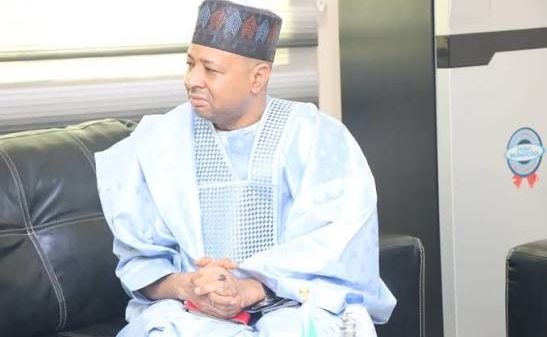

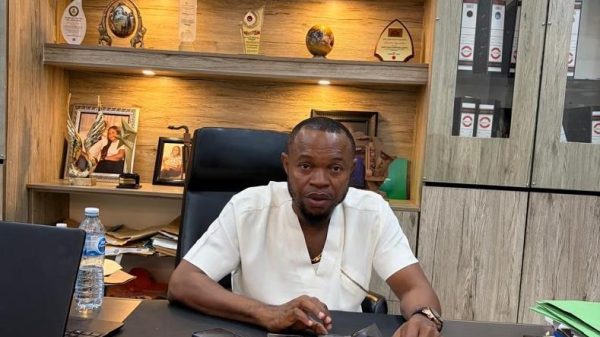


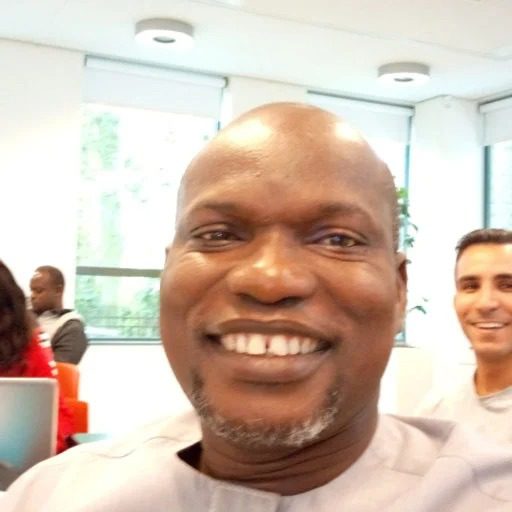
Lagos State is shaking up its environmental leadership following mounting pressure over stubborn piles of refuse spilling across major roads, residential streets, and drainage channels. Governor Babajide Sanwo-Olu has reportedly tapped Dr. Hassan Sanuth to take over the helm at the Lagos Waste Management Authority, stepping into the role previously held by Dr. Muyiwa Gbadegesin.
While state officials have kept official confirmation under wraps as of press time, insiders close to the administration indicate that the leadership change comes on the heels of growing frustration at the highest levels. Despite repeated directives and high-profile interventions to clean up the metropolis, refuse accumulation has persisted in communities like Mushin, Egbeda, Surulere, Ajegunle, Ikorodu, Ojo, Obalende, Apapa, and Mile 2, leaving residents to deal with decomposing waste near their doorsteps.
The governor’s patience wore thin after noticing that municipal waste collection had not improved as expected. Gbadegesin was reportedly asked to resign over the weekend, though he had been seeking additional time to turn things around and leaning on the influence of prominent figures to plead his case. Just days prior, Gbadegesin had shared a weekly operational update on social media detailing cleanup efforts in pockets of the city, such as Mile 2, parts of Orile, Ijesha, and Itire, while acknowledging that corridors like Apapa and Abesan Estate still required urgent attention.
The leadership shuffle follows a turbulent period for waste management in the state. Roughly a month ago, Governor Sanwo-Olu, alongside Deputy Governor Dr. Obafemi Hamzat, made an impromptu visit to the Olusosun Dumpsite in Ojota, where he didn’t hold back his frustration, labeling the widespread heaps of garbage embarrassing. That visit prompted a full state of emergency on waste management, alongside a mandate to overhaul LAWMA’s operational framework.
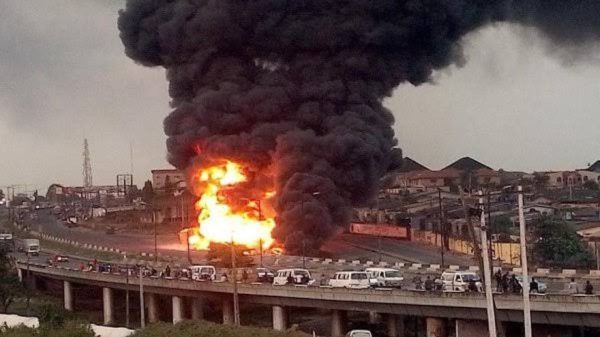
During meetings with sector stakeholders at the dumpsite, the governor pointed fingers partly at Private Sector Participation operators who failed to pull their weight in previous weeks. He also highlighted ongoing compaction work at both Olusosun and Solous 3 dumpsites, explaining that once completed, these facilities would nearly double daily intake capacity to roughly 450 trucks per site, helping ease evacuation bottlenecks caused in part by previous fire incidents.
Stepping into this demanding environment is Dr. Hassan Sanuth, who brings more than two decades of public service experience to the table. Before his reported elevation, he served as the Director of Sanitation Services within the Office of Environmental Services under the Ministry of the Environment and Water Resources. His career spans environmental management divisions including pollution control, monitoring, conservation, and ecology.
Academically, Sanuth holds a PhD in Environmental Microbiology and a master’s degree from the University of Ibadan, alongside specialized international certifications in environmental monitoring, modeling, and water governance from institutions in the Netherlands. He has also represented Nigeria internationally on environmental projects and maintains active memberships in professional bodies like the Nigerian Environmental Society and the American Society for Microbiology.
Even as reports of the transition circulate widely, the situation remains fluid. When media companies reached out for clarification, the Commissioner for the Environment and Water Resources, Tokunbo Wahab, dismissed the appointment claims as untrue, though he declined to offer further comments on the unfolding situation.







