



































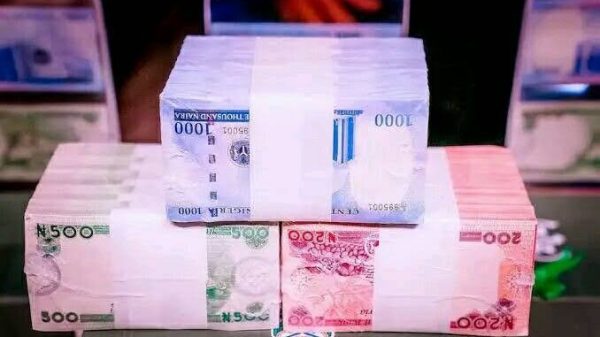





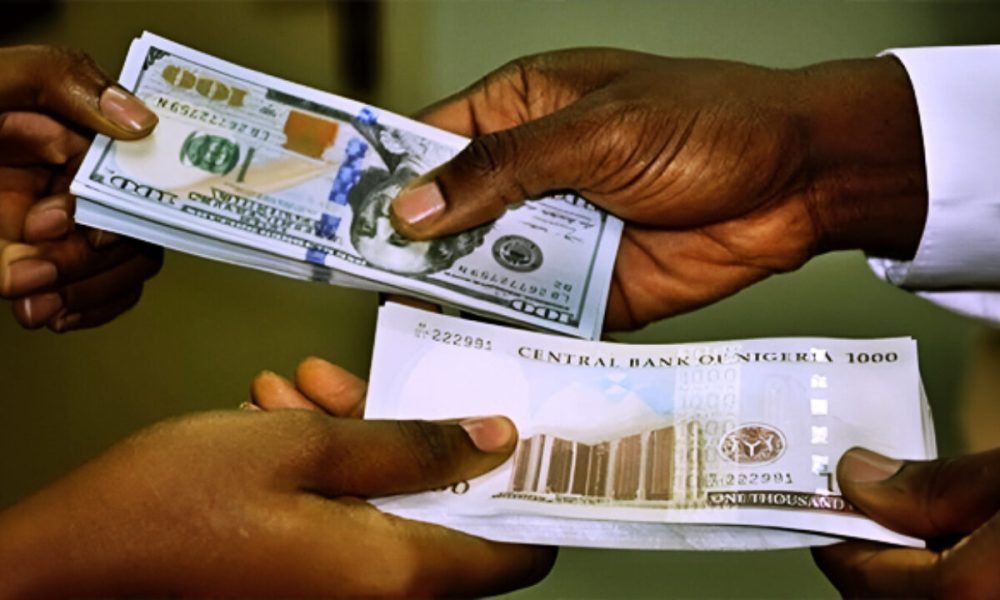
The Nigerian foreign exchange market opens the week with notable margins between the official and parallel segments as currency trading gets underway this Monday. The official rate at the Nigerian Foreign Exchange Market hovers around ₦1,331 per dollar, while street dealers and parallel market operators quote significantly higher figures for individuals seeking physical cash.
Market data specifically points to an official selling rate of roughly ₦1,331.28 at the official window. Conversely, the parallel market presents a different reality for everyday currency exchangers, with buying rates settling near ₦1,370 and selling rates climbing up to ₦1,385 per dollar. Naturally, these figures fluctuate depending on the specific location, the volume of the transaction, and the individual dealer involved, meaning bank rates and bureau de change quotes can occasionally deviate from these baseline numbers while international reference rates often track separate trajectories.
For everyday citizens and small business owners trying to make sense of these street rates, the math translates directly into how much purchasing power they hold in hand. Selling $100 to a parallel market dealer at the current buying rate yields about ₦137,000, whereas purchasing that same amount requires laying out roughly ₦138,500. Scaling those figures up, $500 commands close to ₦685,000 on the buy side and nearly ₦692,500 on the sell side, while a $1,000 transaction spans from roughly ₦1,370,000 to ₦1,385,000 depending on the direction of the trade. These figures serve as general estimates, as actual trading floors and individual outlets often adjust their prices based on immediate cash availability and geographical location.
These daily currency movements carry profound implications for Nigerian households and corporate entities alike, particularly those reliant on imported goods and foreign services. When the dollar commands a stronger position, the cost of bringing in raw materials, heavy machinery, and consumer electronics rises steeply, which ultimately forces businesses to pass those overhead pressures onto everyday consumers at retail counters. Beyond commerce, families sponsoring children through overseas education, settling foreign medical bills, or managing international travel expenses find themselves closely tracking these shifts as the changing value of the naira directly impacts their financial planning. The persistent gap between official and parallel market rates also complicates access for citizens who cannot readily source foreign exchange through authorized banking channels.
Looking ahead, the performance of the local currency in upcoming trading sessions will hinge heavily on broader economic fundamentals, including foreign exchange supply, liquidity levels, export earnings, and steady capital inflows. While robust inflows of foreign currency can provide vital support to the naira, sustained high demand from importers and individuals seeking dollars will continue to exert pressure on both official and parallel market rates.







