





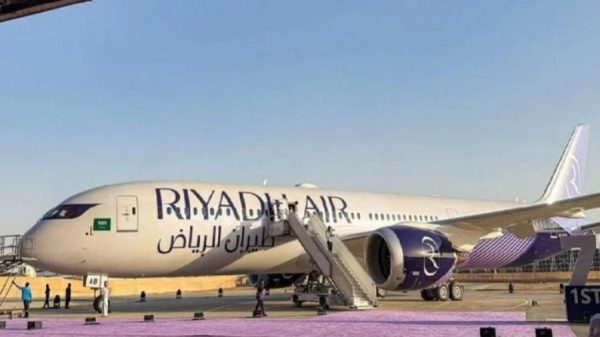
































King Khalid International Airport in Riyadh has cautiously resumed a limited schedule of domestic and international flights, welcoming arrivals from major global hubs such as Dubai, Cairo, and Paris. This partial normalization comes in the wake of sudden explosions that echoed across the Saudi capital earlier in the day, following urgent text alerts sent to residents warning of an imminent hostile aerial threat targeting the city.
The sudden disruption and subsequent airport closure dealt a significant blow to the nation, prompting the postponement of a major flagship investment conference to 2027 as residents scrambled for alternative routes in and out of the country. The fallout from the renewed conflict has similarly disrupted international sports, forcing prestigious fixtures like the Dakar Rally to face cancellations or relocations. While flight tracking records indicated that a small number of departures managed to leave, the vast majority of scheduled flights remained canceled. When questioned about the full scope of the renewed operations, authorities offered no further details .
The tense reopening follows a relentless wave of strikes orchestrated by Houthi forces, including a devastating attack earlier this month that claimed thirteen lives and injured more than three hundred people, making it the deadliest incident in the kingdom in over a decade. Houthi military representatives had previously issued stern warnings declaring the Riyadh airport an unsafe zone and a legitimate military target. Officials warned international and local airlines, alongside travelers and staff, to avoid the facility entirely, noting that the Saudi leadership would bear the consequences of any continued operations.
In response to the escalating security crisis, diplomatic and military efforts have intensified across the kingdom. Greek Prime Minister Kyriakos Mitsotakis arrived in Riyadh for high-level talks with Saudi leadership, agreeing to keep a strategic Patriot air defense system stationed in the Red Sea export hub of Yanbu to protect vital maritime corridors and energy flows. Meanwhile, The Saudi-led military coalition successfully intercepted dozens of incoming ballistic and cruise missiles, alongside explosive drones directed at both the capital and southern regions.
The human toll of the conflict has left communities on edge, with residents in southern towns describing relentless bombardments that shook entire neighborhoods. Civil defense authorities confirmed that falling debris caused structural damage to several buildings and vehicles, injuring individuals in the southern sector. Official photographs revealed pulverized building facades with exposed reinforcement bars and streets blanketed in shattered glass. Early morning alerts in Riyadh sent residents rushing for safety as air defense batteries engaged incoming threats overhead, highlighting the volatile security environment currently facing the nation.







