







































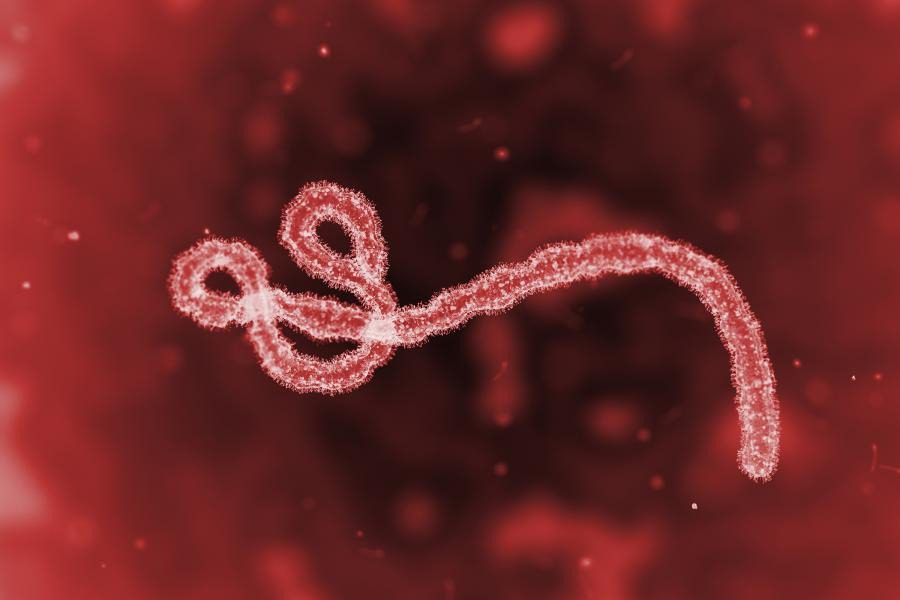
Political tensions have escalated following the confirmation of an Ebola case in Abuja, with the African Democratic Congress taking a swipe at the ruling All Progressives Congress for allegedly evading questions concerning a ten billion naira emergency preparedness fund. The opposition camp expressed deep concern that instead of prioritizing public safety and financial transparency, political representatives chose to deflect the conversation, leaving citizens in the dark regarding the whereabouts of the substantial intervention fund approved earlier in the year.
In a strongly worded statement, the leadership of the opposition coalition criticized the ruling party for focusing on trivial wordplay rather than providing a transparent account of the funds. Critics pointed out that while official statements spent considerable energy mocking linguistic coincidences, they offered zero clarity on the actual disbursement or location of the ten billion naira earmarked for national health defense. The critique also linked the ongoing health scare to broader economic struggles, noting that current economic hardships have already stretched citizens to their limits when trying to afford basic healthcare and daily sustenance.
The debate has intensified calls for absolute accountability from the presidency and the ruling party, with the opposition demanding explicit proof of financial transactions. Questions raised include whether the funds were ever disbursed from the treasury, who currently holds and controls the allocation, and why the emergency preparation machinery appeared sluggish despite prior announcements. Observers and political actors are pressing for the immediate publication of official release documents, bank records, and expenditure reports from the designated task force to clear any lingering suspicion.
Attention has also shifted toward the official timeline surrounding the confirmed Abuja case. Citing detailed tracking logs obtained through investigations, critics noted a concerning gap in the sequence of events, pointing out that the patient reportedly developed initial symptoms weeks prior, sought medical attention at a private clinic days later, and only received laboratory confirmation much later. Public health observers are demanding clear answers on when the virus was first suspected, exactly when public health authorities were put on alert, and the precise moment contact tracing began for the dozens of individuals currently at risk.
Emphasizing the gravity of the situation, political stakeholders stressed that the identified contacts and frontline health workers deserve robust protection, adequate equipment, and full institutional support rather than being used as pawns in political press statements. Furthermore, concerns were raised regarding the potential misuse of public health protocols as political tools. The opposition cautioned that any emergency measures introduced to manage the health crisis must remain strictly humanitarian and transparent, ensuring they are never weaponized to restrict civil liberties, campaign activities, or the electoral rights of citizens.







