


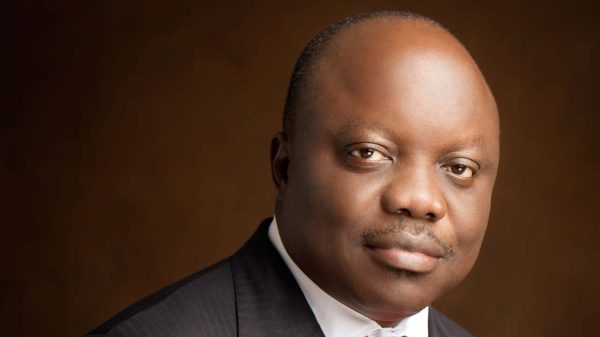


























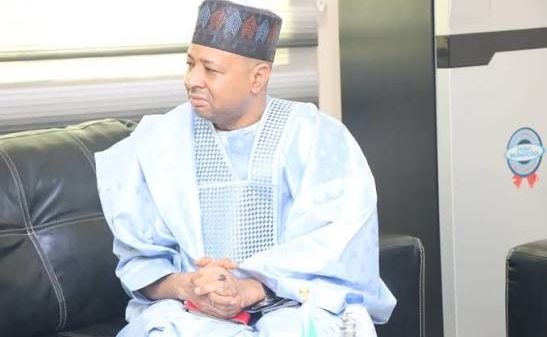



The Federal High Court sitting in Warri, Delta State, has fixed November 24, 2026, to deliver its verdict in a high-stakes legal battle trailing the senatorial primary election of the Nigeria Democratic Congress. Justice Hyeladzira Ajiya Nganjiwa announced the judgment date after presiding over extensive legal arguments from counsel representing the parties involved in the suit, which questions the candidacy of former Deputy Senate President Senator Ovie Omo-Agege. The legal challenge is registered under suit number FHC/WR/CS/120/2026 and was instituted by Alexander Osondu Akpodiete.
A central point of contention during the court session revolved around the exact date Senator Omo-Agege formally cut ties with his former party, the All Progressives Congress. Lead counsel for the plaintiff, Damian Dodo, maintained that the former lawmaker purportedly resigned on May 18, presenting a letter to back the claim. However, this assertion met stiff resistance from Omo-Agege’s defense counsel, Dr. Onyechi Ikpeazu. Ikpeazu countered that the only resignation letter duly acknowledged by the APC and backed by an official affidavit from the party itself bore the date of May 5. Stressing that resignation takes effect immediately upon receipt and acknowledgment under the law, Ikpeazu argued that subsequent internal handling of the name by the APC holds no legal weight and cannot be used to prejudice a member who has formally exited.
The proceedings also delved into fiery arguments regarding the plaintiff’s locus standi and the validity of the party register. The Nigeria Democratic Congress raised a preliminary objection, pointing out that Akpodiete failed to purchase the senatorial nomination form, underwent no screening or clearance process for the May 29 primaries, and was missing from the official Independent National Electoral Commission report on the exercise. While the plaintiff’s camp countered that obtaining an Expression of Interest form should suffice, the argument sparked hushed murmurs and debate among legal practitioners inside the courtroom. Furthermore, while the plaintiff questioned how Omo-Agege could be on the Nigeria Democratic Congress register if he allegedly left the All Progressives Congress late, Certified True Copies of the party’s membership register submitted by the electoral commission and the defendants firmly laid the matter to rest, satisfying the requirements of the Electoral Act.
Further complicating the courtroom drama was a dramatic last-minute move by the electoral commission, which de-briefed its original legal team and brought in new counsel seeking to throw out all previously filed processes. This triggered intense debates concerning whether a court is legally barred from reviewing existing evidence on record. Ikpeazu insisted that an affidavit can only be legally withdrawn through a fresh deposition by the deponent, noting that the court retains its duty to weigh evidence already before it. Additional legal hurdles were raised regarding the originating summons allegedly signed by an individual whose name is missing from the Roll of Legal Practitioners in Nigeria, which the plaintiff dismissed as a mere clerical error. The defense also attacked the plaintiff’s reliance on an uncertified private copy of a document masquerading as an official register, insisting that the Evidence Act strictly mandates original copies or Certified True Copies for public documents.
Outside the courtroom, the atmosphere remained palpable with tension and high political intrigue. Observers stationed around the premises could not help noticing that several vehicles transporting the plaintiff’s legal team bore official Delta State Government House number plates, sparking widespread speculation and questions regarding the hidden hand or interest of the state government in a private suit ostensibly brought by an individual party member. With all arguments exhausted and written addresses adopted, Justice Nganjiwa formally adjourned the matter to November 24, 2026, for judgment, leaving political actors and keen watchers waiting for the judicial hammer to fall.







