




























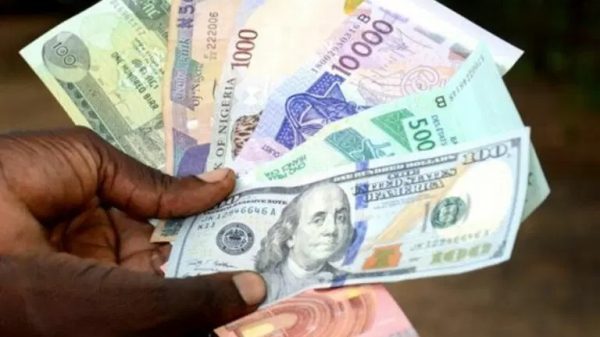



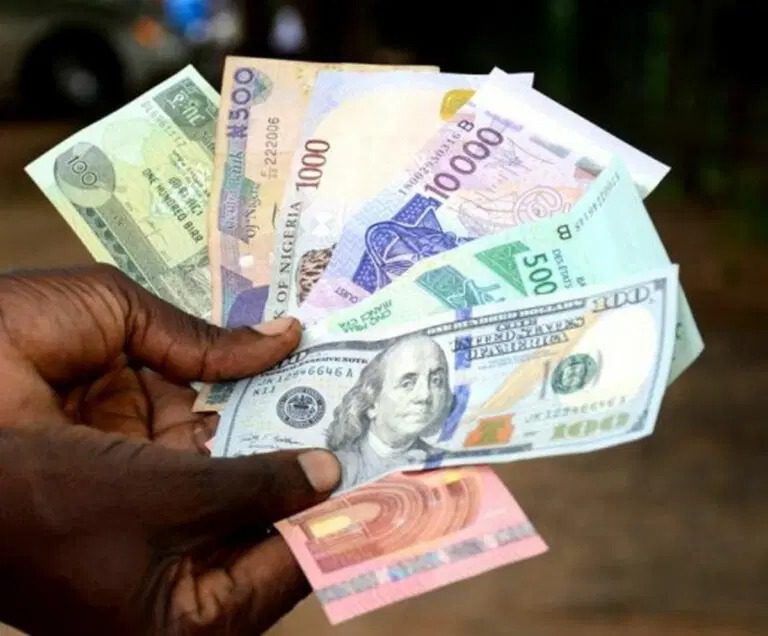
Nigeria’s foreign exchange landscape has recorded a significant boost, with net forex inflows jumping by 36.5 percent year-on-year to hit $33.76 billion during the first five months of 2026. This shows that it is a notable improvement from the $24.72 billion recorded during the corresponding period of the previous year, pointing to a strengthening financial buffer amid ongoing market interventions.
According to the latest monthly economic reports released by the Central Bank of Nigeria, the surge was largely driven by a combination of higher overall inflows and a marked drop in foreign exchange outflows. Aggregate forex inflows climbed by 8 percent to $50.05 billion over the five-month review window, compared to $46.34 billion previously. At the same time, total outflows fell sharply by 24.6 percent, dropping to $16.29 billion from $21.62 billion.
A closer look at the figures reveals that autonomous sources played a massive role in bolstering liquidity, accounting for the lion’s share of the inflow. Inflows through autonomous channels rose by 10.5 percent to $34.76 billion, up from $31.45 billion. Meanwhile, direct inflows through the central bank saw a modest increase of 2.75 percent, moving from $14.89 billion to $15.30 billion.
On the expenditure side, central bank forex outflows dropped significantly by 36.3 percent to $10.50 billion, down from $16.51 billion in the preceding year. However, autonomous outflows moved in the opposite direction, ticking up by 14.6 percent to $5.78 billion from $5.04 billion.
The net balance sheet for both channels ultimately turned out positive. Autonomous sources generated a net forex inflow of $28.97 billion, improving upon the $26.40 billion recorded earlier, while the central bank posted a net inflow of $4.80 billion, up from $4.29 billion.
Market watchers note that these numbers reflect the cumulative impact of recent monetary policy adjustments. Financial authorities have ramped up efforts to enhance transparency, improve price discovery, and encourage broader participation by authorized financial institutions, creating an environment that continues to attract vital foreign capital into the economy.