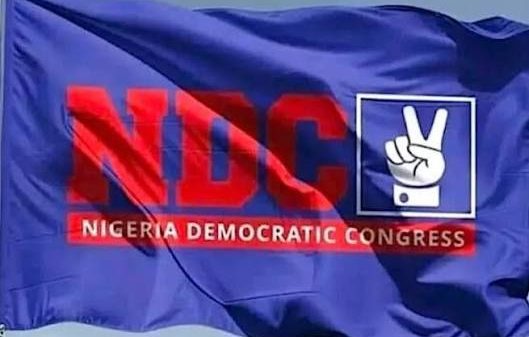














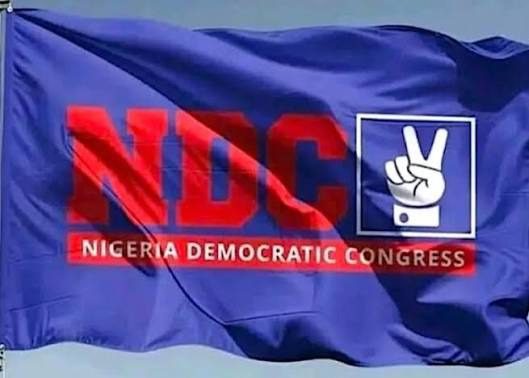
Fresh disagreement has emerged between the Nigeria Democratic Congress and groups backing its 2027 presidential ticket of Peter Obi and Rabiu Kwankwaso over the party’s move to register support organisations ahead of the general elections.
The latest dispute centres on the relationship between the NDC’s formal party structures and movements such as the Obi Kwankwaso Movement and Kwankwasiyya, which insist that their existing organisations should remain independent even while supporting the party’s candidates.
The NDC recently announced that it had commenced registration of support groups through its Directorate of Support Groups at the party’s national headquarters in Abuja. National Publicity Secretary Osa Director said the registration was free and warned state chapters against collecting money from groups seeking registration.
According to the party, registration of support groups falls exclusively under the national Directorate of Support Groups, meaning that state officers and other party officials are not authorised to conduct the exercise or demand payment from applicants.
The directive has, however, not been well received by some of the movements associated with the Obi Kwankwaso ticket.
The Director General of the OK Movement, John Ughulu, rejected the registration arrangement, maintaining that the movement was an independent political organisation with its own leadership and structures.
Ughulu argued that supporting the NDC’s presidential candidates did not mean handing over the movement’s organisational structure to the party. He said the movement would resist any attempt to undermine, absorb or dissolve its existing leadership and structures.
The disagreement comes against the background of an earlier dispute over a 59 member Presidential Campaign Council announced by the OK Movement. The NDC disowned the council, maintaining that support groups could not establish campaign structures that operate in place of the party’s authorised machinery.
Peter Obi has also weighed in on the matter, saying the NDC is the political party through which he is contesting the 2027 presidential election and that the OK Movement, Obidient groups and Kwankwasiyya should function as support organisations rather than assume the role of the party.
Kwankwasiyya Calls for Understanding
The Kwankwasiyya Movement has taken a less confrontational position, calling for understanding between the party and the various support groups.
Its spokesman, Habibu Muhammed, said some of the disagreements were understandable given that the NDC was still developing its structures as a relatively new political party.
He said the various movements ultimately shared the objective of supporting the Obi Kwankwaso ticket and should therefore be allowed to operate in an atmosphere that encourages cooperation rather than unnecessary confrontation.
Muhammed stressed that Kwankwasiyya had historically maintained its own identity and organisational structure regardless of the political party associated with its members or candidates.
He also pointed out that many supporters involved in the different movements were not necessarily members of the NDC but had chosen to support the presidential ticket.
According to him, this makes the relationship between the party and the support organisations more complex than simply placing all the groups under one structure.
He urged the NDC leadership to find common ground with the various movements, arguing that independent support organisations could contribute to grassroots mobilisation without necessarily becoming part of the formal party structure.
Muhammed also referred to support groups associated with other political parties, including the APC, as examples of organisations that maintain their identities while supporting candidates and political causes.
Obidient Movement Urges Focus on Election
The National Coordinator of the Obidient Movement Worldwide, Yunusa Tanko, called on the different groups to avoid disagreements that could distract from the 2027 election.
Tanko acknowledged the NDC as the platform on which Peter Obi is contesting and urged supporters to concentrate on activities that would advance the campaign rather than allow organisational disagreements to dominate the political conversation.
He said legitimate arrangements that could strengthen the campaign should be supported, while unnecessary disputes should not be allowed to create divisions among groups working towards the same political objective.
The current disagreement has therefore exposed a difficult question facing the NDC as it prepares for the 2027 election: how to coordinate a formal party structure alongside independent movements with their own leadership, membership and grassroots networks.
For the NDC, the emphasis is on maintaining a unified campaign structure and clear party authority. For the OK Movement, maintaining its organisational independence remains important even while supporting the party’s presidential ticket.
The Kwankwasiyya Movement, meanwhile, is calling for a middle ground that would allow the different groups to retain their identities while working together towards the same electoral objective.
With campaign preparations gathering momentum, how the NDC and the various support movements resolve the issue could shape the organisation and coordination of their activities ahead of the 2027 presidential election.
This version keeps the disagreement at the centre of the story without overstating the claims of either side, while giving the different groups room to explain their positions.