



































The survival of Nigerian airlines continues to face serious challenges, with high operating costs, multiple taxes and limited government support identified as some of the major factors behind the short lifespan of many carriers.
Basil Agboarumi, former Managing Director and Chief Executive Officer of Skyway Aviation Handling Company Plc and now Lead Consultant and CEO of The Onward Public Relations, said more than 100 Nigerian airlines have disappeared from the industry over the past four decades.
According to him, the average lifespan of a Nigerian airline between 2000 and 2020 was about five years, while more than 30 airlines have shut down within the last 25 years.
Several well known carriers, including ADC Airlines, Afrijet, Albarka Air, Bellview, Chanchangi, Sosoliso and Virgin Nigeria, are among those that have ceased operations.
Agboarumi said the challenges facing local airlines are largely linked to the cost of running an airline in Nigeria. He pointed to expensive aviation fuel, multiple taxes, foreign exchange pressures and the high cost of aircraft maintenance as major concerns.
Fuel alone, he explained, can account for between 35 and 40 percent of an airline’s revenue. A return flight between Lagos and Abuja can require about 8,000 litres of fuel, with the cost reaching approximately N8 million before expenses such as salaries and maintenance are considered.
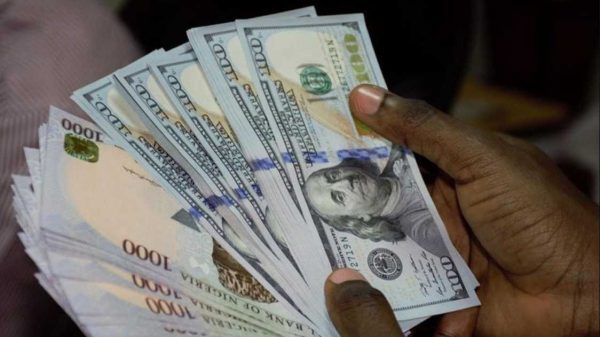
Foreign exchange pressures add another burden because important aviation expenses, including Jet A1 fuel and aircraft leases, are largely dollar denominated, while airlines generate most of their revenue in naira. A weakening naira therefore increases operating expenses while putting pressure on earnings.
Aircraft maintenance is another major challenge. Agboarumi noted that every aircraft requires a C check at certain intervals, with each major inspection potentially costing between $1 million and $3 million.
Because Nigeria has limited facilities for heavy aircraft maintenance, some aircraft have to be taken abroad for these checks. This creates additional foreign exchange expenses and can keep aircraft out of service for several weeks.
Despite the financial challenges confronting airlines, Agboarumi said Nigeria has maintained a strong aviation safety record. He noted that the country recorded only two fatal aviation accidents over the past decade, which he described as a strong safety performance within Africa.
He also pointed to Nigeria’s history with the United States Federal Aviation Administration. Nigeria attained Category One status in August 2010 and retained it in subsequent assessments in 2014 and 2017. The country has also undergone International Civil Aviation Organisation audits without Significant Safety Concerns or Significant Security Concerns being recorded.
Agboarumi explained that Nigeria was removed from the FAA’s Category One programme in September 2022 following a policy change affecting countries whose airlines had not provided indigenous air services to the United States or operated under a US carrier code within the required period.
He stressed that Nigeria’s removal was not based on aviation safety deficiencies but on the absence of a Nigerian airline operating services to the United States at the time. He therefore described the development as a commercial and diplomatic matter rather than a verdict on Nigeria’s safety oversight.
The aviation industry’s labour environment is another area he said requires attention. Agboarumi raised concerns about provisions in the Nigerian Civil Aviation Act 2023 that aviation unions have criticised as limiting certain labour rights, including the right to strike and picket.
He said labour relations in established aviation markets are generally structured around clear rules that balance workers’ rights with the need to keep airlines operating.
According to him, effective collective bargaining can protect workers, support safety standards and provide a clear process for resolving disputes. At the same time, he warned that poorly managed industrial action can disrupt airline operations, while excessive politicisation of unions could create further instability within the sector.
Agboarumi’s assessment highlights the difficult balance facing Nigeria’s aviation industry, where airlines must manage rising operational expenses and labour pressures while maintaining safety standards and remaining financially sustainable.