






































Oil prices declined on Monday as investors weighed fresh hopes of diplomatic engagement between the United States and Iran, easing some concerns over possible disruptions to crude supplies from the Middle East.
Brent crude fell by about 2.04 percent, or $2.12, to trade around $101.75 per barrel at the opening of the market, while US West Texas Intermediate crude dropped about $2.10 to $98.20 per barrel.
Both benchmarks moved closer to levels recorded more than a week earlier, with Brent and WTI reaching their lowest points since September 10 during Monday’s trading session.
The movement came as attention turned to the possibility of renewed US Iran discussions on the sidelines of the United Nations General Assembly in New York. Traders were also watching the recovery of Saudi crude shipments despite continued attacks and security concerns across the region.
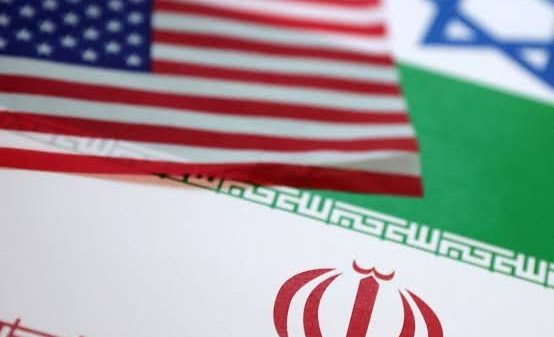
Fresh diplomatic signals from Tehran have added to expectations that negotiations could resume. Iran has reportedly communicated conditions through mediators under which it would consider returning to talks with Washington.
Iran’s Supreme National Security Council Secretary, Mohsen Rezaei, said Tehran had passed its conditions to the United States through Qatari mediators and was waiting for a response from President Donald Trump.
Among the conditions cited by Rezaei are an end to the conflict on all fronts, the release of frozen Iranian funds and the lifting of the US naval blockade. He also said Qatar and Pakistan were continuing efforts to help bring the two sides back to the negotiating table.
The possibility of renewed talks has reduced some of the supply risk premium that had supported higher oil prices in recent weeks. Trump, however, has continued to warn Tehran while indicating that he would be willing to meet Iranian President Masoud Pezeshkian, who is expected to attend the UN General Assembly in New York.
Tensions in the region have remained a major concern for energy markets. Recent developments involving Iran, Yemen’s Houthi rebels and Saudi Arabia have raised fresh questions over the safety of key shipping routes and the movement of crude supplies.
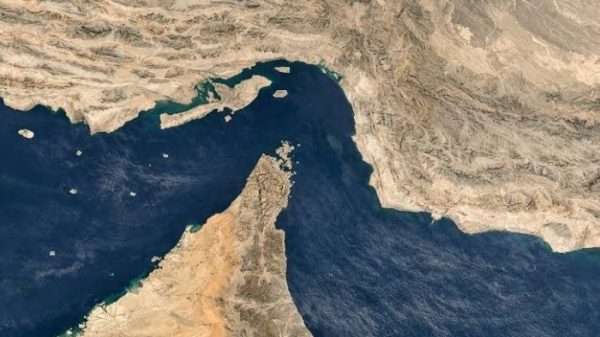
Earlier in September, Iran postponed a planned meeting with Gulf states concerning shipping through the Strait of Hormuz, citing developments in Yemen. Around the same period, Iran’s Persian Gulf Strait Authority sanctioned 77 vessels for allegedly violating its protocols.
Those developments contributed to a sharp rise in oil prices, with Brent moving towards $107 per barrel and WTI climbing above $102 as traders priced in greater supply risks.
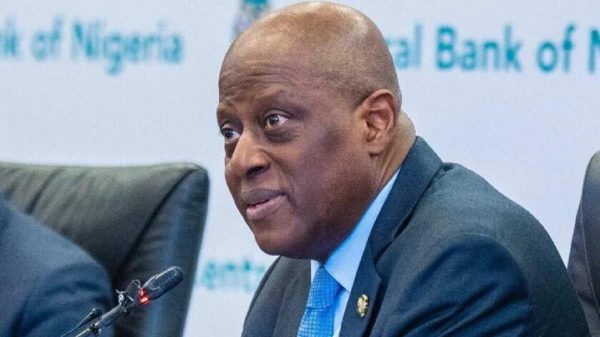
The latest decline in crude prices is also being watched closely in Nigeria, where petrol prices reached new levels last week. It remains unclear whether the fall in international oil prices will last long enough to ease pressure at the pump.
Market checks on September 13 showed petrol selling for between N1,400 and N1,430 per litre at many filling stations in Lagos, while MRS stations sold at N1,395. Prices in Abuja ranged from N1,400 to N1,450 per litre.
Nigeria’s energy inflation also increased to 4.69 percent in August 2026 from 4.40 percent in July. However, the August figures came before the latest petrol price increases in September, meaning their full effect has yet to appear in the official inflation data.