






































The Central Bank of Nigeria and the Federal Ministry of Finance have signed a Memorandum of Understanding on Monetary and Fiscal Policy Coordination aimed at improving economic management and strengthening cooperation between both institutions.
CBN Governor Olayemi Cardoso signed the agreement on behalf of the apex bank, while the Minister of Finance and Coordinating Minister of the Economy, Taiwo Oyedele, signed for the ministry.
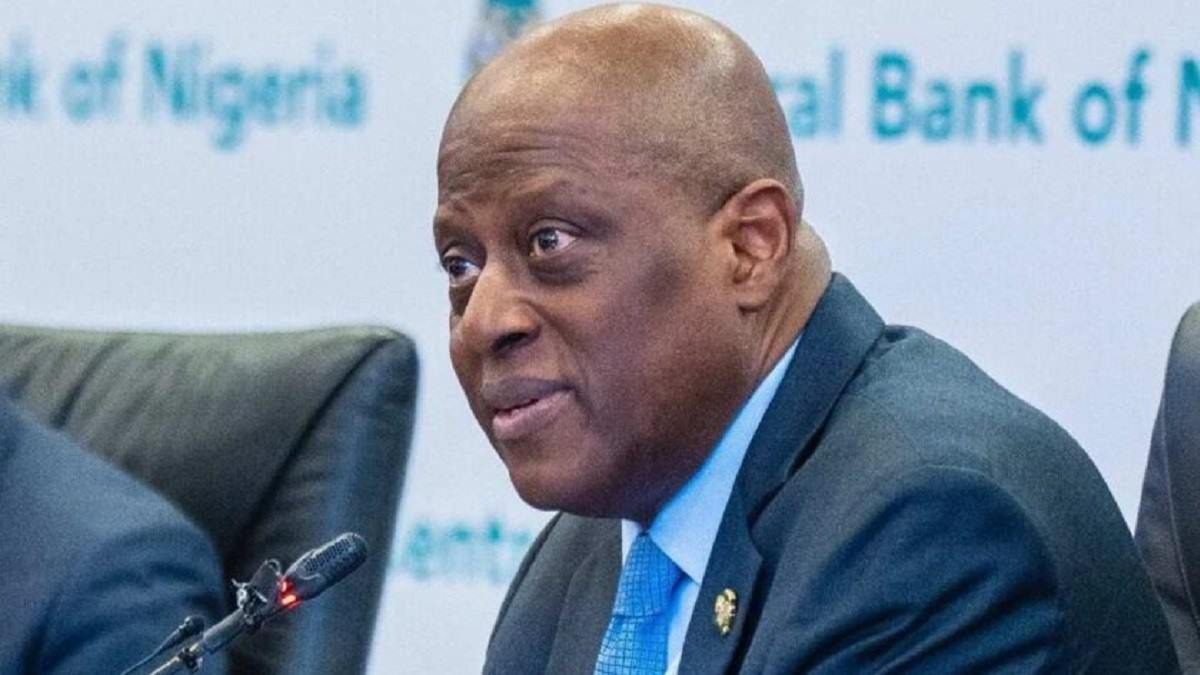
Speaking at the signing ceremony held at the CBN headquarters in Abuja, Cardoso described the agreement as a shared commitment to closer cooperation in managing the Nigerian economy and promoting long term economic stability.
He explained that fiscal and monetary policies are separate but closely connected tools of economic management. While fiscal policy influences economic activity through government spending, taxation and borrowing, monetary policy focuses on price stability and the soundness of the financial system through interest rates, liquidity and broader monetary conditions.
Cardoso said effective coordination between the two areas could produce stronger results than either policy working independently.
The CBN governor stressed that the MOU did not create a new relationship between the bank and the finance ministry, noting that both institutions have worked together for decades on major economic issues, including inflation, debt sustainability, budget financing, exchange rate stability, economic reforms and responses to domestic and global shocks.
What has changed, he explained, is that the agreement now provides a formal structure for consultation and information sharing instead of leaving such cooperation largely to the discretion of individual officials.
Under the agreement, both institutions are expected to strengthen cooperation in areas such as government cash management, debt issuance planning, liquidity forecasting, macroeconomic analysis and regular policy consultations.
Cardoso said the framework would make engagement between both institutions more predictable, improve decision making and reduce uncertainty when responding to emerging economic challenges.
He also noted that the agreement comes at an important time as the CBN continues its transition towards an Inflation Targeting framework. According to him, the success of such a system depends not only on effective monetary policy but also on a fiscal environment that supports price stability.
The MOU, he said, would provide a basis for developing the operational framework needed to support the transition. Regular dialogue, information exchange and coordinated policy assessments are expected to help both institutions align their actions, reduce policy conflicts and pursue shared economic objectives.
Oyedele, in his remarks, also emphasised the importance of cooperation while maintaining the separate responsibilities and autonomy of both institutions.
He said independent institutions should not operate in isolation, stressing that fiscal and monetary authorities may have different mandates but ultimately serve the same economy.
The finance minister pointed out that government borrowing can influence liquidity and interest rates, while monetary policy can affect government financing costs. He added that tariffs and exchange rates can influence prices and government revenue, while public spending can affect demand.
According to Oyedele, the MOU is intended to make existing institutional connections more deliberate and effective through improved information sharing, better alignment of economic assumptions, more consistent forecasts and clearer ways of addressing areas where fiscal and monetary policies may conflict.
He noted that existing platforms, including the Economic Management Team and National Economic Council, already provide avenues for economic coordination, while the CBN Act establishes the bank’s autonomy and provides for representation from the finance ministry within its governance structure.







