









































Dealing with persistent body odour can be deeply frustrating, especially when you step out of the shower feeling fresh only to notice an unpleasant smell by the afternoon. This common struggle rarely means you are skipping out on basic hygiene. More often than not, simply scrubbing harder or showering more frequently will not solve the issue. The real culprit isn’t the sweat itself, but rather how skin bacteria interact with the natural secretions your body produces throughout the day.
To truly get ahead of the problem, it helps to look at the biology of how body odour forms. The human body features different types of sweat glands, with apocrine glands concentrated around areas like the underarms and groin becoming particularly active around puberty. While the watery fluid from typical sweat glands is mostly odourless, skin bacteria break down the richer secretions from apocrine glands, creating noticeable odours in the process. This explains why certain areas of your body are prone to smelling while others are not, and why regular soap and water only offer temporary relief before your normal skin microbiome begins to repopulate.
Beyond skin bacteria, everyday habits and environmental factors play a massive role. Synthetic fabrics are notorious for holding onto trapped sweat across multiple wears, and even underarm hair can retain secretions if not properly managed. Diet also leaves its mark, as foods like garlic, onions, curry, and alcohol can subtly alter your natural scent. Furthermore, the local climate here in Nigeria, marked by intense heat and humidity, means you are constantly transitioning between warm environments, giving bacteria plenty of fuel to break down fresh sweat throughout the day.
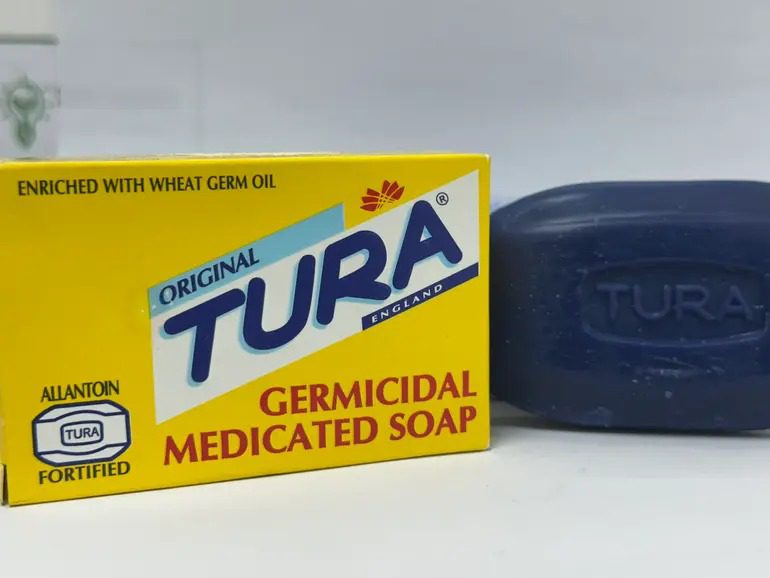
When standard hygiene routines fall short, incorporating a targeted product can make all the difference. Dermatology guidance for managing troublesome body odour, medically known as bromhidrosis, often points toward antiseptic cleansers, antiperspirants, and strategic clothing choices. This is where specialized options like Tura Medicated Soap come into play, formulated with antibacterial ingredients like triclosan alongside skin-soothing allantoin and vitamin E to help protect against odour while cleansing. Technique matters just as much as the product you choose; working the soap into a rich lather and letting it sit briefly on the skin before rinsing allows the ingredients to do their job properly.
Of course, a medicated soap is only one piece of the puzzle. Because antibacterial cleansers target bacteria rather than stopping sweat production itself, individuals dealing with heavy sweating often need to pair their routine with an effective antiperspirant or deodorant. Additionally, keeping underarm hair trimmed, promptly washing worn garments, and ensuring your skin is completely dry after a shower help eliminate the breeding grounds where microorganisms thrive. Shoppers looking to upgrade their daily regimen can find Tura Medicated Soap available at stores like The Diva Shop.
While most everyday odours respond well to these lifestyle and product adjustments, there are moments when a sudden change deserves professional attention. If you notice a shift in your scent without changing your routine, experience a generalized odour rather than concentrated underarm smells, or encounter unusual symptoms like changes in your breath or urine, it is wise to consult a healthcare provider. Persistent body odour can occasionally point toward underlying metabolic conditions, medications, or excessive sweating disorders that require more than just a new soap to manage.







