



































The African Democratic Congress has stepped up its ground game in Sokoto State ahead of the 2027 governorship race, saying about 40,000 young people turned out for solidarity rallies in Sokoto North and Kware local government areas.
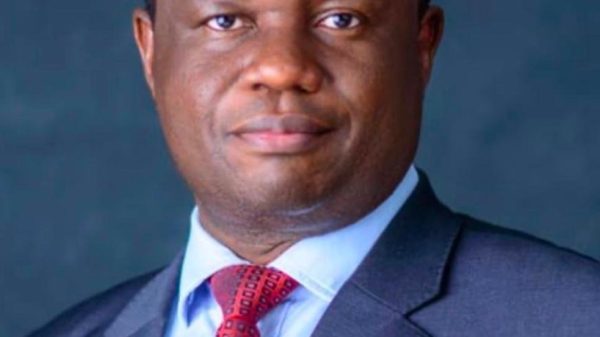
ADC governorship hopeful Hon. Manir Muhammad Dan’iya put the Sokoto North crowd at 30,000 and the Kware turnout at 10,000. In a statement issued through his media aide, Aminu Abdullahi, he thanked youths, women, elders and other supporters, calling the show of numbers a sign that more people are paying attention as the contest draws closer.
He said he was humbled by the backing and that people came out of their own will, which to him points to a shift in how politics is being felt in Sokoto. The former deputy governor asked young people to turn that energy into calm, responsible involvement at the polls. He named security, jobs, education, small business, health, water and broader economic growth as the issues he will take across all 23 local government areas.
Dan’iya also urged his camp to carry the party’s message into homes, neighbourhoods and wards without violence, threats or bad blood. The worth of the movement, he said, should not rest only on how big the rallies look, but on the quality of the ideas, the discipline of those who follow him, and a genuine push for a better Sokoto.
He emerged as the ADC candidate in May 2026. Governor Ahmed Aliyu is the All Progressives Congress candidate. The party has named former Sokoto PDP chairman Bello Aliyu Goronyo as director-general of its campaign, as it tries to put a fuller structure on the ground.
The Independent National Electoral Commission has fixed the Sokoto governorship vote, together with the state House of Assembly elections, for 6 February 2027. Dan’iya said the latest rallies should be judged not only by how many people showed up, but by whether the campaign can talk to voters, offer workable answers and keep grassroots work peaceful. He thanked those who came out and said their support had hardened his resolve to seek what he called a safer, more prosperous and more dignified Sokoto.