

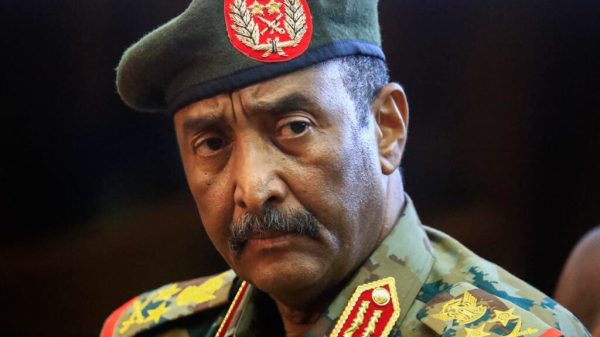

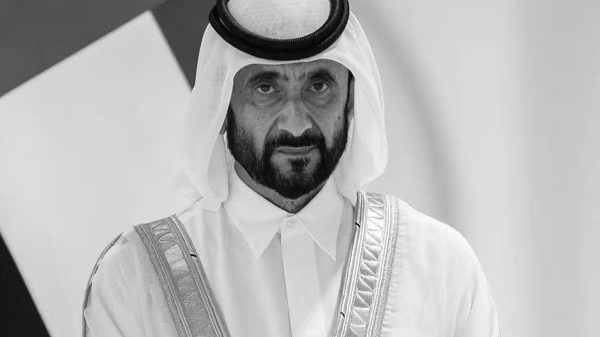


























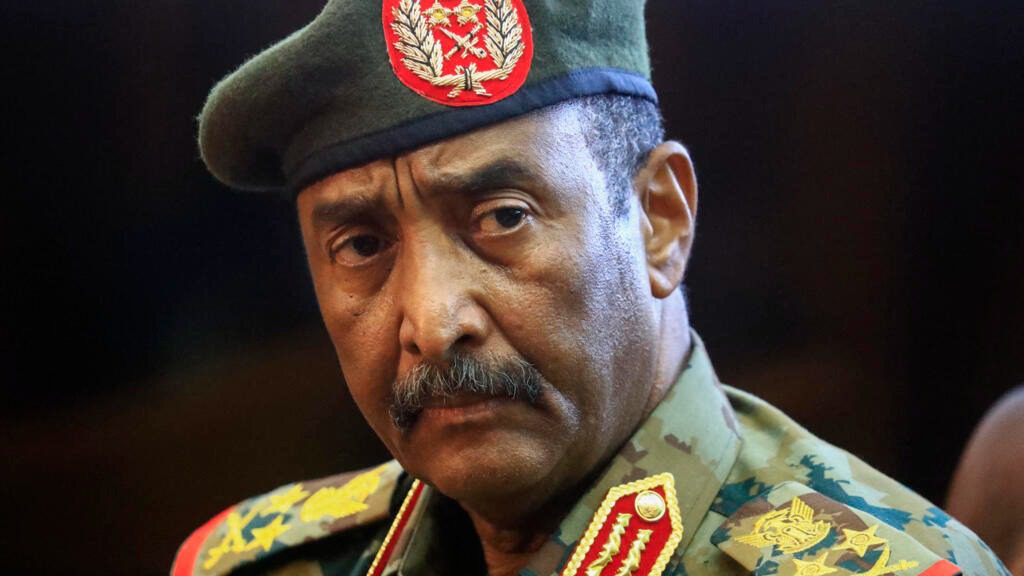
Sudan’s Transitional Sovereignty Council chief and army commander, Abdel Fattah al Burhan, has outlined a plan he says could bring the country’s war to an end and prevent a return to fighting after any future ceasefire.
At the centre of his proposal is a Sudanese led peace process that would lead to a lasting ceasefire, the creation of a single national army and an internal political dialogue to determine the country’s future system of government.
Al Burhan said international involvement should support the peace process through monitoring and assistance, but should not dictate the terms of a political settlement. He argued that previous ceasefire efforts led from outside Sudan had failed to produce lasting peace.
According to his proposal, a ceasefire must do more than temporarily stop the fighting. It should create conditions for the removal of fighters and weapons from civilian areas, with United Nations support and oversight, before the country moves towards a wider political settlement.
A major part of Al Burhan’s position is his rejection of treating the Rapid Support Forces as an equal political or military partner to the Sudanese state. He maintains that the state and the RSF do not have the same legal or political status and opposes any settlement that, in his view, would give the RSF leadership political legitimacy.
Al Burhan has also insisted that Sudan cannot achieve lasting stability while parallel armed forces remain outside the control of a national military structure. He wants security after the ceasefire to be based on one national army under civilian supervision.
His position comes as Sudan continues to face the consequences of the conflict between the Sudanese Armed Forces and the RSF. The United Nations has documented serious violations during the RSF offensive that led to the capture of El Fasher in October 2025, including killings, sexual violence, abductions, torture and other abuses against civilians.
Al Burhan argues that the events in El Fasher show the danger of allowing a ceasefire to become an opportunity for either side to regroup and rearm. He has also called for the international community to address what he describes as external funding and supply networks supporting the RSF.
On the political front, Al Burhan is calling for a Sudanese dialogue through which citizens would determine the country’s post war political arrangements. He wants the next constitution to be prepared inside Sudan rather than imposed from outside, followed by free and fair elections monitored internationally.
The proposal builds on recent efforts to promote an internal Sudanese political dialogue. In August, Al Burhan held consultations with political and civil society figures as part of efforts to create the conditions for a broader Sudanese dialogue conference.
Al Burhan has also said he has submitted a plan to the United Nations Security Council for a permanent ceasefire and a transition towards civilian inclusive governance.
As the United Nations General Assembly meets, he is asking the international community to support the proposed ceasefire plan, cut funding and supply routes to the RSF, assist the United Nations in monitoring any agreement and allow Sudanese citizens to determine their own political future.
His broader argument is that lasting peace must be shaped inside Sudan, with international support focused on helping to implement and sustain an agreement rather than determining its political outcome.