

























Climate change is increasingly putting pressure on livelihoods, infrastructure and regional stability across West Africa, with experts calling for stronger cooperation and practical measures to help communities cope with its growing effects.
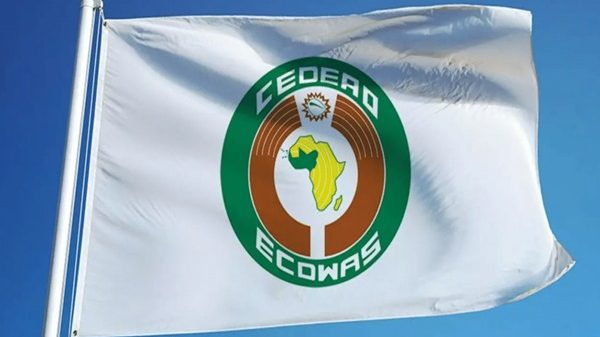
The concerns were raised during the Second Extraordinary Session of the ECOWAS Parliament and the Second Parliamentary Seminar in Accra, Ghana. The seven day gathering, which began on September 21, is focused on climate change as a driver of environmental degradation, population displacement and rising insecurity across the ECOWAS region.
Experts at the meeting pointed to rising temperatures, extreme heat, drought, changing rainfall patterns, flooding, rising sea levels and land degradation as some of the major climate related threats confronting the region.
Opening the proceedings, Speaker of the ECOWAS Parliament, Hadja Memounatou Ibrahima, urged lawmakers to look beyond statistics and consider the human consequences of climate change.
She noted that climate disruption was already being felt through declining agricultural productivity, retreating coastlines, flooded communities, loss of livelihoods and the displacement of families. She called on parliamentarians to connect technical knowledge with the realities facing people in their respective communities.
Speaking on climate risks and their implications for regional stability, Dr Derek Sarfo Yiadom, Senior Programme Officer at Ghana’s Environmental Protection Authority, said climate hazards were no longer distant threats but realities affecting communities across West Africa.
He identified extreme heat, drought, heavy and unpredictable rainfall and rising sea levels among the growing concerns. According to his presentation, seasonal temperatures across the region have increased by between one and three degrees Celsius since 1970, contributing to hotter conditions and increasingly unpredictable weather patterns.
Dr Sarfo Yiadom explained that a climate hazard can become a disaster when exposed communities do not have enough capacity or resources to cope with its effects.
He said changing rainfall patterns were increasing flood risks, while drought and extreme heat were putting additional pressure on farming and other livelihoods. Farmers, low income communities, coastal settlements and displaced populations were identified as particularly vulnerable.
The effects are also being felt across critical infrastructure, including homes, irrigation systems, electricity networks, transport routes, ports, markets and public services.
Beyond its environmental impact, Dr Sarfo Yiadom said climate change was creating wider social and economic challenges. He called for greater investment in adaptation measures, better climate risk mapping and flood resistant planning in vulnerable areas.
He also stressed the importance of ensuring that early warning systems reach communities most at risk, while public authorities maintain accountability in the use of funds allocated to climate related programmes.
Another presentation by Raoul Kouame, Principal Officer for Climate Change and Climate Services at the ECOWAS Commission, focused on the need to turn regional climate commitments into practical action.
Kouame said ECOWAS needed to harmonise climate policies and standards across member states while helping countries implement their commitments under the Paris Agreement. He identified institutional fragmentation, differences in national capacity and difficulties in accessing climate finance as some of the obstacles slowing progress across the region.
He called for closer coordination between regional and national institutions, as well as greater sharing of knowledge and experience among member states. He also advocated stronger links between national climate frameworks and regional structures to improve implementation.
Dr Abdou Ali, a climate, water and meteorology expert with the Permanent Inter State Committee for Drought Control in the Sahel, CILSS, also stressed the need for countries to work together because many climate risks extend beyond national borders.
His presentation focused on drought, land degradation, food insecurity and wider resource pressures affecting West Africa. He called for member states to share climate information, data, technical knowledge and climate services to improve their ability to respond to common threats.
The discussions have placed regional cooperation, climate adaptation, access to finance and stronger institutions at the centre of efforts to address the growing environmental pressures facing West Africa.
For the ECOWAS Parliament and the experts taking part in the discussions, the focus is increasingly on turning climate commitments into practical measures capable of protecting livelihoods, strengthening community resilience and reducing the risks associated with environmental change.