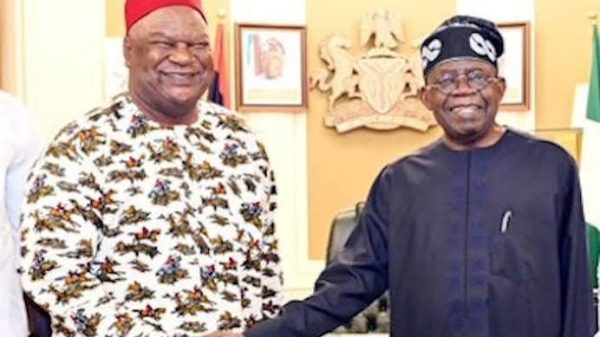

















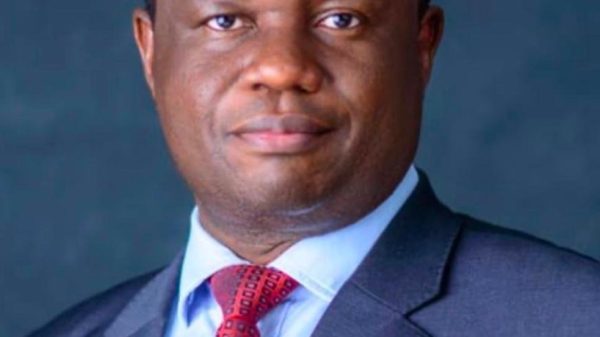
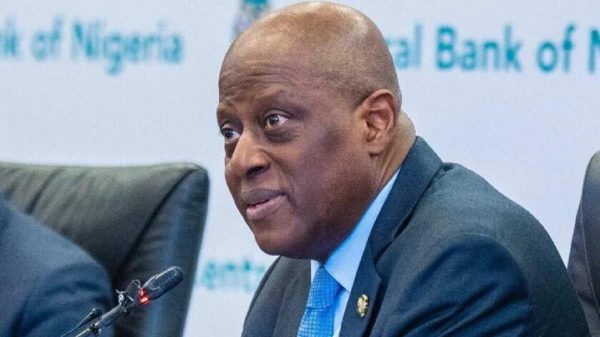



Former Senate President, Pius Anyim Pius, has stepped forward to defend President Bola Tinubu’s decision to skip the United Nations General Assembly in New York, pointing out that citizens are well aware the nation’s leader is currently observing a well-deserved break.
Speaking during an exclusively on ARISE NEWS’ Prime Time on Monday evening, the former Secretary to the Government of the Federation maintained there is nothing extraordinary about Vice President Kashim Shettima stepping in to fly the country’s flag at the global summit. He expressed surprise at the wave of public debate surrounding the trip, stressing that constitutional provisions clearly empower the Vice President to handle such high-level international engagements.
Anyim emphasized that the annual UN gathering goes far beyond the main assembly hall, noting that a significant portion of the work happens during bilateral and multilateral side meetings. According to him, unless the President had critical, pre-scheduled face-to-face engagements that demanded his personal presence, having the Vice President or even the Minister of Foreign Affairs deliver the national address is standard practice. He added that reading the country’s official statement on the global stage is a task perfectly suited for the second-in-command.
Addressing speculation regarding a missed opportunity to cross paths with American leadership, Anyim dismissed notions that such encounters happen by chance. High-level diplomatic meetings with the President of the United States are meticulously arranged months in advance, he explained, meaning casual seating arrangements at the summit hold little weight in actual statecraft.
Closing his remarks, the seasoned politician reminded critics that President Tinubu is hardly the first global leader to opt out of the New York event. With numerous heads of state routinely delegating attendance to senior members of their administrations, Anyim urged critics to view the situation through a practical lens rather than manufacturing unnecessary political tension.