


















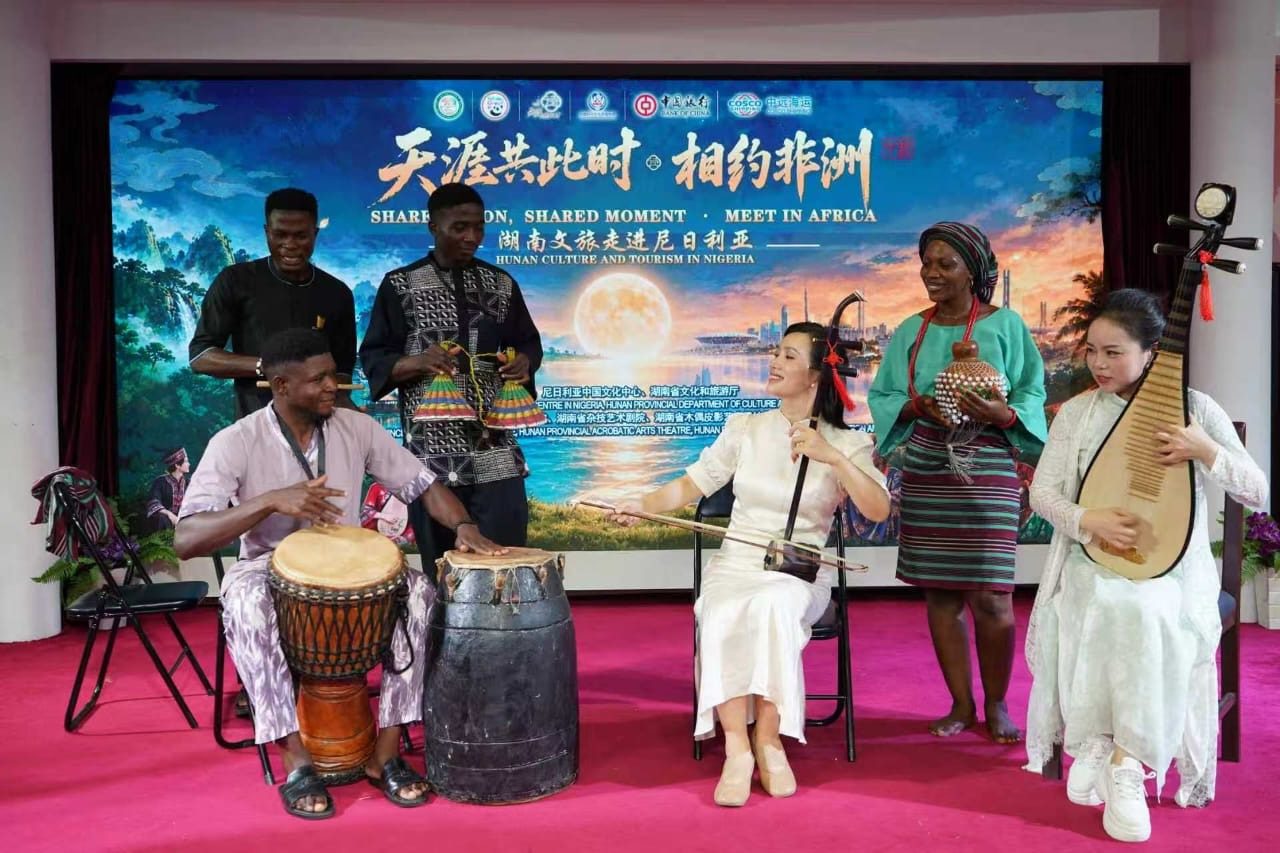
The Embassy of the People’s Republic of China in Nigeria, alongside the China Cultural Centre in Nigeria, has celebrated the Mid Autumn Festival in Abuja, using the occasion to highlight the cultural similarities and growing friendship between China and Nigeria.
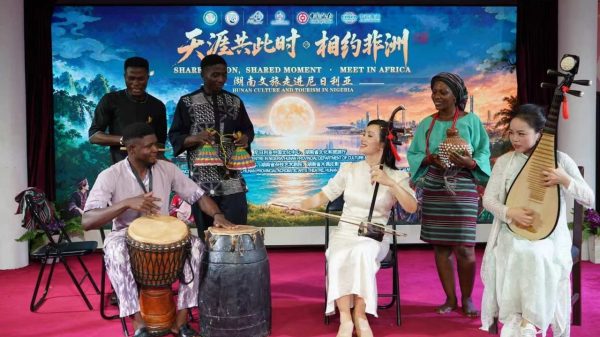
The event, held on Thursday under the theme “Shared Moon, Shared Moment, Meet in Africa, Nigeria,” brought together cultural representatives and performers from Nigeria and China, including a delegation from Hunan Province.
Speaking at the gathering, Yang Jianxing, Cultural Counsellor of the Chinese Embassy and Director of the China Cultural Centre in Nigeria, described the Mid Autumn Festival as one of the most important celebrations in Chinese culture.
He explained that the festival represents values such as family, reunion, harmony and the desire for peace, noting that these ideals are also deeply reflected in Nigerian traditions.
“Although China and Nigeria are thousands of miles apart, our shared appreciation of family, friendship and a better life brings our hearts closer together,” he said.
The celebration featured colourful cultural performances by groups from Nigeria and Hunan Province, offering guests an opportunity to experience elements of both countries’ artistic and cultural traditions.
Yang said the performances provided a meaningful platform for Nigerians, members of the Chinese delegation and the wider Chinese community in Abuja to learn more about each other’s cultures.
He also encouraged more Nigerians to visit Hunan Province to experience its cultural heritage and the hospitality of its people. According to him, increased cultural exchanges could further strengthen relations between Hunan and Nigeria, particularly between Hunan and Abuja.
He stressed that continued interaction through culture and the arts would help bring the people of both countries closer and contribute to the deepening of the China Nigeria comprehensive strategic partnership.
Representing the Permanent Secretary of the Federal Ministry of Arts, Culture and the Creative Economy, Abdulkarim Ozi Ibrahim, Musa Alhamdu welcomed the Hunan delegation to Nigeria and described the programme as a reflection of friendship, shared humanity and mutual understanding between the two countries.
He said culture has a special ability to connect people across language, geography and other differences, allowing communities to discover the values and experiences they have in common.
According to him, music, dance, theatre, acrobatics, puppetry, traditional arts and other forms of creative expression provide important ways for countries to preserve their heritage while sharing their stories with the rest of the world.
He described the event as more than a cultural performance, saying it represented a celebration of Nigeria China friendship, cultural diversity, mutual respect and people to people exchange.
Ibrahim noted that Nigeria, like China, has a rich and diverse cultural heritage built on centuries of tradition. From indigenous music, dance and theatre to visual arts, festivals, crafts, fashion, film, literature and the wider creative industries, he said Nigeria continues to develop its cultural identity while remaining connected to its history.
He said this diversity provides a strong foundation for greater cultural cooperation between Nigeria and China.
The Permanent Secretary further stated that Nigeria views the creative economy as an important part of national development, with the potential to support employment, tourism, investment and stronger international cultural relations.
He added that cultural cooperation with China could create opportunities beyond artistic exchanges, including creative partnerships, tourism, skills development and new avenues for young Nigerians to participate in the global creative economy.
The Abuja celebration therefore served as another platform for cultural engagement between Nigeria and China, bringing people from both countries together through music, performance, heritage and shared values.