
































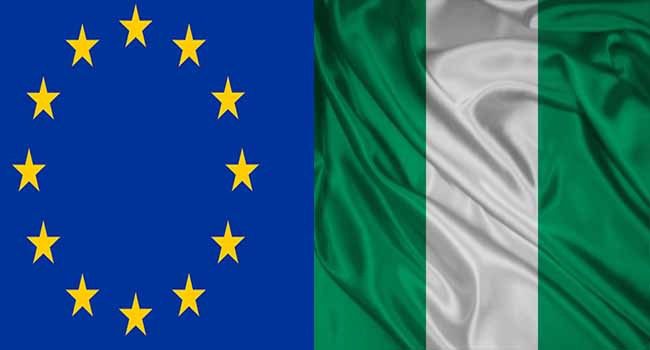
Nigeria and the European Union are working to conclude a long standing agreement on migration, as both sides seek to deepen cooperation on the movement of people, returnees and legal migration opportunities.
The matter was discussed on Monday, September 21, 2026, when Nigeria’s Minister of Foreign Affairs, Ambassador Bianca Odumegwu Ojukwu, met with the EU Commissioner for Internal Affairs and Migration, Magnus Brunner, on the sidelines of the 81st United Nations General Assembly in New York.
The proposed EU Nigeria Re Admission Agreement, which was initiated in 2016, has remained under discussion for years. It was also extensively considered during the 8th Nigeria EU Ministerial Dialogue held in March 2026.
Brunner stressed the importance of completing the agreement, saying its conclusion would provide a stronger framework for wider cooperation between Nigeria and the EU on migration.
Ojukwu, however, emphasised that any migration arrangement should also take Nigeria’s development priorities into account. She called for reintegration support for Nigerians who return home, assistance for infrastructure development and wider legal pathways for Nigerians seeking opportunities abroad.
The minister also stressed the need for structured and lawful mobility opportunities, particularly given Nigeria’s large and youthful population. She said migration cooperation should be designed in a way that supports Nigeria’s interests rather than weakening its development prospects.
The EU delegation said Nigeria’s concerns had been reflected in the proposed framework. It also outlined plans for broader Migration and Security Cooperation covering talent partnerships, legal migration pathways, returnee reintegration, border management and support from the European Border and Coast Guard Agency, known as Frontex.
Both sides are also expected to explore arrangements for information sharing with Europol as part of efforts to strengthen Nigeria’s ability to tackle transnational organised crime.
Brunner said the EU was particularly interested in developing legal migration opportunities through talent partnerships. He noted that such arrangements could help Europe address skills shortages while opening new opportunities for Nigerian professionals.
The Commissioner also said properly structured legal pathways could help address concerns surrounding brain drain by creating more organised channels for Nigerians to work abroad.
The meeting further addressed irregular migration, with Brunner stressing the importance of stronger cooperation in tackling illegal movement while creating more opportunities for lawful migration.
The EU Commissioner is expected to continue discussions with Ojukwu during a proposed visit to Abuja in November 2026. The exact date of the visit is expected to be agreed upon by both sides.