
























Five weeks after the Independent National Electoral Commission lifted restrictions on campaign activities for the 2027 general elections, political parties are yet to fully embrace the traditional campaign style of rallies, road shows, jingles and large public gatherings.
The campaign window for presidential and National Assembly candidates opened on August 19, 2026, while campaigns for governorship and State House of Assembly candidates commenced on September 9.
Despite the commencement of the official campaign period, the political atmosphere remains relatively subdued in many parts of the country. Several parties are still dealing with internal disagreements, legal disputes and questions over the composition of their campaign structures, while some appear to be exploring less conventional ways of reaching voters.
The change in approach cuts across several major political parties, including the All Progressives Congress, African Democratic Congress, Peoples Democratic Party, Labour Party and the newly formed Nigeria Democratic Congress.
A source within the ADC said the traditional podium campaign was becoming less attractive to political parties because of the financial and organisational demands involved. The source also suggested that economic pressures were influencing how parties were planning their campaigns.
The NDC has also faced disagreements over the composition of its campaign structure, particularly concerns surrounding the roles of supporters associated with Peter Obi and Rabiu Kwankwaso. A purported presidential campaign council list bearing Obi’s name circulated recently but was subsequently disowned by the party.
The ADC, meanwhile, has moved further in establishing its campaign structure after its presidential candidate, Atiku Abubakar, announced a team led by Kashim Ibrahim Imam. Other opposition parties are still working on their respective structures.
The situation has raised questions about how quickly the parties can translate their formal campaign calendars into sustained activity at the grassroots.
Low Morale at the Grassroots
Political analyst and public commentator Olasijibomi Daniels attributed part of the slow start to the wider economic situation, arguing that the cost of organising political activities has become a major concern for parties and their supporters.
According to him, the formal lifting of the campaign restriction does not automatically translate into active campaigning when parties are still resolving internal organisational matters.
He also argued that the cost of transportation, logistics and other campaign activities could make the traditional campaign model more difficult to sustain than in previous election cycles.
Some grassroots party members who spoke also said they were waiting for campaign funds before beginning extensive mobilisation within their wards.
An ADC member from Gwagwalada Area Council in the Federal Capital Territory said grassroots coordinators were prepared to begin mobilisation but needed financial support from the party to carry out the assignment effectively.
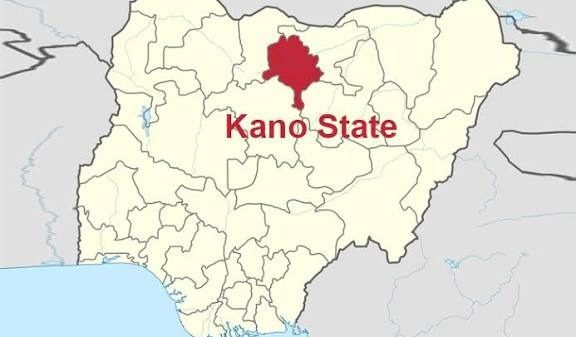
A ward coordinator of the APC in Kano expressed a similar position, saying grassroots structures remained essential to any campaign strategy regardless of whether the party eventually adopted traditional rallies or a different model.
The coordinator said party members at the ward level were waiting for clearer direction and resources before beginning large scale mobilisation.
The comments reflect a wider debate over whether the 2027 campaigns will rely as heavily on rallies and public gatherings as previous election cycles or place greater emphasis on direct community engagement, digital platforms and smaller meetings.
Opposition Parties Still Working Through Internal Challenges
Political commentator Asimi George said opposition parties were facing additional difficulties because of disagreements over how best to challenge the APC.
He argued that several opposition parties and political groups had yet to reach a common understanding on issues surrounding candidate selection, alliances, zoning and campaign coordination.
An ADC chieftain also described the situation as a difficult one for opposition parties, noting that disagreements over leadership positions within campaign structures could delay wider mobilisation.
The positions, however, differ from party to party, with some opposition organisations insisting that their campaigns are already underway in different forms.
APC Says Grassroots Mobilisation Is Already Underway
The APC has rejected the suggestion that it is yet to begin campaigning.
National Chairman Nentawe Yilwatda recently said the party had reviewed its structures across the country and was prepared for the 2027 elections. He said the review covered the national, state, local government and ward levels, extending down to polling units.
The party has also maintained that political activities are already taking place at the grassroots and that it does not need to wait for a formal national campaign launch before engaging voters.
According to the APC, its approach involves strengthening existing structures, engaging communities and taking its political message directly to the people.
Recent activities by the party have included grassroots mobilisation initiatives and the inauguration of campaign structures in some states. In Ogun State, for instance, the APC inaugurated a campaign council and directed members to take its message into communities, markets, workplaces and neighbourhoods.
NDC Promotes Town Hall Meetings
The NDC has also indicated that its campaign activities are already taking place, although they may not resemble the large rallies traditionally associated with Nigerian election campaigns.
Party officials said the party had been holding town hall meetings and other engagements with communities in different states.
The party pointed to meetings already held in Rivers, Delta and Sokoto, with further engagements planned in other parts of the country.
The approach reflects the argument within some political circles that smaller, direct engagements may become a more prominent feature of the 2027 campaign season.
Labour Party Still Fine Tuning Campaign Structure
The Labour Party, meanwhile, said it was still working on its campaign organisation ahead of a more extensive rollout.
The party’s spokesman, Ken Asogwa, said the presidential campaign was expected to begin more actively in October as the party fine tuned its campaign organogram and prepared its structures for the campaign trail.
SDP Plans Wider Campaign Rollout
The Social Democratic Party has taken a different route by beginning its presidential campaign activities through the presentation of its 2027 policy blueprint.
The party unveiled its “Farewell to Poverty and Insecurity” policy document in Abuja in September, outlining its proposed approach to governance, security, economic opportunity and national development.
The SDP said further presentations of the document would take place across the six geopolitical zones as part of its wider engagement with Nigerians.
Its National Publicity Secretary, Araba Rufus Aiyenigba, also said the party’s Presidential Campaign Council would be unveiled and inaugurated as preparations intensify.
The party said its strategy would combine direct consultations and community engagement with more conventional campaign activities, including rallies, road shows and campaign tours.
With the 2027 election campaign season now formally underway, political parties are gradually defining how they intend to connect with voters. While some are preparing for large scale rallies and conventional campaign events, others are leaning towards town hall meetings, direct consultations, digital communication and grassroots mobilisation.
For ward coordinators and other grassroots organisers, however, the effectiveness of whichever strategy the parties eventually adopt will depend largely on how quickly campaign structures are activated and the resources required to operate them are made available.
The rewrite keeps the competing party positions distinct and avoids presenting any party’s campaign claims as independently established facts. Recent reporting also confirms that the APC says its structures are already active while other parties have been working through campaign council and organisational issues.