



































Ethiopian Prime Minister Abiy Ahmed and Djibouti President Ismaïl Omar Guelleh have described Dangote Group’s $660 million Damarjog Dewele Oil Terminal and Pipeline Project as a major investment that could strengthen trade, improve energy security and support economic growth across the Horn of Africa.
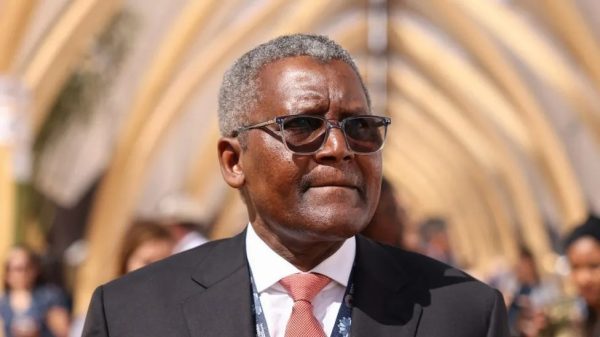
The two leaders spoke during the groundbreaking ceremony for the project at the Damerjog Industrial Development Free Trade Zone in Djibouti, where they praised African industrialist and Dangote Industries Limited President and Chief Executive, Aliko Dangote, for investing in what is expected to become an important regional energy infrastructure project.
The development includes a 120 kilometre multiproduct pipeline connecting marine and coastal storage facilities at Damarjog in Djibouti with inland storage and distribution facilities at Dewele in Ethiopia.
When completed, the pipeline is expected to provide a more efficient route for transporting refined petroleum products into Ethiopia, improve supply reliability and support the country’s growing energy needs.
President Guelleh said the project fits into Djibouti’s plans to strengthen its position as a major logistics, industrial and energy hub in Africa.
He said the investment would increase economic activity around the country’s ports, attract additional investments and create thousands of direct and indirect jobs.
“This project is not merely infrastructure; it is an investment in the future prosperity of our region,” Guelleh said, adding that the partnership demonstrates the potential of African businesses to provide solutions to challenges facing the continent.
Prime Minister Abiy described the pipeline as an important development for Ethiopia’s energy security and industrialisation plans.
He said reliable access to petroleum products is essential to the country’s continued economic expansion and noted that the new infrastructure would help reduce supply chain weaknesses and transportation bottlenecks.
According to Abiy, improved fuel distribution would benefit several areas of the economy, including aviation, transportation, agriculture, manufacturing and construction. He also said the project could reduce losses associated with long distance transportation while improving efficiency across the petroleum supply network.
The Ethiopian leader further linked the project to the longstanding economic relationship between Ethiopia and Djibouti, saying improved infrastructure would strengthen regional cooperation and create opportunities for shared economic development.
Speaking at the ceremony, Dangote said the project reflects his group’s wider effort to invest in infrastructure capable of supporting Africa’s economic growth and reducing dependence on imports.
He said Djibouti would benefit from increased port activity, higher revenues and new employment opportunities, while Ethiopia would gain a more dependable supply of refined petroleum products and fewer logistics challenges.
The Djibouti corridor is currently one of Ethiopia’s most important routes for imports and exports, including petroleum products. Dangote said the pipeline would make the movement of petroleum products safer and more efficient by reducing reliance on long distance tanker transportation.
The project is also expected to generate employment during both construction and operation, while creating opportunities for local contractors, suppliers, transport operators and communities along the corridor.
The Damarjog Dewele project forms part of Dangote Group’s broader Vision 2030 strategy, through which the company plans to invest $50 billion across Africa in industrial and energy infrastructure.
Dangote said the group remains focused on supporting local production and helping African countries reduce their dependence on imported products.
“Our vision is to support African countries in becoming self sufficient in products for which they possess the raw materials, market demand, and strategic necessity,” he said.
The pipeline project adds to Dangote Group’s growing presence in Africa’s energy and industrial sectors, following major investments including the Dangote Petroleum Refinery and other infrastructure projects across the continent.