






































Nigeria has officially shifted from being a mere consumer of foreign technology to an exporter of critical infrastructure expertise. This transition follows the recent decision to adopt Nigeria’s own Public-Private Partnership model as the foundation for a massive three point one billion dollar customs modernization drive under the African Continental Free Trade Area. This continental agreement aims to deploy the Nigerian-developed system across roughly fifty member countries, supporting a single trade market that serves over one billion people.
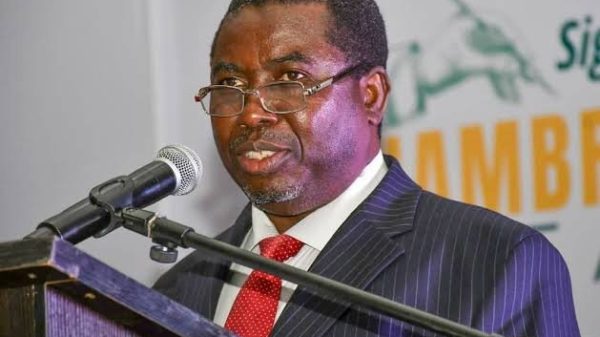
The Infrastructure Concession Regulatory Commission believes this move highlights the growing maturity of Nigeria’s regulatory framework. During a recent oversight visit, the commission’s Director-General, Jobson Oseodion Ewalefoh, noted that the success of the local customs initiative proves that indigenous talent can produce solutions that compete on the world stage. The technology in question, now central to national digital operations, was built entirely by Nigerian engineers. Zoyols News learned that the project was originally a presidential initiative, representing a significant commitment to using private-sector capital to drive essential public reforms.
Getting to this point required overcoming significant institutional inertia. Ewalefoh recalled that the project faced intense skepticism during its early stages, with many questioning both the viability of the plan and the capacity of the private partners involved. However, the successful integration of private-sector efficiency into the Nigeria Customs Service has since silenced those doubts. The current administration has seen a marked improvement in revenue collection and operational efficiency, proving that when these partnerships are properly structured, they deliver results that benefit the public interest without requiring the government to take on new, burdensome debt.
The broader implications for the country are substantial. As Nigeria pushes toward its target of becoming a one trillion dollar economy, the commission views this export of technology as a vital blueprint. By proving that a Nigerian company can successfully lead a multi-billion dollar trade project, the nation is positioning itself as a leader in regional infrastructure. Zoyols News understands that this is not an isolated win, as similar private-sector efforts like the Lekki Deep Sea Port are also beginning to reshape the country’s development landscape.
Recent regional discussions in Abidjan regarding infrastructure cooperation are already bearing fruit, with the AfCFTA project serving as a concrete example of the integration Ewalefoh has been advocating for across West Africa. Beyond the economic benefits, the commission also emphasized that these partnerships are bolstering local employment, creating new high-skilled opportunities for Nigerian professionals. By relying on homegrown innovation rather than foreign imports, Nigeria is strengthening its own economic foundation while simultaneously helping its neighbors modernize their trade systems.