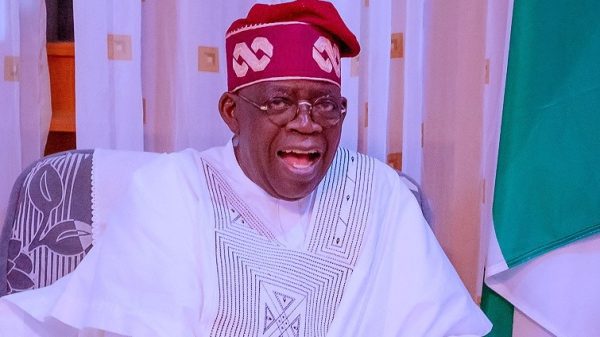


















When President Bola Tinubu used his Independence Day broadcast to describe the nation’s 2023 predicament as a cancer diagnosis requiring painful remedies, he likely expected a sympathetic nod. Instead, the analogy has triggered a sharp rebuke from political circles, with opposition figures turning the medical metaphor right back on the ruling administration.
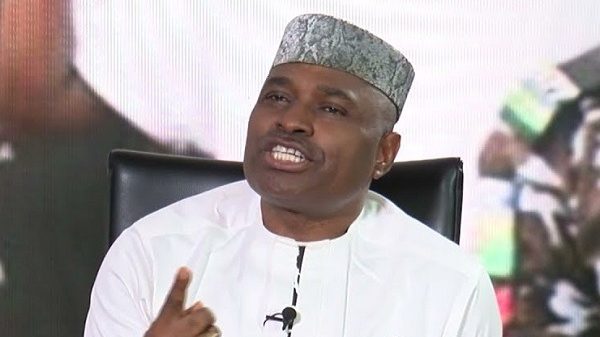
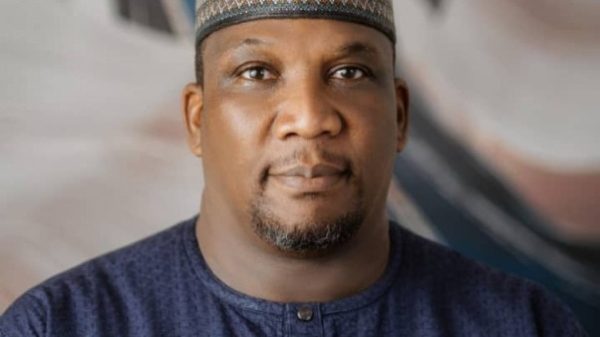
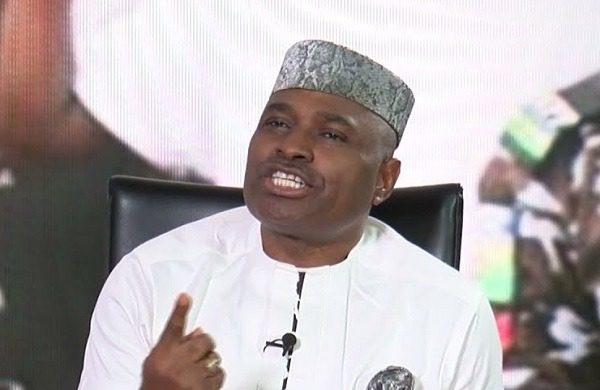
Weighing in on the address through social media, Kenneth Okonkwo flatly rejected the idea that Nigeria itself is a terminal patient. Insisting that the country remains inherently blessed, the opposition voice argued that the true source of systemic illness lies squarely within the ruling party rather than the nation as a collective.
Drawing a sharp line, Okonkwo referenced comments previously made by Federal Capital Territory Minister Nyesom Wike to argue that it is the All Progressives Congress, not Nigeria, carrying the disease—one he claims has only metastasized under the current watch. To back this up, he pointed to a sweeping cascade of economic pain points, arguing that the cost of living, skyrocketing fuel prices, a battered currency, and mounting national debt reflect a worsening trajectory.
Beyond the numbers, the critique laid into broader governance concerns, pointing to widespread security challenges, strained public infrastructure, and the general pressure bearing down on everyday citizens trying to make ends meet. According to this perspective, the path forward requires a deliberate political choice at the ballot box to steer the country in a different direction.
Observers note that as political alignments shift toward the horizon, exchanges of this nature underscore the fierce battle lines being drawn over the country’s economic narrative and leadership future.