






























The federal government spent less on electricity subsidies during the second quarter of the year, dropping its financial intervention to N321.26bn. Report from the latest quarterly performance data released by the Nigerian Electricity Regulatory Commission, this reflects a notable N37.06bn or 10.34 percent drop compared to the N358.32bn recorded in the first quarter.
The report indicates that these government subsidies made up 49.60 percent of the total generation company invoices for the period, marking a slight 2.35 percent decrease from the 51.95 percent share seen at the start of the year. Zoyols News gathered that the main catalyst behind this downward shift in government obligations was a 3.40 percent drop in energy offtake by distribution companies between the two quarters.
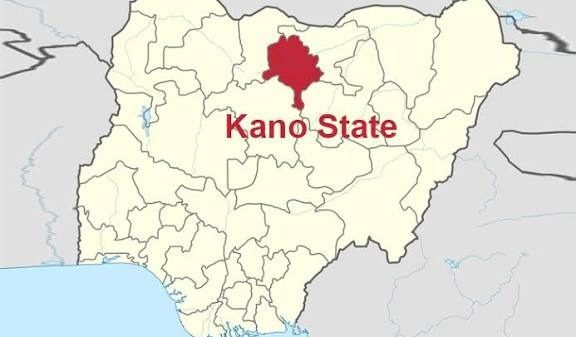
When looking at financial settlements with the Nigerian Bulk Electricity Trading company, distribution firms faced adjusted invoices totaling N326.46bn while managing to remit N306.62bn. This performance translated to a 93.92 percent remittance rate, sitting close to the 94.29 percent efficiency achieved in the previous quarter. Seven major electricity distribution networks, specifically Benin, Eko, Enugu, Ibadan, Ikeja, Port Harcourt, and Yola, maintained a flawless record by remitting 100 percent of their obligations. However, performance lagged significantly behind in the northern sectors, with Kano, Jos, and Kaduna falling below the 70 percent threshold.
A broader quarterly review highlights shifting trends among the electricity providers. Yola, Ibadan, Kaduna, and Enugu registered notable improvements in their payment tracks to the bulk trader. On the flip side, Kano, Jos, and Abuja slipped backward with lower remittance metrics compared to the opening months of the year. Similar patterns played out with market operator billings, where distribution companies paid out N78.82bn against cumulative invoices of N83.92bn, pushing that specific remittance indicator up slightly by 0.64 percentage points.
Beyond wholesale payments to industry operators, consumer bill collections also experienced a shift. Out of N744.67bn billed to electricity users nationwide, distribution companies successfully recovered N603.64bn, achieving a collection efficiency of 81.06 percent. This shows an improvement over the 78.95 percent collection efficiency recorded in the first quarter. Benin led the pack with the highest collection efficiency at 92.68 percent, closely followed by Ikeja, Eko, Port Harcourt, Abuja, and Ibadan, all clearing the 80 percent mark. Meanwhile, Kano struggled at the bottom with a collection efficiency of 47.74 percent, capping off a mixed quarter for the power sector.