

























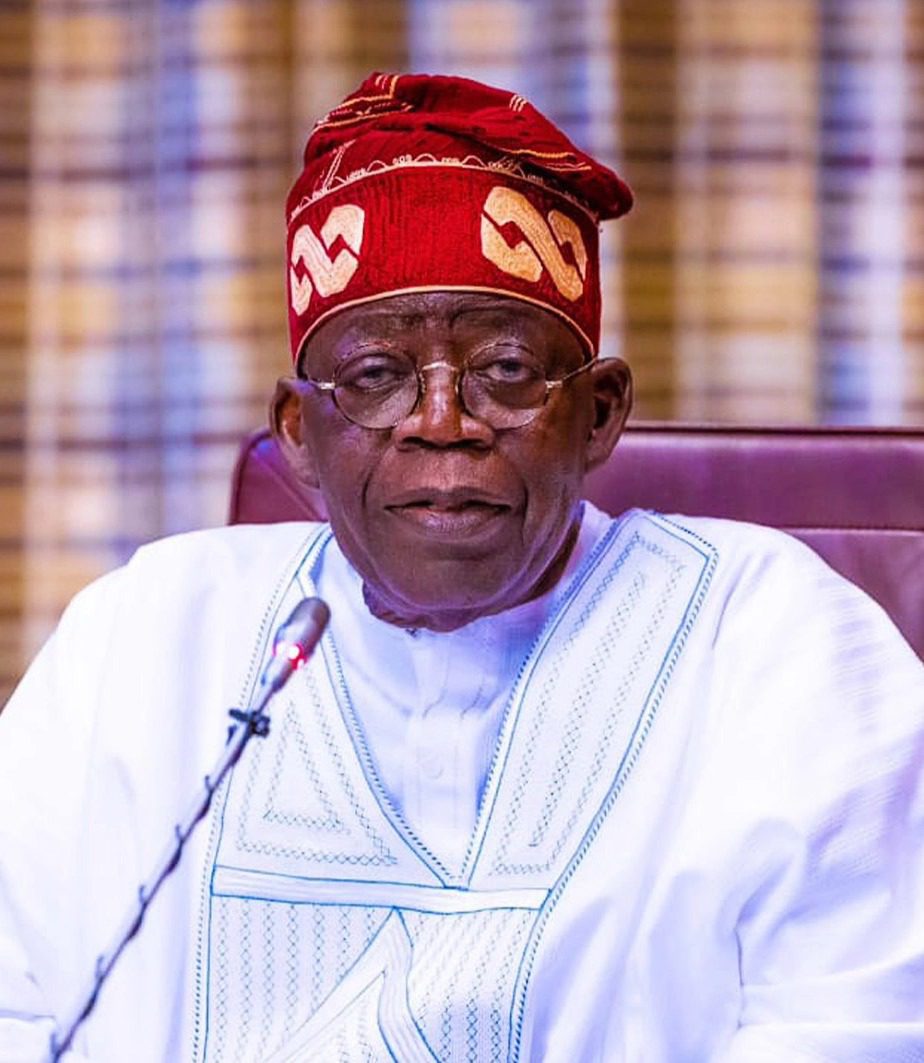
As Nigeria marks its sixty-sixth Independence anniversary, President Bola Ahmed Tinubu has challenged citizens to pivot from economic restructuring toward active production, urging a collective push to manufacture more goods, expand agriculture, and build globally competitive enterprises.
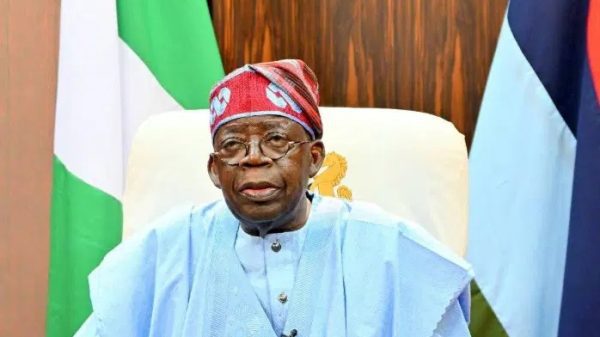
In an address delivered to the nation on Thursday, the President outlined a vision where the country’s economic strategy shifts from emergency stabilization into a sustained era of shared prosperity. The administration’s core focus is now centered squarely on enterprise, industrial growth, and job creation.
The President emphasized that true economic progress relies on widespread productive work rather than just cheaper commodities. He expressed a strong desire to see local farms feeding urban centers and supplying domestic factories, while homegrown businesses take their products to the international stage. Particular emphasis was placed on the nation’s youth, with the administration aiming to harness their talent and ambition to build innovative startups and generate employment opportunities at home.
Detailing the government’s supportive framework, Zoyols News noted that policy measures include utilizing domestic gas resources to power emerging industries, backing business efforts to revive dormant factories, expanding digital connectivity, and investing in targeted workforce skills. Furthermore, the administration plans to lower the cost of living by systematically reducing production and transportation expenses. This involves expanding mechanized irrigation, improving access to quality seeds and fertilizers, and investing in storage facilities alongside critical infrastructure such as roads, railways, and ports.
Reflecting on the past three and a half years, the President pointed out that difficult economic reforms were necessary to correct longstanding structural deficiencies. He highlighted recent positive indicators, including an economic growth rate exceeding four percent this year driven by both oil and non-oil sectors, reduced oil theft, a substantial decline in inflation from its peak, rebuilt foreign reserves, and foreign exchange stability alongside significant non-oil export revenues.
While acknowledging that millions of citizens still face daily hardships involving food, education, and medical bills, Tinubu maintained that these challenges stem from decades of accumulated low productivity and weak infrastructure rather than recent policy alone. He assured the public that the government remains committed to targeted interventions, including the National Social Register, the Nigerian Education Loan Fund, and CREDICORP, while collaborating with state and local authorities to bolster primary healthcare and basic education.
Concluding his address, the President declared that the foundational age of reform has accomplished its primary goals, paving the way for a new era dedicated to defeating poverty through sustained economic growth and discipline.