
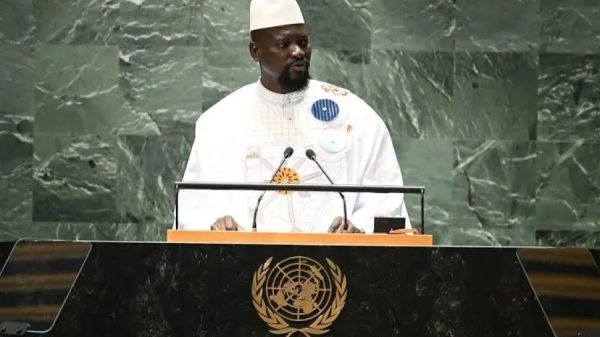
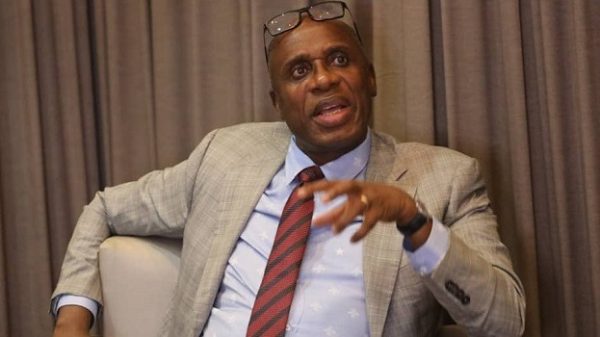
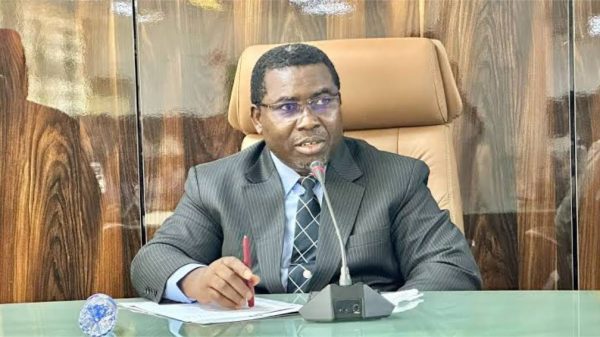
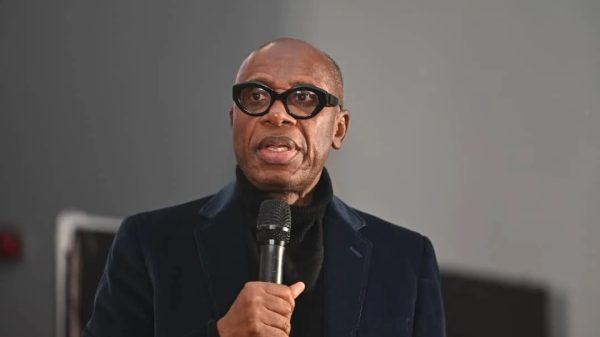
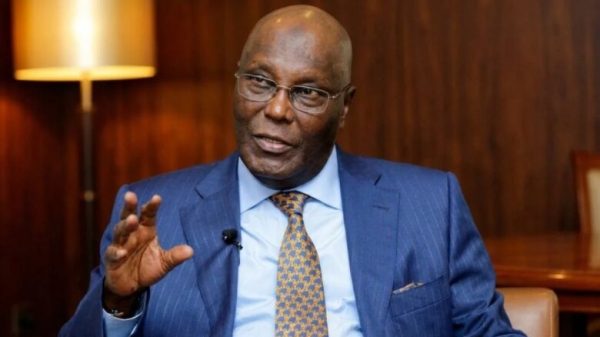
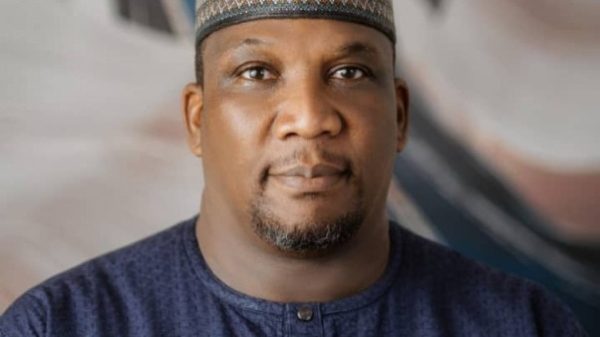






















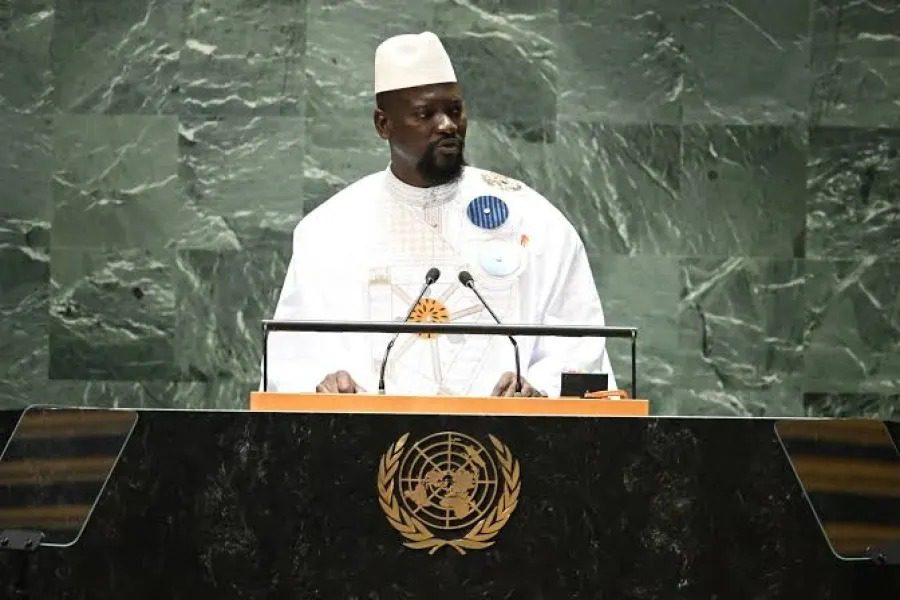
One of Guinea’s most prominent opposition figures, Aliou Bah, has walked free after spending nearly two years behind bars. His release came courtesy of a presidential pardon granted by junta leader General Mamadi Doumbouya, bringing an unexpected end to a sentence that had sparked widespread debate across the West African nation.
Bah, who leads the Liberal Democratic Movement, found his freedom as part of a mass clemency involving 217 prisoners to mark the country’s independence anniversary. According to an announcement broadcast on state television by presidency secretary-general Amara Camara, the politician’s name was included on the official decree.
The decision offers a sudden shift for the opposition leader, whose release was not anticipated until late this year. Bah had been detained since December 2024 and was subsequently sentenced the following month after a court ruled that comments he made about the head of state constituted an insult. During an appeals hearing, prosecutors pushed for a much heavier five-year sentence, though the court ultimately upheld a two-year term.
The legal battle surrounding his imprisonment had extended beyond domestic courts. Just days prior, the Court of Justice of the Economic Community of West African States had intervened, asking the nation’s Supreme Court to order an immediate and unconditional release.
The controversy stems from remarks where Bah publicly urged religious leaders to speak out on the political climate and labeled the ruling National Committee of Rally for Development as incompetent. Human rights advocates and political opponents have frequently pointed to such cases as evidence that the military administration, which took control after overthrowing the country’s first democratically elected leader, Alpha Conde, in September 2021, has progressively tightened the screws on political dissent.
Tensions have remained high following a presidential election held in December 2025, which proceeded without major opposition challengers and further cemented the military leadership’s authority. Critics continue to voice concerns over shrinking civic space, pointing to dissolved political parties, banned demonstrations, and the silencing of various government critics through arrests, exile, or mysterious disappearances.
Bah’s sudden release provides a moment of relief for his supporters and family, questions linger regarding the broader trajectory of political freedoms in the country.