




























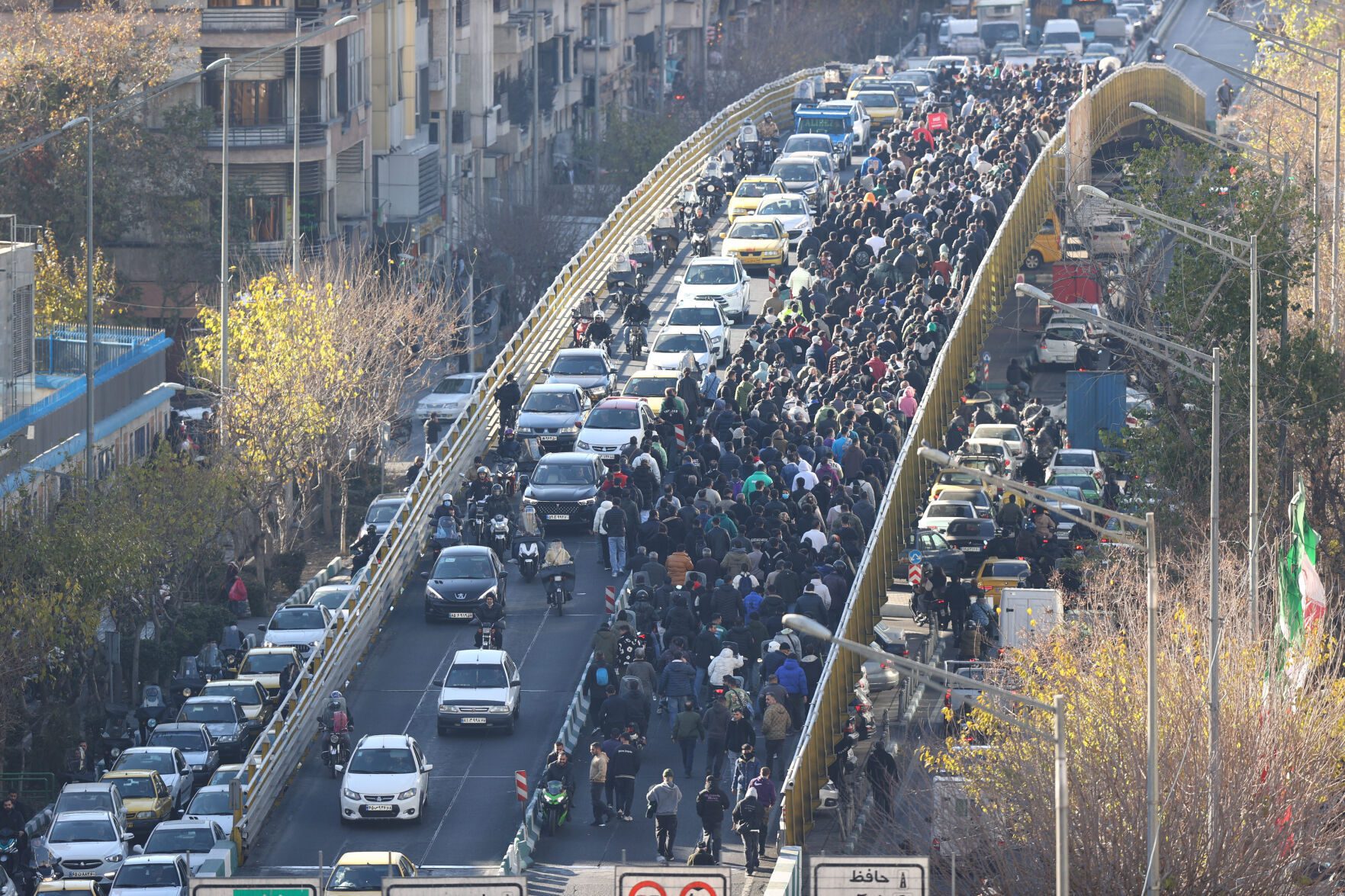
MTN is facing mounting criticism as Iran’s nationwide protests intensify, putting the telecom giant at the center of a complex mix of politics, public outrage, and ethical scrutiny. The company’s local affiliate, Irancell, has become a focal point amid internet shutdowns and government crackdowns on demonstrators, raising questions about the role of corporate actors in politically charged environments.
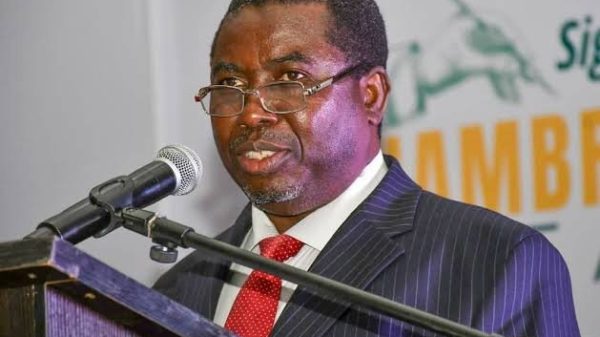
Economist Iraj Abedian has called on MTN to reconsider its presence in Iran, warning that staying could inflict serious reputational and financial damage. The unrest, initially sparked by inflation and a rapidly weakening currency, quickly evolved into widespread anti-government demonstrations. In response, the authorities ordered internet blackouts, which Irancell enforced alongside other local providers.
The stakes are high. Internet restrictions are more than just technical measures—they carry real-world consequences. Critics argue that by complying with government-imposed shutdowns, MTN risks appearing complicit in suppressing dissent, even as the company maintains it must follow local laws. Abedian warns that MTN is in a precarious position: continuing operations could tarnish its brand, while an exit would come with significant financial losses.
The company’s situation is further complicated by regulatory and geopolitical constraints. MTN has been gradually exiting Middle Eastern markets since 2020, pulling out of Syria, Afghanistan, and Yemen. Iran, however, presents unique challenges. U.S. sanctions prevent MTN from selling its stake or repatriating funds, effectively freezing the investment. Meanwhile, the group is already navigating civil lawsuits and a U.S. grand jury investigation linked to past operations in conflict zones, which MTN denies.
The telecom insists it has not invested new capital or drawn dividends from Iran since sanctions returned in 2018, and it has denied reports of planning a quiet exit through a Qatari intermediary. Still, analysts warn that delaying action could backfire, noting that corporate accountability often extends far beyond the immediate crisis. As Abedian puts it, waiting for a “miracle” won’t protect MTN’s brand once the dust settles.
The unfolding situation highlights the difficult balance multinational companies face when operating in politically volatile regions where compliance with local law can collide with global expectations for ethics and corporate responsibility.