




























The national monetary authority is signaling a period of renewed optimism for the Nigerian economy, citing a strategic blend of fiscal discipline and robust policy reforms. During a recent engagement with stakeholders in Bauchi, officials emphasized that the institution remains firmly committed to anchoring price stability while fostering an environment where investors can operate with greater predictability and confidence.
The latest economic data paints a compelling picture of this stabilization. Most notably, Nigeria’s external reserves have surged past the $52.5 billion mark as of mid-July 2026, hitting a historic 17-year peak. This accomplishment, which comfortably surpasses annual projections, is being credited to a steady influx of foreign exchange and a visible return of investor appetite across various sectors. This liquidity boost is a direct dividend of the current leadership’s efforts to streamline market operations.
Inflationary pressures, which have long been a concern for the average citizen, are also beginning to show signs of retreat. Headline inflation experienced a marginal decline, moving from 15.93 per cent in May to 15.91 per cent in June 2026. This cooling trend, paired with a narrowing gap between official and informal exchange rates—now down to less than two per cent—serves as evidence that the exchange rate unification and increased market transparency are finally taking root.
Beyond the immediate market indicators, the institution has spent the last 34 months rolling out a sweeping suite of structural reforms. These initiatives, ranging from the recapitalization of the banking sector to the implementation of the Nigeria Payments System Vision 2028, are designed to build a more resilient financial architecture. New benchmarks, such as the Nigerian Overnight Financing Rate, have been introduced to align local practices with global standards, while enhanced liquidity management tools continue to help curb excess volatility.
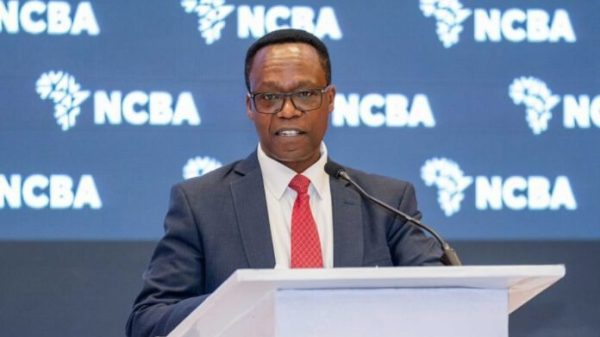
The gathering in Bauchi served as more than just a reporting session; it was a deliberate move to deepen financial inclusion and bridge the gap between policy makers and the public. By hosting these direct interactions, the institution aims to educate citizens on alternative payment channels and clarify complexities surrounding monetary policy. It also provided a platform to reinforce the importance of national financial literacy and consumer protection.
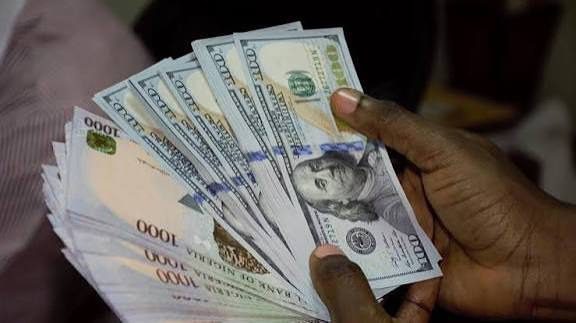
In a strong appeal to the public, the institution once again cautioned against the mishandling of the national currency. Officials stressed that the naira is a vital symbol of national identity, urging citizens to avoid practices such as spraying, hawking, or mutilating banknotes. The message was clear: sustainable economic development relies not only on top-tier policy implementation but also on the collective responsibility of all Nigerians to protect the integrity of the financial system and the dignity of the national currency.