




































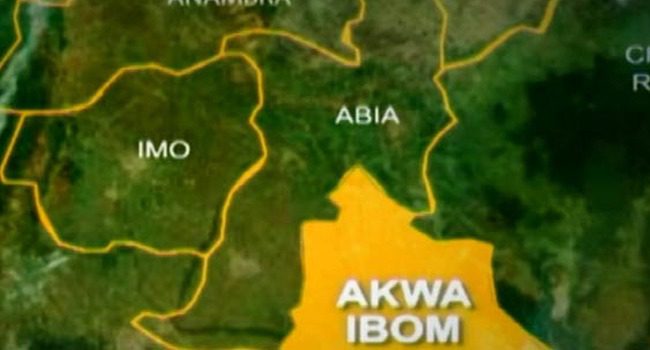
Created file: pollutedstreamarticle.docxSeveral rural communities in Oruk Anam Local Government Area of Akwa Ibom State are currently facing a severe environmental crisis. Residents of the Midim Clan, situated along the busy East-West Road axis, have expressed deep distress over the operations of an oil exploration firm, which they say have ruined their only viable source of drinking water. The ongoing contamination has thrown local villages into a difficult search for clean water, creating a quiet but rapidly growing humanitarian emergency in the area.
At the heart of the crisis are villages like Ikot Obio Atara, Ikot Akpan Udo, Ikot Etegh-Ideh, Ikot Utiat, Ikot Akpakpan, and Ikot Okoh. For generations, these closely-knit settlements have relied on a local stream linked to the Imo River. This natural waterway was once the lifeblood of the clan, serving as a dependable source for drinking, cooking, bathing, washing, farming, and fishing. According to community elders, this vital resource was preserved and kept clean for decades until industrial activities began to reshape their landscape.
Trouble started during the installation of underground pipelines by Sterling Global Petroleum. Traditional leader and Village Head of Ikot Utiat, Etteidung Akpan Moses Adambanga, explained that the stream became heavily polluted shortly after the heavy drilling and construction work commenced. What was once a pristine natural supply of fresh water has been rendered entirely unusable, leaving thousands of rural residents without any safe alternative. Local leadership is now urging the Akwa Ibom State Government to step in and hold the company accountable. They are demanding immediate cleanup efforts and the urgent installation of a modern potable water scheme as part of the company’s social responsibility to its host communities.
The visible impact on the ground is striking. Mr. Nnamso Fred, a local youth representative and a professional in environmental, health, and safety standards, has been monitoring the situation closely. He noted that the stream was remarkably clear and safe for domestic use before the pipeline project began. Following the heavy machinery work and underground drilling, the water quickly turned into a thick, muddy brown flow. Reports from Zoyols News highlight that this environmental disruption has also devastated the local ecosystem. Aquatic life has virtually disappeared from the stream, effectively taking away the livelihoods of local fishermen who have relied on these waters to feed their families for years.
The struggle has been ongoing for a while. Fred first observed major changes in the water quality about three years ago and raised the issue directly with the company. While representatives from Sterling Global eventually visited the site, inspected the muddy stream, and admitted that their drilling activities had impacted the water source, no corrective actions have been taken since that visit. Instead, the communities have been left to cope with the fallout on their own.
With the stream completely ruined, a tough economic burden has been placed on the local families. Residents of the affected villages are now forced to trek to neighboring territories to purchase commercial water, which costs about ₦250 per jerry can. For average rural households that require multiple jerry cans daily for basic survival, this sudden expense is putting a massive strain on their daily finances, highlighting the urgent need for a lasting solution to this environmental and economic hardship.