

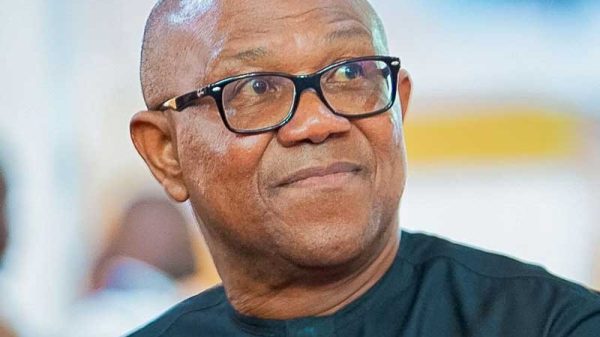




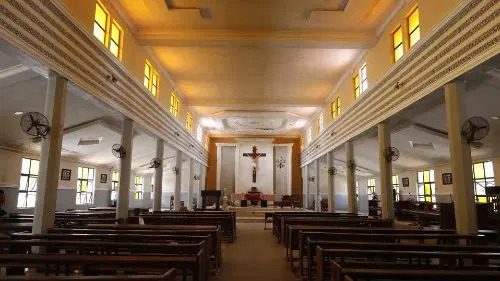

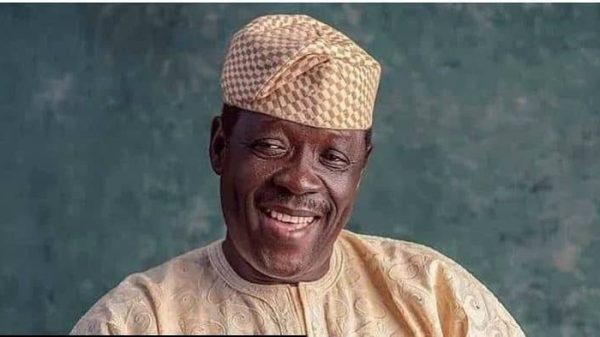


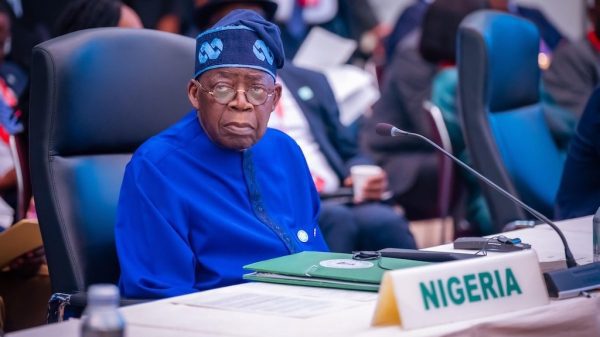



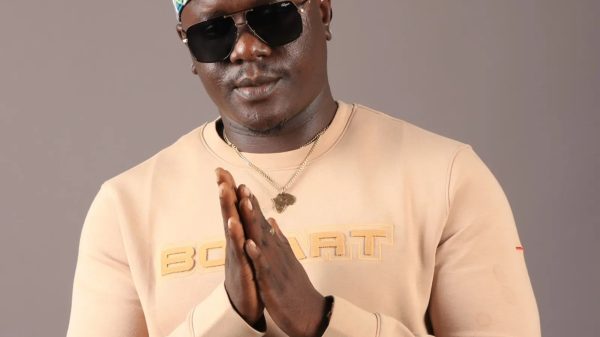









Peter Obi and Rabiu Musa Kwankwaso, the presidential ticket for the Nigeria Democratic Congress, have publicly rallied behind the Catholic Bishops Conference of Nigeria and John Cardinal Onaiyekan. This support follows a recent meeting between the bishops and President Bola Tinubu at the Aso Villa, an encounter that has since spiraled into a heated political confrontation. The backlash from the Presidency, which accused Onaiyekan of breaking the confidentiality of their private discussions, has been labeled by the NDC candidates as a disturbing sign of the federal government’s growing intolerance for dissent.
In a sharply worded statement, Obi argued that the current administration is effectively declaring war on the truth. He warned that targeting religious leaders who highlight national crises only serves to erode democratic values and distract from the actual emergencies facing the country. For Obi, the worsening economic climate, characterized by rampant inflation, unemployment, and severe insecurity, demands a humble reception of constructive criticism rather than a hostile defensive posture against those who voice the frustrations of the citizenry.
Zoyols News notes that Obi emphasized the historical role of the Catholic Bishops as the moral conscience of Nigeria, a position they have held firmly through both military and civilian eras without ever functioning as an opposition political party. He pointed out that similar warnings regarding the nation’s downward trajectory have been consistently issued by major religious bodies, including the Christian Association of Nigeria, the Supreme Council for Shari’ah in Nigeria, and the Nigerian Supreme Council for Islamic Affairs. These organizations, he noted, are uniquely positioned to understand the daily struggles of Nigerians because they operate directly within the communities most affected by food inflation and kidnapping.
Reflecting on his time as governor of Anambra State, Obi shared that his own administration thrived partly because he welcomed honest feedback from traditional and religious leaders. He questioned the apparent shift in the federal government’s attitude, noting that President Tinubu recently displayed great deference to the Catholic Church during his visit to Rome for the inauguration of Pope Leo XIV. He expressed confusion as to why such public respect has been replaced by a campaign of vilification against the same institution. According to Obi, political actors are attempting to weaponize religious and ethnic sentiments to frame the bishops’ concerns as narrow or biased, despite the fact that poverty and insecurity are challenges that transcend every Nigerian’s faith or background.
Adding his voice to the defense, Rabiu Kwankwaso praised the bishops for their courage and authentic patriotism. The former Kano State governor rejected the notion that the clerics were acting out of political bias. Instead, he argued that they were simply articulating the grim realities that millions of ordinary citizens navigate every day. Writing on his social media platform, Kwankwaso lamented that despite Nigeria’s vast natural and human potential, the vast majority of the population remains trapped in a cycle of economic hardship, failing public services, and dwindling hope.
Kwankwaso urged the administration to move away from attacking its critics and instead focus on delivering genuine, people-centered solutions. He called for a culture of accountability where leaders at all levels prioritize the welfare and security of the people. Ultimately, both Obi and Kwankwaso maintained that the path to a more prosperous and united Nigeria lies in the willingness of those in power to confront difficult truths rather than silencing the messengers who bring them to light.