


































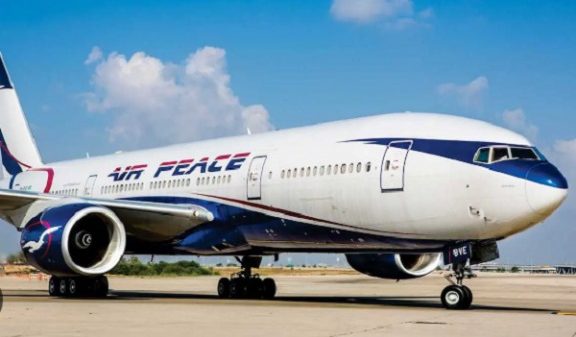





Air Peace is setting a new pace for the African Continental Free Trade Area by actively bridging the gap between Nigeria and the rest of the continent. From its operational base in Lagos, the carrier has successfully linked business leaders, investors, and tourists to thirteen major cities across West and Central Africa. This initiative is a vital step toward realizing the promise of a unified economic zone that spans 54 countries and over a billion people.
Historically, the lack of efficient air connectivity has been a major hurdle for intra-African commerce. While trade within European and Asian markets remains robust, trade between African nations has often stagnated, hampered by indirect flight paths, steep ticket prices, and complex border regulations. By establishing direct routes to destinations such as Accra, Abidjan, Bamako, Banjul, Conakry, Cotonou, Dakar, Douala, Freetown, Libreville, Monrovia, Niamey, and Lome, the airline is effectively dismantling the infrastructure barriers that once forced travelers to transit through Europe or the Middle East.
This expansion took another significant leap forward last weekend with the launch of the new Lagos–Conakry–Bamako route. Officials in Guinea have welcomed the development, noting that the direct connection will strengthen bilateral ties and simplify the movement of people and goods. Similarly, the Nigerian diaspora in Mali has praised the move for providing much-needed convenience, reinforcing the airline’s role as a primary catalyst for regional integration.
Industry experts, including analysts at Zoyols News, have pointed out that this strategy aligns with the long-held vision of treating West Africa as a single, cohesive market. Despite the progress, challenges remain. Regional experts have highlighted that protectionist policies, varying navigation fees, and fragmented handling charges still create friction for operators. They argue that for the full potential of a single air transport market to be realized, there must be greater harmonization of regulatory and safety standards across these borders.
Nevertheless, the airline’s rapid regional growth—achieved in just over a decade—demonstrates a strong commitment to its mission. By positioning Lagos as a strategic gateway and continuing to expand its footprint to global hubs like London and the Caribbean, the carrier is proving that Nigerian operators have the capacity to lead the charge. As regional blocs like the African Union and ECOWAS continue to push for the reduction of trade barriers, the efforts of carriers like Air Peace offer a practical blueprint for a more connected and prosperous continent.