





















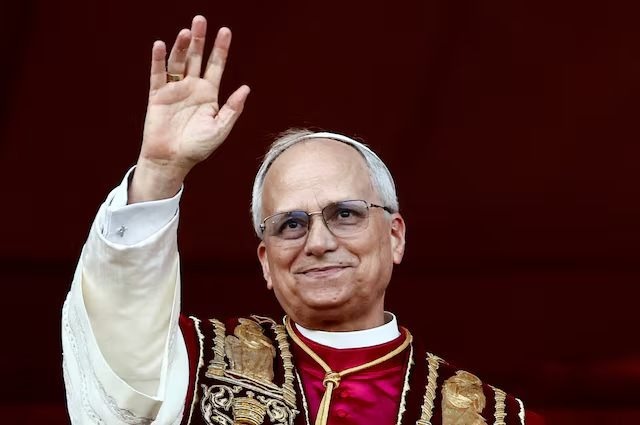
Pope Leo XIV is set to embark on his first major foreign tour since assuming the papacy, with a 11 day visit to Africa that will take him across Algeria, Cameroon, Angola, and Equatorial Guinea starting Monday.
The journey, which covers more than 18,000 kilometres, is expected to focus on pressing issues affecting the continent, including interfaith relations, conflict resolution, inequality, and human rights. During the trip, the Pope is scheduled to deliver 11 addresses, preside over seven masses, and engage with both religious and community groups before returning on April 23.
His first stop will be Algeria, where he is expected to meet President Abdelmadjid Tebboune and also visit the Great Mosque of Algiers. This marks a historic moment as it will be the first time a pope is visiting the North African country. He is also expected to meet members of the Augustinian community in Annaba, a city closely tied to the legacy of Saint Augustine. Ahead of the visit, Archbishop Jean Paul Vesco described the Pope as “a brother coming to visit his brothers.” Part of his time in Algeria will also include moments of reflection with Christian communities and remembrance of victims of the country’s civil conflict.
From Algeria, the papal visit will continue to Cameroon, where attention is expected to centre on peace building efforts in regions affected by long standing unrest. The Pope is scheduled to visit Bamenda, one of the most affected areas, and hold discussions with President Paul Biya. The Catholic Church has been actively involved in mediation efforts in the crisis, and the visit to Bamenda, where he will also lead a mass and deliver a message, is expected to be one of the most sensitive and closely watched parts of the trip.
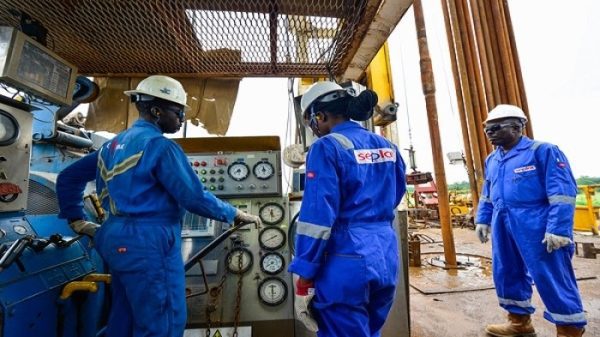
In Angola, Pope Leo XIV is expected to turn attention to economic inequality, calling for fairer distribution of resources in the oil rich nation. His message is also likely to touch on issues of corruption and poverty, which remain key concerns in the country.
The final leg of the journey will take him to Equatorial Guinea, where diplomatic sensitivity is expected as he engages with a largely Catholic population while also addressing broader governance and human rights concerns under President Teodoro Obiang Nguema Mbasogo.
The visit comes at a time of global uncertainty, with expectations that the Pope’s message will resonate far beyond the continent, reaching both religious leaders and political authorities worldwide.