

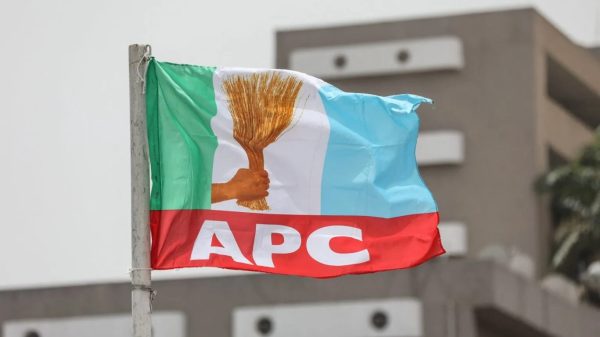


























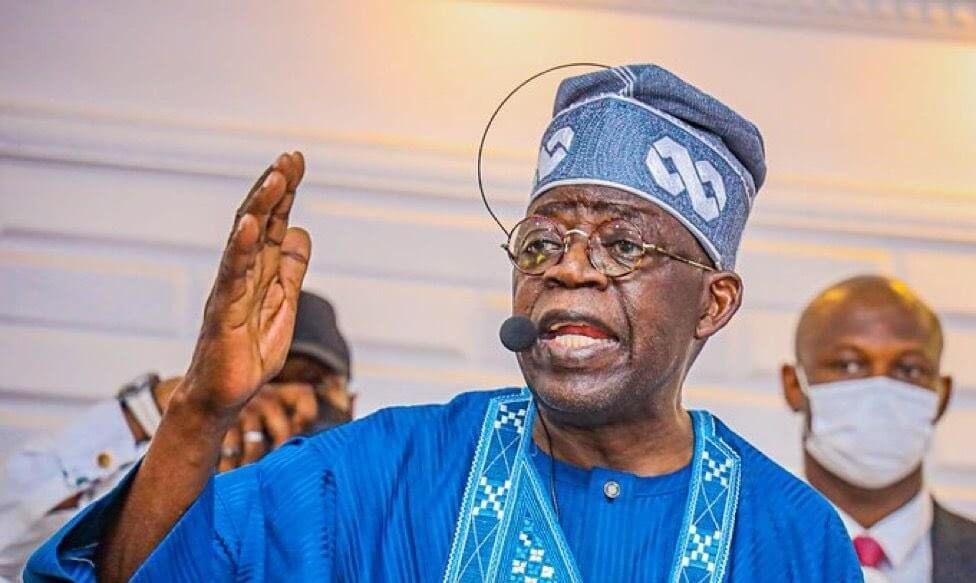
As preparations for the 2027 general elections gather serious momentum, the ruling All Progressives Congress has expanded the structure of its presidential campaign machinery. The party rolled out a fresh supplementary list on Thursday, further broadening the leadership and operational framework of the President Bola Ahmed Tinubu and APC Presidential Campaign Council.
According to an official statement released by the party’s National Publicity Secretary, Felix Morka, the new appointments span multiple directorates, grassroots mobilisation structures, sectoral groups, and specialized operational units. The party emphasized that the move is designed to ensure seamless coordination across all components of the campaign as the country moves closer to the polls.
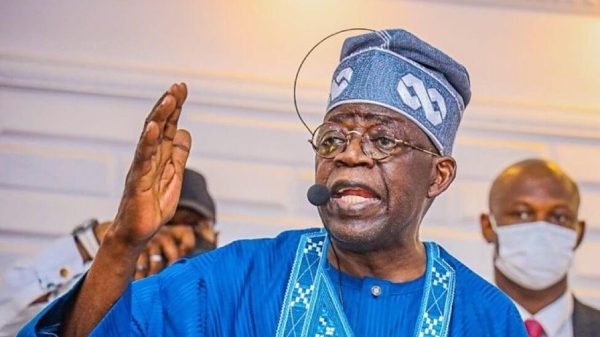
This latest expansion builds on a series of strategic adjustments made by the ruling party in recent months. The foundational lineup was first unveiled in August 2026, positioning President Tinubu at the helm as Chairman, flanked by Vice President Kashim Shettima and APC National Chairman, Professor Nentawe Yilwatda, as Vice Chairmen. That initial structure also placed former Zamfara State Governor, Senator Abdulaziz Yari, in the driver’s seat as Director-General, with Imo State Governor, Hope Uzodimma, serving as Secretary.
As political realignments took shape, a heavily revised roster emerged in mid-October 2026, adopting a broad coalition approach that brought in notable figures from outside the traditional party lines. That phase famously integrated Federal Capital Territory Minister Nyesom Wike to oversee Rivers State and the FCT, alongside Osun State Governor Ademola Adeleke and Anambra State Governor Chukwuma Soludo taking charge of their respective home states.
Following the formal inauguration of the council at the Presidential Villa in Abuja, the latest wave of appointments introduces specialized directorates. These new units cover election planning and monitoring, infrastructure mobilisation, civil society engagement, health sector outreach, new media, the extractive industries, entertainment, security and intelligence, labour relations, and faith-based groups, among other critical sectors.







