










































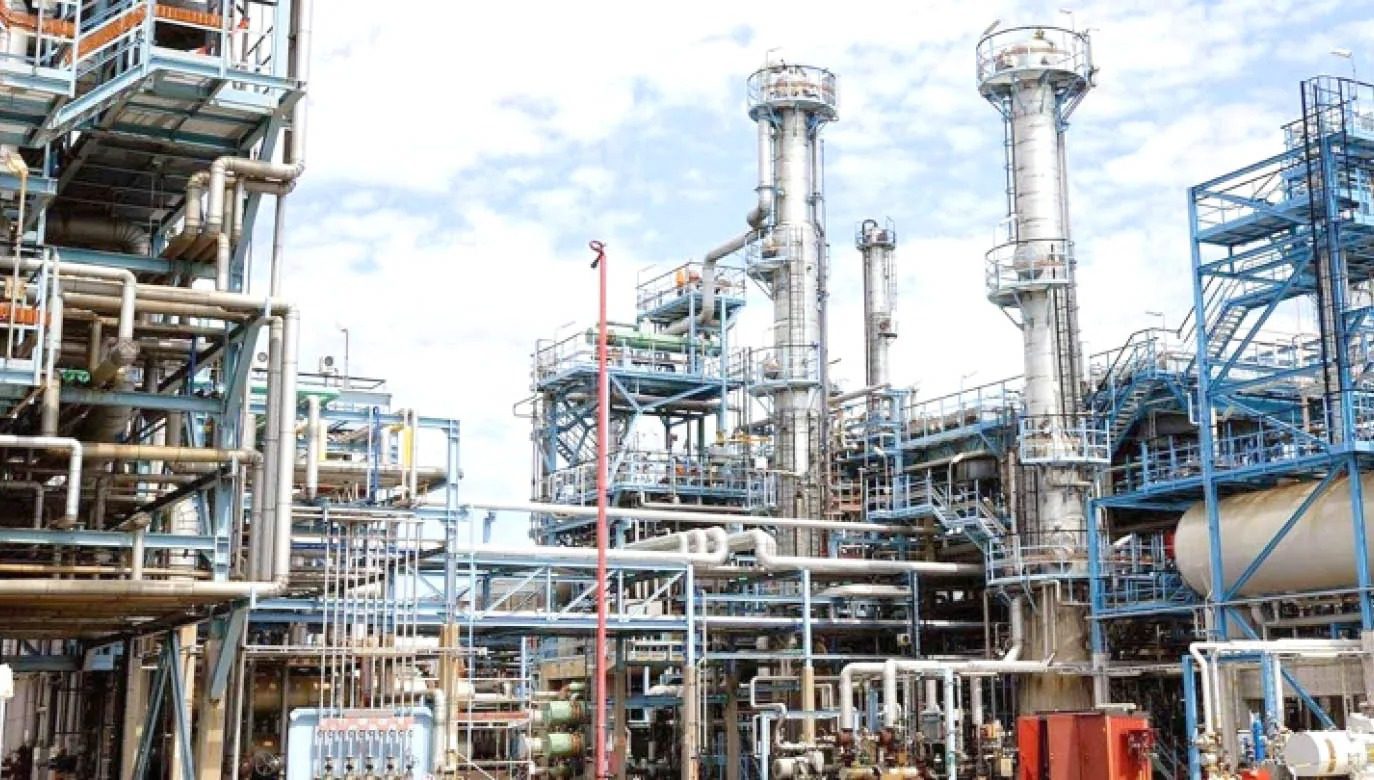
Tension has gripped the energy sector as support personnel at the Port Harcourt Refining Company grapple with months of unpaid salaries, sparking a fierce debate among industry stakeholders over worker welfare and facility management.
Recent protests by the affected workers brought the crisis to light, with demonstrators appealing directly to the federal government for intervention. Support staff have gone seven months without pay, while security contractors and cleaners are facing eight and nine months of arrears, respectively. The situation has drawn sharp criticism from energy analyst Dr. Joseph Obele, who described the delay as entirely unacceptable given the current economic climate.
Obele pointed out a glaring disparity within the facility, noting that while permanent employees have reportedly continued to receive their compensation, vulnerable support personnel are left empty-handed. He emphasized that workers should never be made to bear the brunt of operational downtime or structural inefficiencies at a national asset. Furthermore, he highlighted the modest monthly earnings of support staff, which hover around one hundred and fifty-six thousand naira—a sum he considers woefully inadequate against the backdrop of soaring living costs—contrasting it sharply with the much higher earnings of regular staff.
The debate, however, extends beyond immediate wage payments, with other stakeholders raising questions about long-term operational strategy and resource allocation. Energy analyst Rasheed Adeleke argued that the dispute points to deeper structural challenges in how the nation’s refineries are managed. He called for a thorough audit of manpower and contract staffing at the facility to ensure transparency and accountability in how public funds are utilized for maintenance and personnel.
On the other side of the argument, some analysts caution against maintaining an oversized payroll during periods of low or stalled productivity. Expressing a contrasting view, commentator Bola Joseph suggested that keeping a full complement of workers on active salary while the refinery struggles to operate at optimal levels could foster redundancy, arguing that a comprehensive review of staffing needs might be necessary to ensure optimal resource management.
As discussions continue, the striking workers remain hopeful for a swift resolution following their recent public demonstrations. Industry observers stress that finding a middle ground between humanitarian concerns for the workers and fiscal prudence in public administration will be crucial to resolving the impasse at the refinery.







