






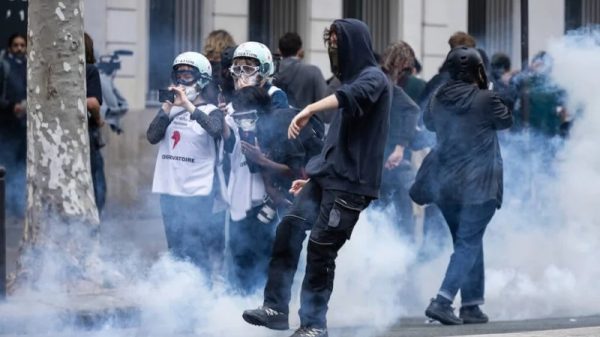


































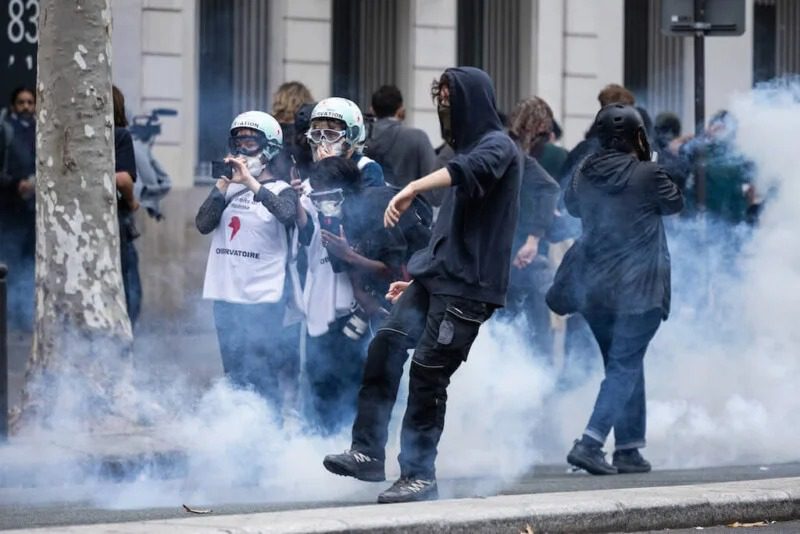
Demonstrators across France could soon find themselves footing the bill for property damage and chaos during street protests, following a decisive vote in the country’s upper house of parliament.
The Senate overwhelmingly approved an expanded version of the legislation by 229 votes to 105, powered by a solid majority from a right-wing and centrist alliance. The bill now heads over to the National Assembly, where political factions are sharply divided, setting the stage for another heated debate.
The legislative push originally stemmed from widespread riots following a major football victory in Paris last May. However, the stakes escalated dramatically after weeks of mounting anger over economic inequality and soaring living costs boiled over into some of the most destructive violence the nation has witnessed in years. Thousands of commercial establishments were ransacked and vandalized during the unrest, pushing lawmakers to take immediate action.
Interior Minister Laurent Nunez addressed parliament to emphasize the urgency of the new measures, pointing directly to the scenes of destruction. Pointing out that everyday citizens should not bear the financial burden of a destructive minority, the government pushed forward with penalties that could see individual demonstrators ordered to pay up to 10,000 euros for riot-related damages.
The legislation carries sweeping provisions. Beyond direct fines, authorities could potentially seize welfare benefits and housing assistance to cover repair costs. During the second reading, senators even tightened the measures further to encompass social support such as family supplements, back-to-school allowances, and employment bonuses.
Critics, however, have raised fierce objections, branding the framework as a collective punishment that risks pushing vulnerable households deeper into poverty. Opponents argue that the wording is broad enough to ensnare individuals who took no direct part in vandalism but were merely associated with crowds or lingered after police dispersal warnings. Left-wing lawmakers and human rights organizations, including Amnesty International, have condemned the initiative as a dangerous authoritarian drift that threatens fundamental civil liberties and the freedom to demonstrate.
Proponents of the bill have defended the measures, insisting that peaceful marchers and casual passersby are not the targets, and that the law strictly aims to curb violent agitators. Alongside financial liability, the legislative package includes fresh tools to combat digital incitement, empowering authorities to force internet platforms to remove social media content calling for insurrection or armed defiance within 24 hours or face severe blocking penalties.
With far-right figures positioning themselves strongly behind the crackdown ahead of upcoming presidential races, the debate over balancing public order with democratic freedoms remains deeply polarized across the country.







