


























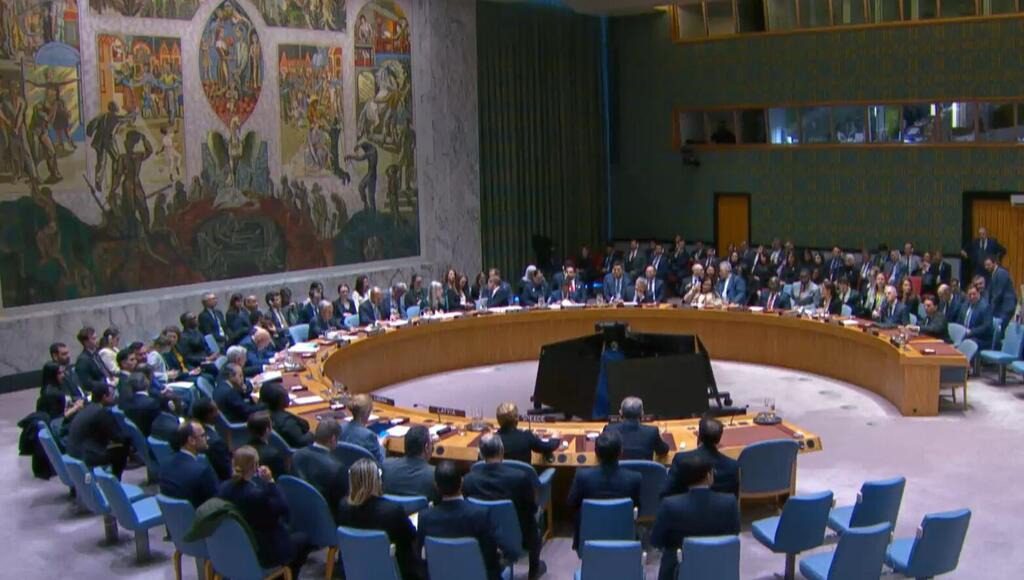
Tensions between Arab nations and Iran reached the global diplomatic stage as Arab states strongly condemned Iran’s recent retaliatory strikes across the Middle East. The statement was delivered at the United Nations, where Arab representatives expressed concern that the attacks had disrupted ongoing efforts to keep regional tensions under control. Diplomats warned that the situation could push the region closer to wider conflict if hostilities continue to escalate.
The wave of retaliation followed military strikes carried out by the United States and Israel on Saturday, prompting Iran to launch counterattacks targeting multiple locations across the region. Arab nations described the development as a dangerous turning point. Speaking on behalf of the Arab group, Saudi ambassador Abdulmohsen Binkhothaila told Zoyols that Iran’s actions represented a serious breach of international law and posed a direct threat to regional peace initiatives. He explained that Arab nations had been working quietly to encourage dialogue, adding that the sudden escalation undermined those diplomatic efforts and deepened security concerns across the Middle East.
The six members of the Gulf Cooperation Council — Bahrain, Kuwait, Oman, Qatar, Saudi Arabia, and the United Arab Emirates — along with Jordan jointly issued strong criticism of the strikes. These countries emphasized that the attacks occurred despite previous attempts to avoid military confrontation. Many of the affected nations argued that the violence threatened civilian safety and could destabilize fragile economic and political conditions across the region.
Oman had recently been involved in diplomatic mediation efforts, hosting indirect talks between American and Iranian negotiators in Geneva. Those discussions were meant to reduce tensions, but military operations resumed shortly afterward. Oman’s deputy permanent representative Mohamed Al-Balushi called for an immediate halt to all military activities, stressing that dialogue remained the most practical path toward resolving disagreements between the parties involved.
Kuwait’s ambassador Naser Abdullah H. M. Alhayen also spoke strongly against the violence, describing attacks on civilian populations as unacceptable under international norms. He urged Iran to exercise restraint and adopt diplomatic solutions rather than pursuing further military confrontation. According to him, protecting civilians should remain a top global priority, especially during periods of geopolitical tension.
Iran defended its actions, with ambassador Ali Bahreini stating that the country was acting in self-defense following what he described as continuous military aggression. He claimed that Iranian infrastructure, including schools and hospitals, had been targeted in the attacks. He also alleged that more than 160 schoolgirls had been killed in Minab, describing the strikes as part of broader violations of Iranian sovereignty. He further argued that intentional attacks on civilians violate the United Nations Charter and demonstrate the dominance of military force over human rights principles.
International reactions remained divided. The European Union urged all sides to exercise maximum restraint, while representatives of several African nations warned that continued fighting could weaken global diplomatic trust. Neighboring Turkey also issued a strong warning about the risk of regional instability spreading beyond the Middle East. Turkish Ambassador Burak Akcapar described the moment as extremely dangerous, saying the region stood on a fragile edge where any further escalation could trigger wider security crises.
Meanwhile, some countries expressed support for Iran’s position. China criticized the US-Israeli strikes, describing them as violations of human rights and national sovereignty. Cuba argued that certain global powers were promoting the idea that military force could be used as a legitimate political tool. Venezuela also referenced past incidents involving its leadership, stressing that immunity protections for heads of state must be respected to prevent unlawful military actions or political targeting.