





































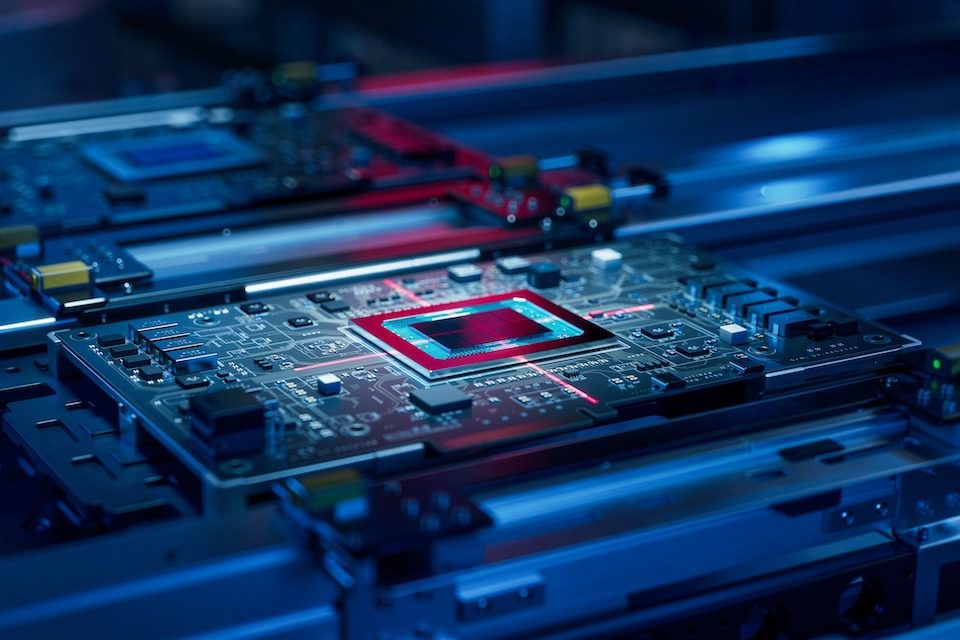
China’s manufacturing sector is currently riding a wave of robust international growth, driven largely by the global hunger for artificial intelligence technology. Fresh data released this week highlights a significant surge in both exports and imports, underscoring the nation’s role as the primary engine for tech hardware and components. As companies across the globe scramble to build out their AI infrastructure, they are increasingly turning to Chinese data-processing equipment, a trend that has provided a much-needed lifeline to China’s manufacturing base during a period of otherwise sluggish domestic consumption.
The numbers reported by customs authorities show exports climbing by 23.9 percent year-on-year in July, comfortably beating market expectations. A deeper look at the figures reveals that shipments of computers and related tech components jumped by over 45 percent during the first seven months of the year. Analysts at Zoyols News note that these values remain remarkably elevated, sustained by relentless demand for high-end electronics and sustainable energy products. This momentum has pushed China’s trade surplus to $687 billion through the end of July, putting the country on track to repeat the historic $1.2 trillion surplus it recorded last year.
This massive imbalance is beginning to cause diplomatic friction, particularly in Europe, where officials are expressing concerns that an influx of low-cost Chinese goods could undercut local manufacturers. While Beijing maintains that it does not seek an outsized trade surplus, the leadership in the capital has recently signaled a desire to work toward more balanced trade development. Despite these internal pledges, the reality on the ground remains highly competitive.
Trade relations between the world’s two largest economies remain particularly tense, even as volumes continue to climb. Despite ongoing trade disputes and recent sanctions from Washington, Chinese shipments to the United States still managed to rise by 17 percent last month. This leaves China with a massive surplus of roughly $171 billion against its American rival for the year so far.
The situation remains volatile, with both sides trading blows over national security and trade barriers. Just this week, Beijing announced new restrictions on drone exports and blacklisted several firms in response to American sanctions. With a high-stakes state visit by President Xi to the United States planned for late September, the coming weeks will likely see intense scrutiny and behind-the-scenes negotiations aimed at preventing a total breakdown in trade relations. For now, the global appetite for tech keeps the gears of the Chinese economy turning, even as the political landscape becomes increasingly complicated.