




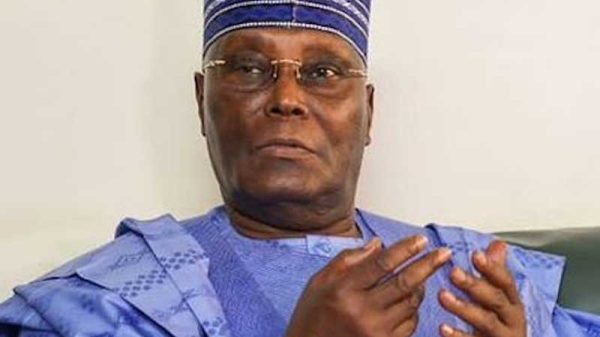
















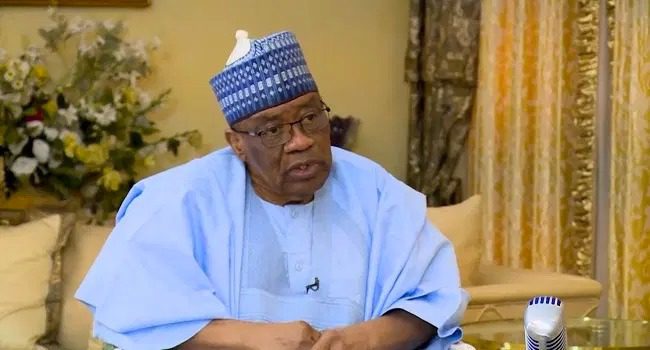
One of the most talked-about military leaders in Nigeria’s recent history is former President Ibrahim Badamasi Babangida. He rose to power 41 years ago after a bloodless coup that removed Major General Muhammadu Buhari from office. At the time, the country was dealing with growing public frustration and economic hardship, and many saw the intervention as inevitable.
Born in Minna, Babangida had long shown leadership qualities from his school days. At Provincial Secondary School in Bida, he stood out for his ability to unite people and handle difficult situations, even serving as head boy. His calm and persuasive nature later proved useful during his military career.
As a soldier, he showed bravery during the Nigerian Civil War, once risking his life to save a fellow officer under fire. In 1976, he played a notable role in ending a coup attempt by walking unarmed into Radio Nigeria to speak with the leader of the plotters.
When he became Head of State in 1985, Babangida assembled some of Nigeria’s brightest minds to tackle national challenges. His government introduced the Structural Adjustment Programme and took the bold step of moving the capital from Lagos to Abuja. Despite facing coup attempts and tough economic conditions, his administration left lasting institutions and infrastructure projects.
Today, at 85, Babangida remains a respected elder statesman whose home in Minna continues to attract political leaders and ordinary citizens seeking advice. While opinions about his time in office remain divided, many now view his era as one of significant political and economic experimentation that shaped modern Nigeria.