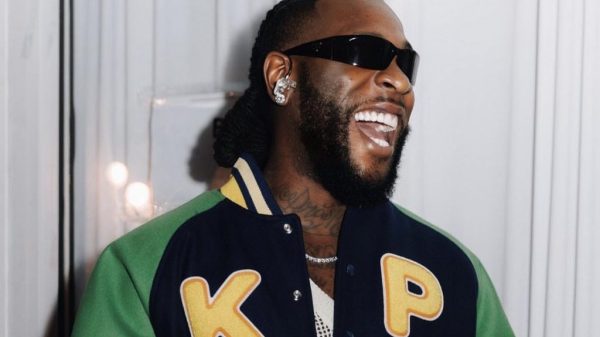




















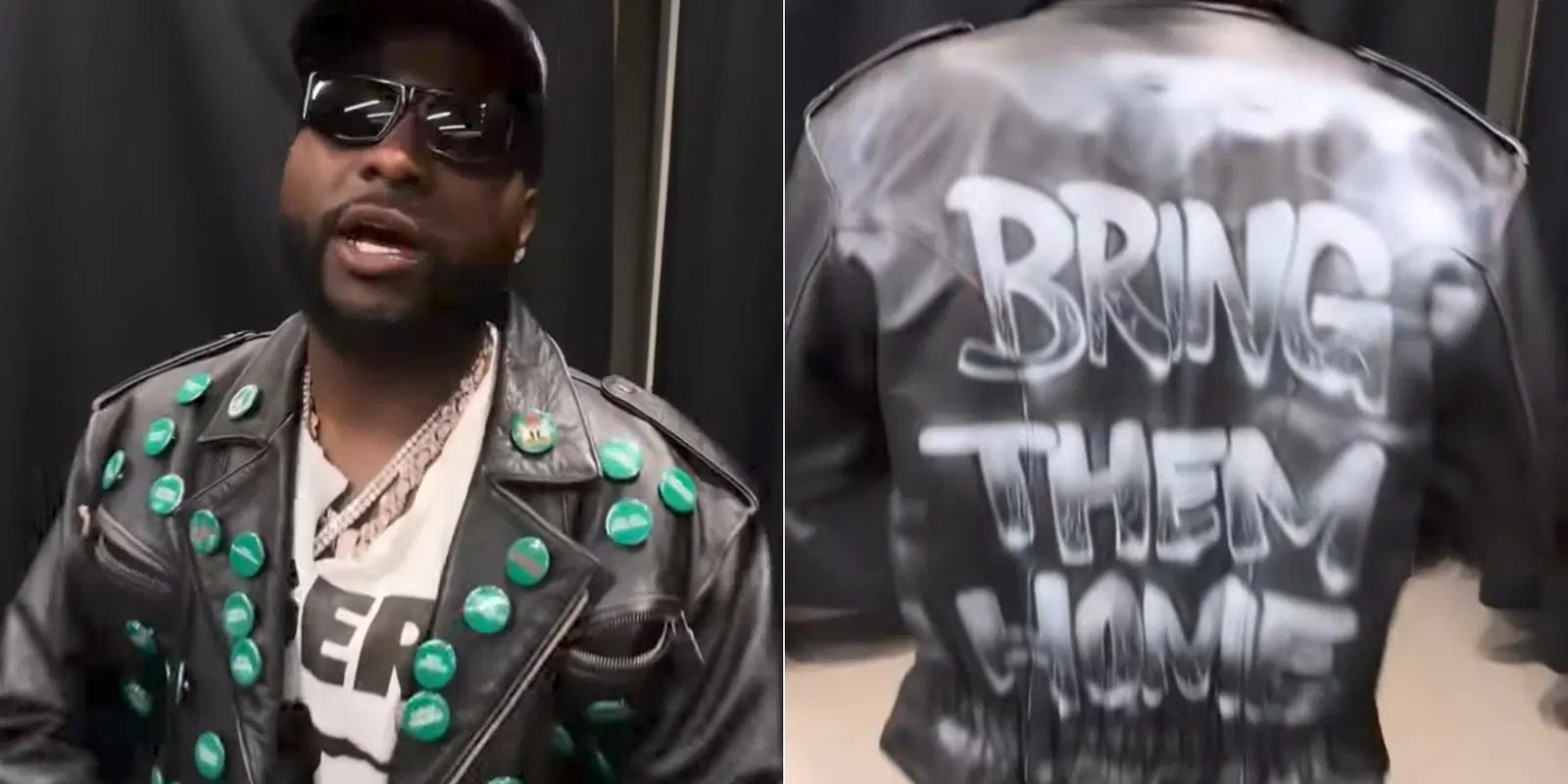
When the global spotlight turned to the 2026 World Cup, Nigerian music icon David Adeleke, popularly known as Davido, chose to look beyond the glamour of the stage. Instead of just celebrating his stardom, the artist used his high-profile appearance to push a painful national crisis into the international conversation. Stepping out in a custom black leather jacket emblazoned with the words “BRING THEM HOME,” Davido paid tribute to the 39 schoolchildren and seven teachers recently abducted in the Oriire Local Government Area of Oyo State, even ensuring their names were visibly carried on green buttons across his outfit.
The powerful statement quickly rippled across social media and news outlets, earning the singer widespread praise for using his massive cultural capital to speak for the vulnerable. It was a moment of stark contrast: a global celebration of sport and entertainment juxtaposed with a grim reminder of the worsening security challenges back home. The gesture resonated deeply with citizens who have grown tired of the silence surrounding the country’s security lapses.
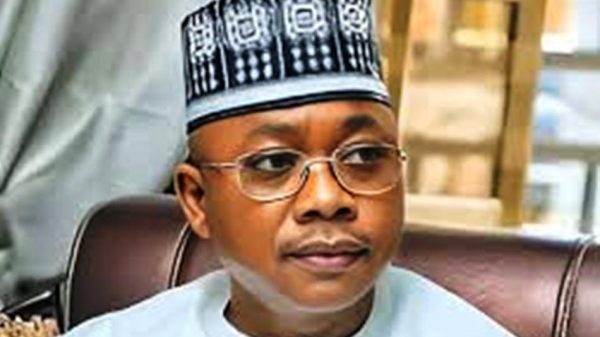
Among those who took notice of the singer’s advocacy was the presidential candidate of the Nigeria Democratic Congress (NDC), Peter Obi. Commending Davido, Obi described the demonstration as a masterclass in leadership and responsibility, proving that true influence should be used to mirror national struggles on the world stage. For Obi, however, the moment was bittersweet, sparking a deeper reflection on why Nigeria, a nation brimming with immense football talent, was missing from the World Cup tournament altogether.
Linking the sports deficit directly to politics, Obi argued that Nigeria’s absence from the world’s biggest football stage is a direct symptom of persistent leadership failures. The political leader pointed out a frustrating reality: while Nigeria continues to produce some of the most exceptional minds, athletes, and creatives globally, a lack of institutional support and structure forces many of them to seek opportunities or even represent other nations. The failure to build enabling systems at home, he noted, is actively starving the country of its own glory.
The visibility of Nigerian talents thriving abroad should no longer just be a source of passive pride, but a serious wake-up call for policymakers. Obi emphasized that investing deliberately in youth development, sports, and robust infrastructure is the only way to reverse this trend. Beyond the pitch, he warned that the country’s fragile security situation demands immediate, decisive action, as leaving citizens vulnerable to continuous threats will only deepen public frustration and despair.
Yet, amidst the critique, there remains a thread of stubborn optimism. The conversation sparked by Davido’s jacket and amplified by political figures serves as a reminder of Nigeria’s untapped potential. The consensus remains clear that if the nation can fix its governance gap, fix its security, and intentionally back its youth, the capacity for genuine national renewal is well within reach. For now, the world keeps watching, reminded by its biggest stars that Nigeria’s heart is still beating, even under pressure.