




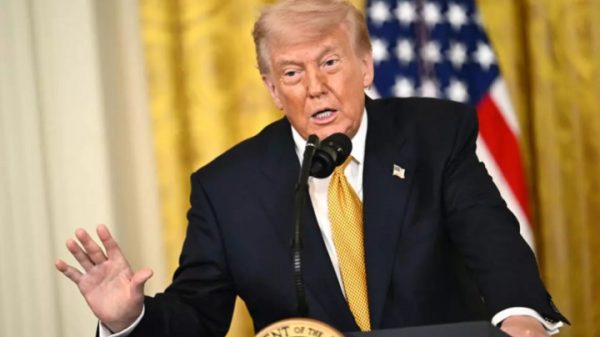






















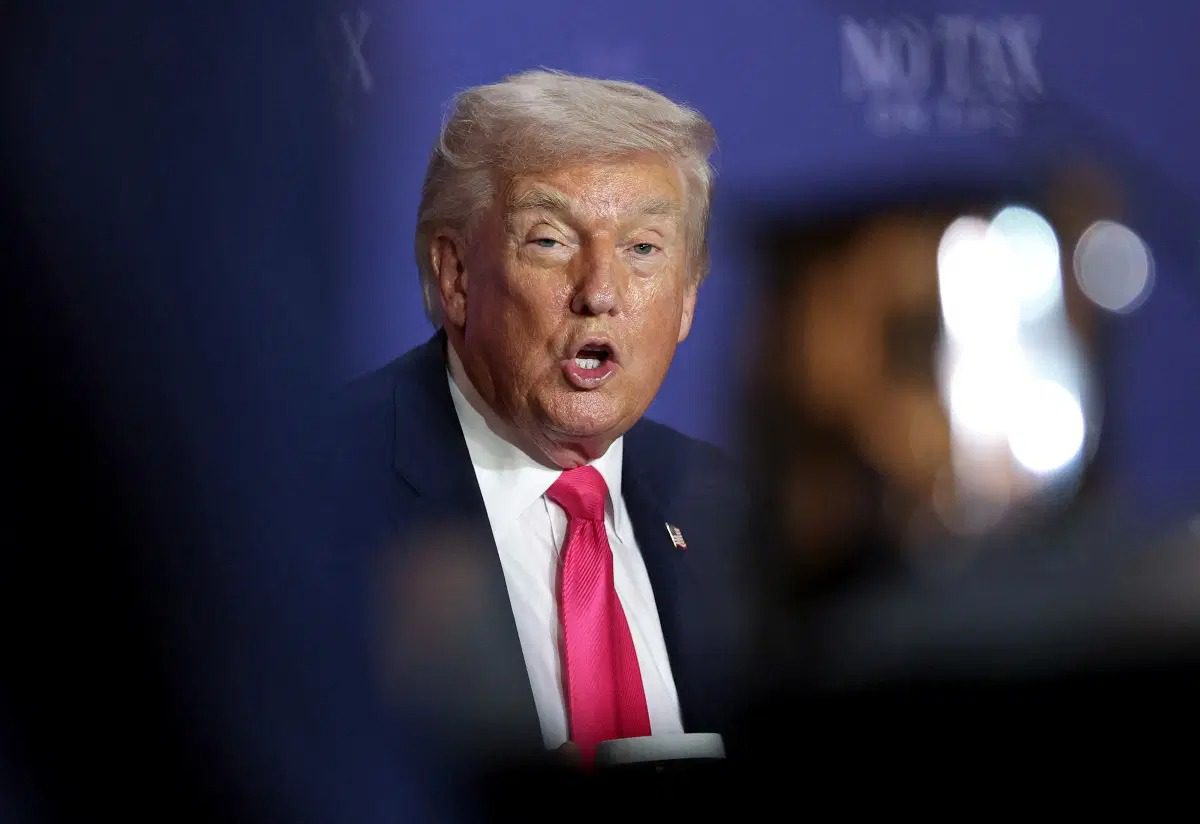
US President Donald Trump has linked recent American military actions in Nigeria to the protection of vulnerable communities, claiming that US-authorized missile strikes successfully disrupted terrorist networks and halted the targeted killings of Christians.
Addressing a gathering in Washington, the president stated that the military intervention was a direct response to a escalating humanitarian crisis. According to Trump, extremist groups had been orchestrating widespread violence against Christian populations, resulting in the deaths of thousands of civilians, including women, children, and the elderly. He framed the situation as a campaign of brutal violence that required decisive external intervention to prevent further casualties.
The operations, as described by the American administration, focused heavily on decapitating the leadership of the active militant groups. Trump asserted that the strikes managed to eliminate multiple tiers of terrorist command, neutralizing their top three leaders in sequence. He suggested that this aggressive approach has established a strong deterrent, warning remnants of these networks that any attempt to regroup or launch subsequent offenses would trigger an even more severe military response from the United States.
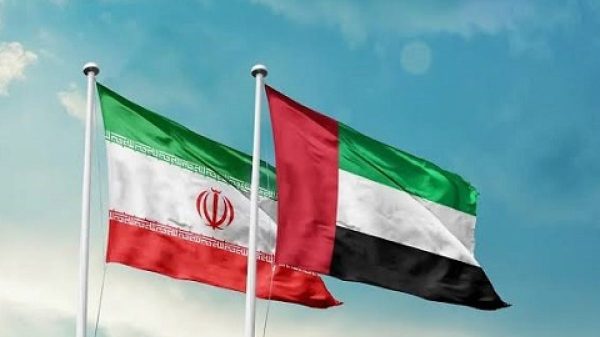
In explaining the broader strategic vision behind the move, the president drew a parallel to Washington’s hardline stance on Iran’s nuclear ambitions, arguing that both scenarios represent proactive measures designed to eliminate major global security threats before they fully materialize. Trump emphasized that his administration views the defense of religious freedom and the protection of targeted religious groups globally as a core component of its foreign policy, signaling that the US remains willing to deploy severe military force to hunt down and dismantle extremist factions wherever they threaten civilian lives.