












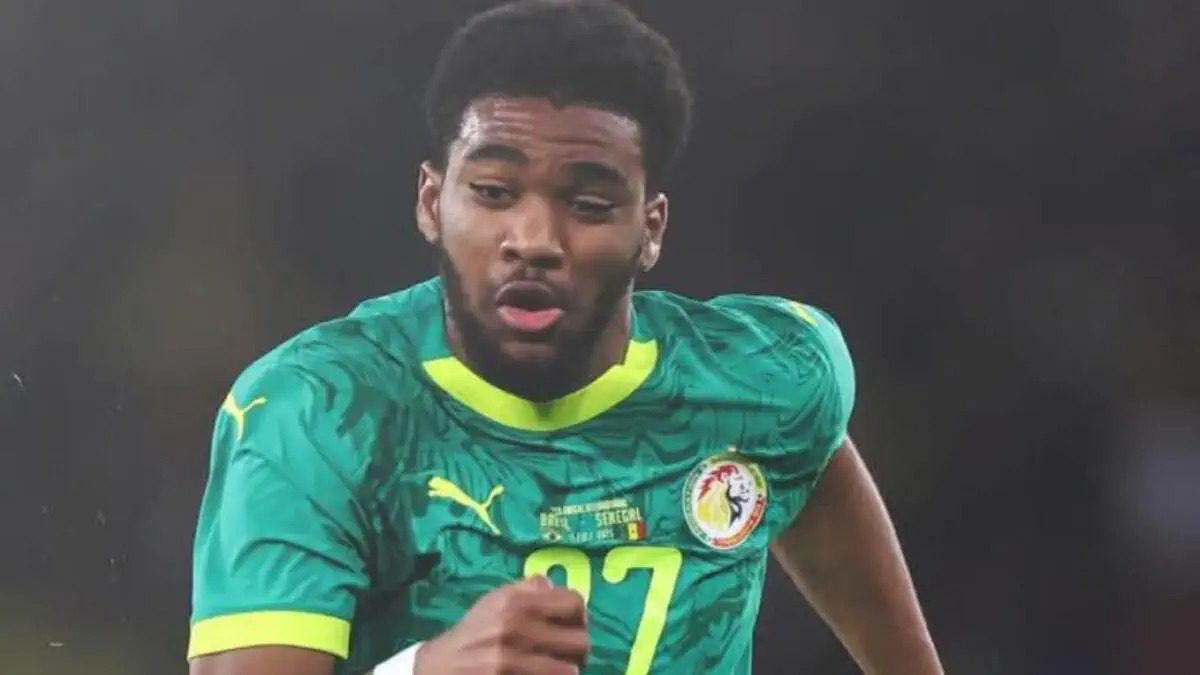
Senegal’s Ibrahim Mbaye carved out a slice of footballing history during the national team’s recent World Cup encounter against Iraq, earning a starting spot that places him within an incredibly exclusive circle of African prodigies. At just 18 years old, the Paris Saint-Germain starlet became one of the youngest players from the continent to ever feature in a World Cup starting lineup, a milestone that underscores his immense potential.
According to data compiled by Opta , Mbaye’s inclusion on the grandest stage of world football invites immediate comparisons to a handful of teenage sensations who came before him. While the young Senegalese forward has captured the spotlight, the history books reveal that Nigeria still holds a dominant and historic grip on this particular milestone.
Nigeria’s legacy of unleashing precocious talent at the World Cup remains unmatched, with two former Super Eagles forwards still commanding the top spots on this elite list. Femi Opabunmi holds the absolute record as the youngest African player to ever start a World Cup match. He was just 17 years and 101 days old when he stepped onto the pitch during the 2002 World Cup, a tournament that served as a major launching pad for exceptionally young African talent.
Remarkably, that same 2002 tournament featured another Nigerian teenage powerhouse. Bartholomew Ogbeche ranks third on the all-time list, having started a World Cup fixture at the age of 17 years and 244 days. The dual presence of Opabunmi and Ogbeche in the same era highlights a golden period of youth development for Nigerian football, proving the country’s willingness to trust its brightest teenagers on the world’s most pressurized stage.
The continent’s rich tradition of early-career excellence isn’t limited to West Africa alone. Legendary Indomitable Lions figures Salomon Olembé and Rigobert Song also feature prominently among the youngest starters, reminding fans of Cameroon’s own history of blooding teenagers early. For Mbaye, joining a company that includes African football royalty like Song and the record-setting Nigerian duo is a testament to his current trajectory and a moment that bridges Africa’s vibrant footballing past with its promising future.