
















African football has just reached a historic milestone on the global stage, with an unprecedented nine out of ten continental representatives locking in their places in the World Cup knockout rounds. This massive breakthrough not only marks a shift in the balance of international football power but also strengthens Africa’s case for greater representation in future tournaments.
The incredible ninety percent success rate comes as a natural evolution following Morocco’s historic semifinal run in Qatar four years ago. For a continent deeply obsessed with the beautiful game, these results offer a massive burst of optimism, especially given how often raw talent on the continent has had to wrestle with administrative bottlenecks and logistical hurdles.
Cape Verde, Egypt, Ivory Coast, Morocco, and South Africa all advanced smoothly as runners-up in their respective groups. Meanwhile, Algeria, Ghana, Senegal, and the Democratic Republic of Congo secured their passage by finishing among the tournament’s eight best third-placed teams. Tunisia’s Carthage Eagles were the lonely exception, failing to make it past the opening hurdle.
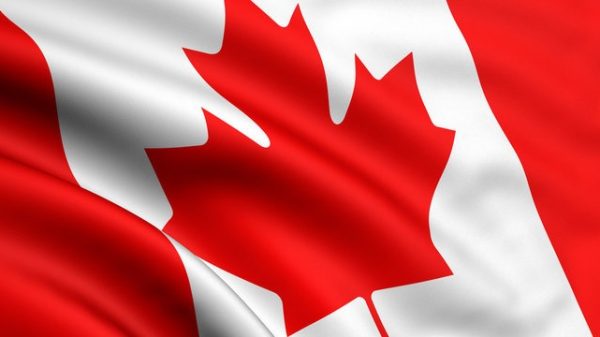
The joy of the collective achievement was only slightly dampened by individual heartbreak for South Africa. Bafana Bafana fought valiantly in Los Angeles but ultimately conceded a painful stoppage-time goal to suffer a narrow one-nil defeat against co-hosts Canada in their Round of 32 clash.
Despite that late slip, the mood across the continent remains overwhelmingly triumphant. Reflecting on the achievement, Democratic Republic of Congo coach Sebastien Desabre expressed immense pride after watching his side pull off a thrilling three-one comeback victory over Uzbekistan to seal their qualification. The Frenchman, who brings fifteen years of coaching experience across various African clubs and national teams, noted that the continent has been quietly putting in the hard work for years. While acknowledging that there is always room for improvement and a need to stay grounded, he emphasized how special it is to be part of this modern era of African football progression.
This sentiment was echoed at the highest level of the continent’s football governing body. Confederation of African Football President Patrice Motsepe released a statement noting that the world-class quality and global competitiveness of African football are finally getting the mainstream recognition they deserve. Motsepe pointed out that the strategic investments made into youth development, coaching education, local professional leagues, and stadium infrastructure across CAF’s fifty-four member associations are finally bearing tangible fruit.
The foundation has clearly been laid, but the job is far from over. If African football leaders want to successfully lobby FIFA for more permanent slots in future World Cups, these nine teams will need to sustain this momentum and keep winning as the knockout brackets heat up across Canada, Mexico, and the United States.