
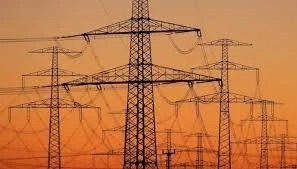





































Gas shortages and falling water levels have reduced electricity generation across Nigeria, leaving households and businesses with fewer hours of power during a period of intense heat.
The Nigerian Independent System Operator (NISO) said the drop in supply was caused by limited gas reaching thermal power stations and lower output from hydroelectric plants due to reduced water inflows into their reservoirs.
With less electricity available on the national grid, distribution companies have had to cut supply hours and increase load shedding. The impact varies by network, depending on the amount of power allocated to each company.
The shortfall comes as high temperatures increase demand for fans, air conditioners and other cooling equipment. Businesses that depend on electricity for refrigeration, water pumping and food preservation may also face added costs as they turn to petrol and diesel generators.
Nigeria relies heavily on gas-fired plants, with hydropower providing another major source of grid electricity. Disruptions to either source can therefore affect the amount of power available to consumers.
NISO said it recognised the strain the reduced supply was placing on consumers. The operator added that it was managing available generation and working to maintain grid stability, while supporting efforts to diversify the energy mix.
The latest shortfall highlights the need to improve gas supply and expand other energy sources to make the electricity system less vulnerable to disruptions.







