

























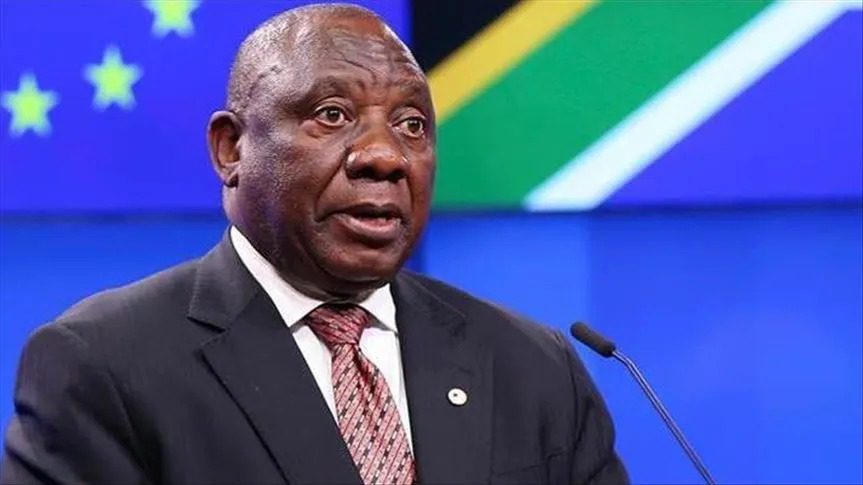
President Cyril Ramaphosa has taken a firm stand against the recent wave of anti-immigrant sentiment sweeping through South Africa, describing the organizers behind these attacks as opportunists. In an open letter released by his office on Monday, the President sought to calm rising tensions and reassure neighboring African nations that have grown increasingly worried about the safety of their citizens living in the country.
Ramaphosa emphasized that there is absolutely no room for xenophobia, ethnic division, or intolerance within the nation. He made it clear that while protests have broken out in several regions, these violent acts do not represent the values of the South African people or the official stance of the government. He argued that certain individuals are merely exploiting the genuine frustrations of the poor under the pretense of community activism.
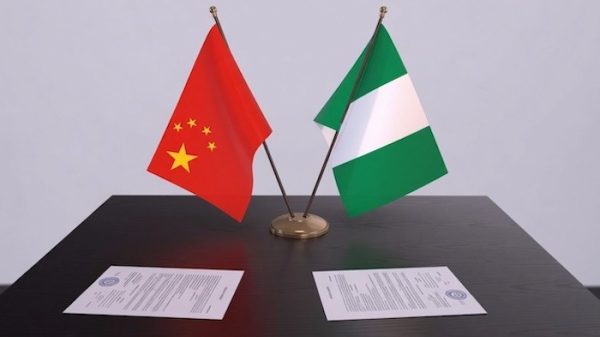
The situation has triggered significant diplomatic friction, with both Nigeria and Ghana voicing serious concerns over the treatment of their nationals. The Nigerian government recently announced plans to repatriate 130 of its citizens and has called for a thorough investigation into the deaths of two Nigerians involving South African security personnel. Similarly, Ghana took the step of summoning South Africa’s envoy to protest the ongoing acts of hostility.
Much of the unrest has centered around demands for stricter action against migrants without valid documentation. Recent demonstrations in Durban saw hundreds of people calling for tighter controls, while other groups have gone as far as suggesting that foreign nationals should be denied access to healthcare services. This surge in anti-migrant rhetoric comes at a sensitive time, as political campaigning intensifies ahead of the local elections scheduled for November.
While condemning the violence, President Ramaphosa acknowledged that the government must deal decisively with the issue of irregular immigration within the boundaries of the law. He noted that undocumented migration places a heavy burden on municipal services, housing, and healthcare, particularly in low-income neighborhoods. Reports also highlight the President’s concern over employers who bypass the law by hiring undocumented foreign labor at low wages instead of employing citizens at legal rates.
As the government works to restore order, the focus remains on balancing national security and social stability without resorting to the lawlessness and discrimination that has characterized recent weeks. The administration is now under pressure to prove that it can manage the complexities of migration while maintaining the pan-African ties that have historically defined South Africa’s foreign policy.