






































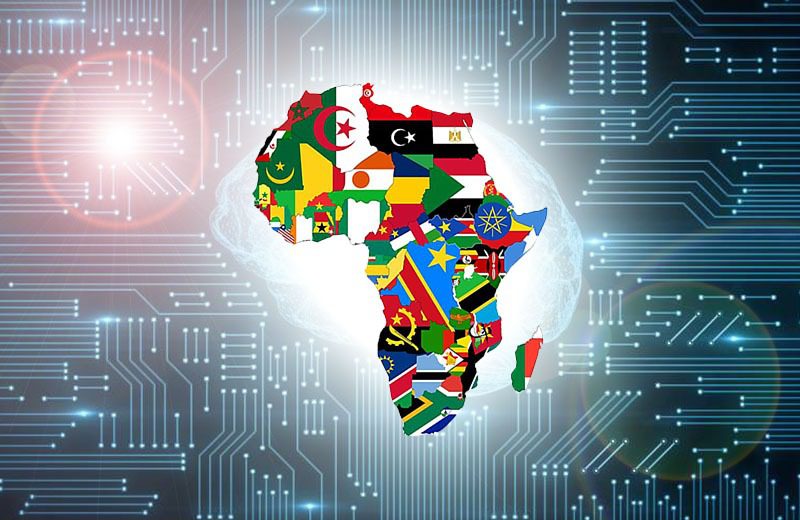
For a long time, the conversation around African data has been dominated by a troubling statistic: nearly 70% of the data generated across the continent is stored on foreign soil. From strategic government records to sensitive corporate information, the reliance on offshore hosting has raised serious red flags regarding both economic drain and national security. While experts have spent years warning about these risks, the shift toward keeping African data within its own borders has felt more like a slow crawl than a digital revolution.
That narrative is finally beginning to change as two major industry players step up to take decisive action. UniCloud Africa (UCA), a leading pan-African sovereign cloud platform, has entered into a strategic partnership with Open Access Data Centres (OADC). This collaboration is designed to fundamentally shift the continent’s digital landscape by ensuring that data residency is no longer just a goal, but a reality for businesses and governments alike.
Under this new arrangement, UniCloud Africa will deploy its high-level sovereign cloud and Artificial Intelligence infrastructure within OADC’s facilities across Nigeria, South Africa, and the Democratic Republic of Congo. This move is part of the “One Cloud, One Africa” strategy, which aims to eliminate the lag and compliance hurdles that often come with using overseas providers. By localized hosting, organizations can now modernize their operations with the peace of mind that they are meeting strict regulatory standards.
The impact of this partnership will be felt immediately in several key markets. In Nigeria, the focus will be on supporting the rapidly expanding fintech and enterprise sectors through OADC’s Lagos campus. Meanwhile, in the DRC, the move will provide much-needed local capacity in Kinshasa to help drive the nation’s digital acceleration. South Africa will also benefit from a resilient network that offers sophisticated disaster recovery solutions.
The leadership of both organizations has emphasized that this is about more than just storage; it is about independence. Dr. Krish Ranganath, CEO of UniCloud Africa, noted that the mission is to provide a foundation for the continent’s economic autonomy. By keeping infrastructure local, clients gain access to lower latency and the ability to pay in local currencies, avoiding the unpredictable costs associated with global giants. Dr. Ayotunde Coker, CEO of OADC, echoed these sentiments, highlighting that localized infrastructure is a critical building block for Africa’s future innovation.
Beyond traditional hosting, the partnership is set to unlock advanced technological capabilities such as GPU-as-a-Service. This allows local organizations to utilize the power of AI, Machine Learning, and Big Data without the financial burden of data egress fees or foreign exchange volatility. By removing these barriers, the collaboration is paving the way for a truly unified and self-sufficient African digital ecosystem.